There was a time when Formula One teams measured success in lap times and podium finishes. Aston Martin, the storied British manufacturer that nearly went bankrupt four times before its current incarnation, has added a new metric: red carpet appearances.
The convergence of motorsport and entertainment reached its apex this weekend at Cannes, where F1 drivers mingled with A-list talent while Brad Pitt's racing epic F1: The Movie sailed past $600 million at the global box office. For Aston Martin, this wasn't coincidence—it was strategy.
The Netflix effect, weaponized
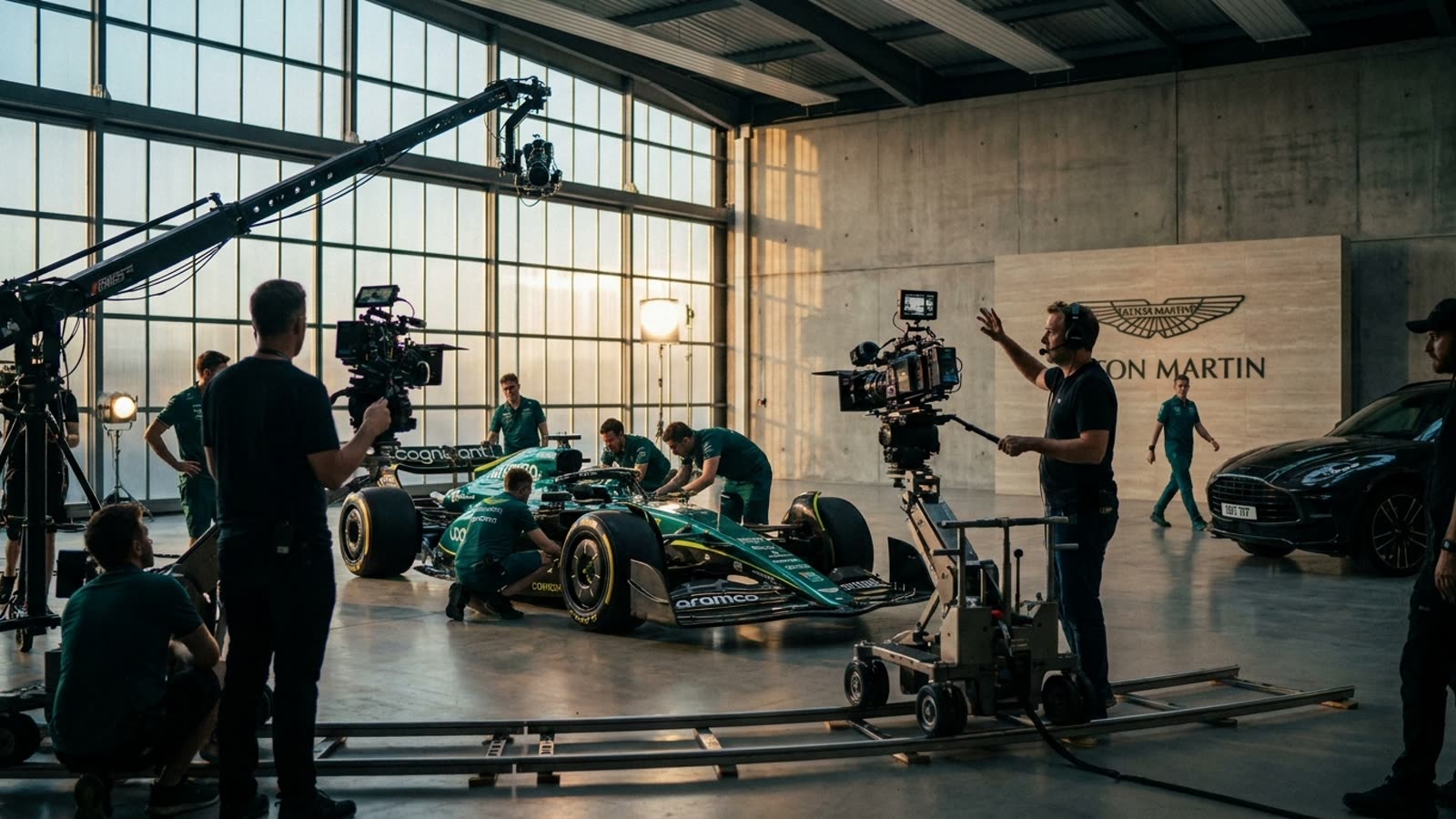
The transformation began with Drive to Survive, Netflix's docuseries that introduced Formula One to American audiences who couldn't tell a DRS zone from a pit lane. But where most teams treated the show as free publicity, Aston Martin saw infrastructure. The team invested heavily in media facilities at its Silverstone headquarters, hired executives from entertainment and luxury brands, and positioned itself as the grid's most camera-ready operation.
Lawrence Stroll, the Canadian billionaire who controls both the F1 team and the Aston Martin automotive company, understood something his competitors missed: in an era of streaming and social media, attention is the scarcest resource. A car that wins on Sunday might sell on Monday, but a car that looks good on Instagram sells every day.
The Pitt effect
F1: The Movie was filmed partially with Aston Martin's cooperation, and the team's distinctive British Racing Green livery features prominently in several sequences. The production embedded cameras in actual race weekends, blurring the line between documentary and fiction in ways that made the sport feel simultaneously accessible and aspirational.
The film's success—it's now the highest-grossing motorsport movie in history—has validated Aston Martin's thesis. Formula One isn't competing with other racing series; it's competing with the Premier League, the Met Gala, and Succession for the attention of wealthy, culturally engaged consumers. The team that grasps this fastest wins a different kind of championship.
The limits of glamour
On track, Aston Martin remains a midfield operation, occasionally threatening podiums but rarely winning races. The gap between its marketing sophistication and its engineering competitiveness is a tension the team acknowledges privately. You can only sell the sizzle for so long before customers start asking about the steak.
But the broader lesson extends beyond one team. Formula One has successfully repositioned itself from niche European motorsport to global entertainment franchise, and the Cannes presence this year—drivers, team principals, and sponsors all working the Croisette—suggests the transformation is permanent. The paddock has become a content studio that occasionally hosts car races.
Our take
Aston Martin's Hollywood strategy is either visionary or a very expensive distraction from the business of going fast. Probably both. The team has correctly identified that modern sports franchises are media companies first and athletic enterprises second, but this insight doesn't change the physics of aerodynamics or the chemistry of tire compounds. Still, in a sport where constructor budgets approach half a billion dollars annually, the ability to attract sponsors through cultural cachet rather than pure performance is a genuine competitive advantage. The question is whether Aston Martin can convert attention into the kind of sustained investment that eventually produces race wins—or whether it becomes the most glamorous also-ran in motorsport history.