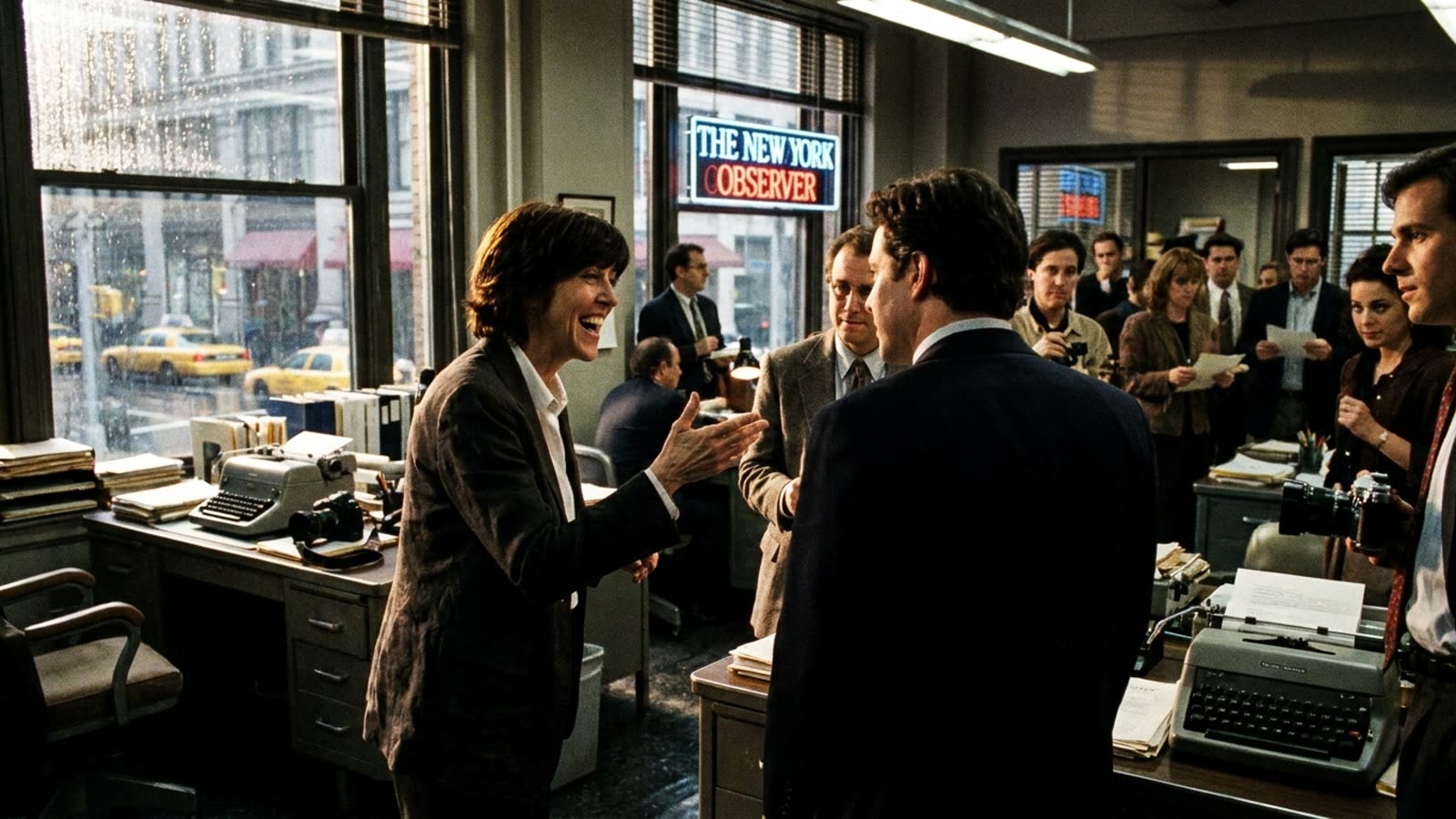
No single item of clothing has been asked to do more ideological work than the white shirt. It has signified purity and rebellion, wealth and austerity, conformity and its opposite. It has been worn by bankers and anarchists, debutantes and factory workers, often in the same decade. The white shirt endures not because it is neutral but because it is infinitely legible — a garment that absorbs meaning rather than projecting it.
This is fashion's great paradox: the pieces that last longest are rarely the most distinctive. They are the ones capacious enough to contain contradiction.
The economics of blankness
The white shirt's democracy is partly material. Cotton is cheap; the cut is forgiving; the color requires no dye. In the nineteenth century, a crisp white shirt was a marker of the leisure class — proof that one could afford to stay clean. By the mid-twentieth century, mass production had inverted the signal. The white shirt became the uniform of the office drone, the man in the gray flannel suit, the interchangeable middle manager. It was aspirational and deadening at once.
What luxury brands discovered, beginning in the 1980s, was that scarcity could be reintroduced through craft. A white shirt from Charvet or Turnbull & Asser might cost thirty times what a department-store version does, yet the difference is invisible to the untrained eye. The premium is legible only to the wearer and the cognoscenti — a form of stealth wealth that has proved remarkably durable.
The semiotics of undone buttons
If the buttoned-up white shirt signified order, the unbuttoned version became shorthand for its refusal. Think of John Travolta in Saturday Night Fever, collar splayed, chest exposed, the disco floor a stage for working-class aspiration. Or Sharon Stone in Basic Instinct, her oversized white oxford a costume of controlled transgression. The shirt remained the same; only the styling changed.
This adaptability explains why the white shirt has outlasted every trend that threatened to kill it. The power suit of the 1980s required it. The grunge movement of the 1990s rejected it, then ironically reclaimed it as thrift-store treasure. The tech-bro uniform of the 2010s — gray tee, jeans, sneakers — was supposed to render it obsolete, yet founders kept reaching for it when they needed to look serious in front of investors.
Our take
The white shirt's longevity is not a mystery; it is a lesson. In a culture addicted to novelty, the garments that survive are those flexible enough to mean different things to different people. The white shirt is a mirror, not a statement. That is why it will still be hanging in closets long after the last trend piece about its demise has been forgotten.