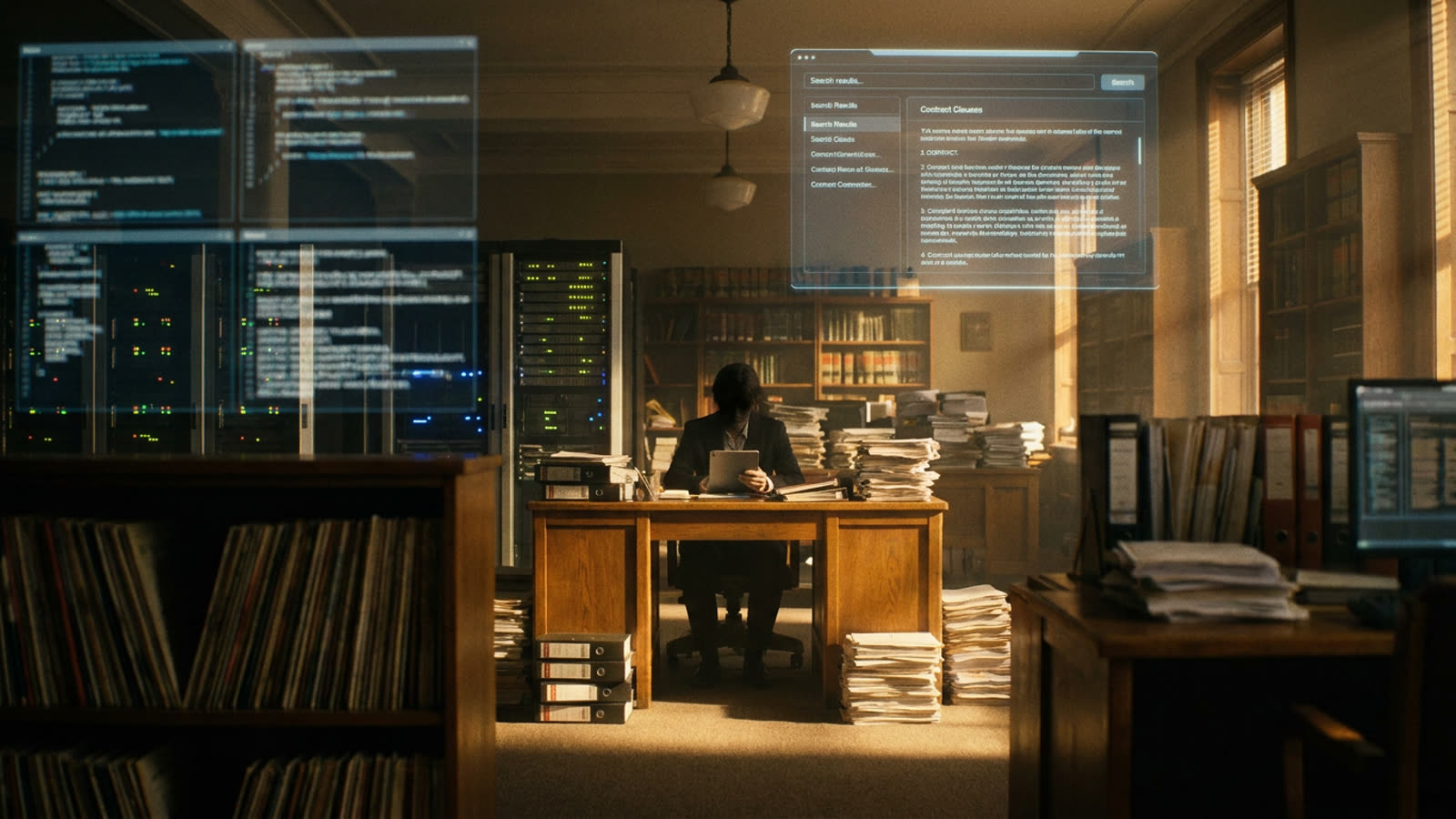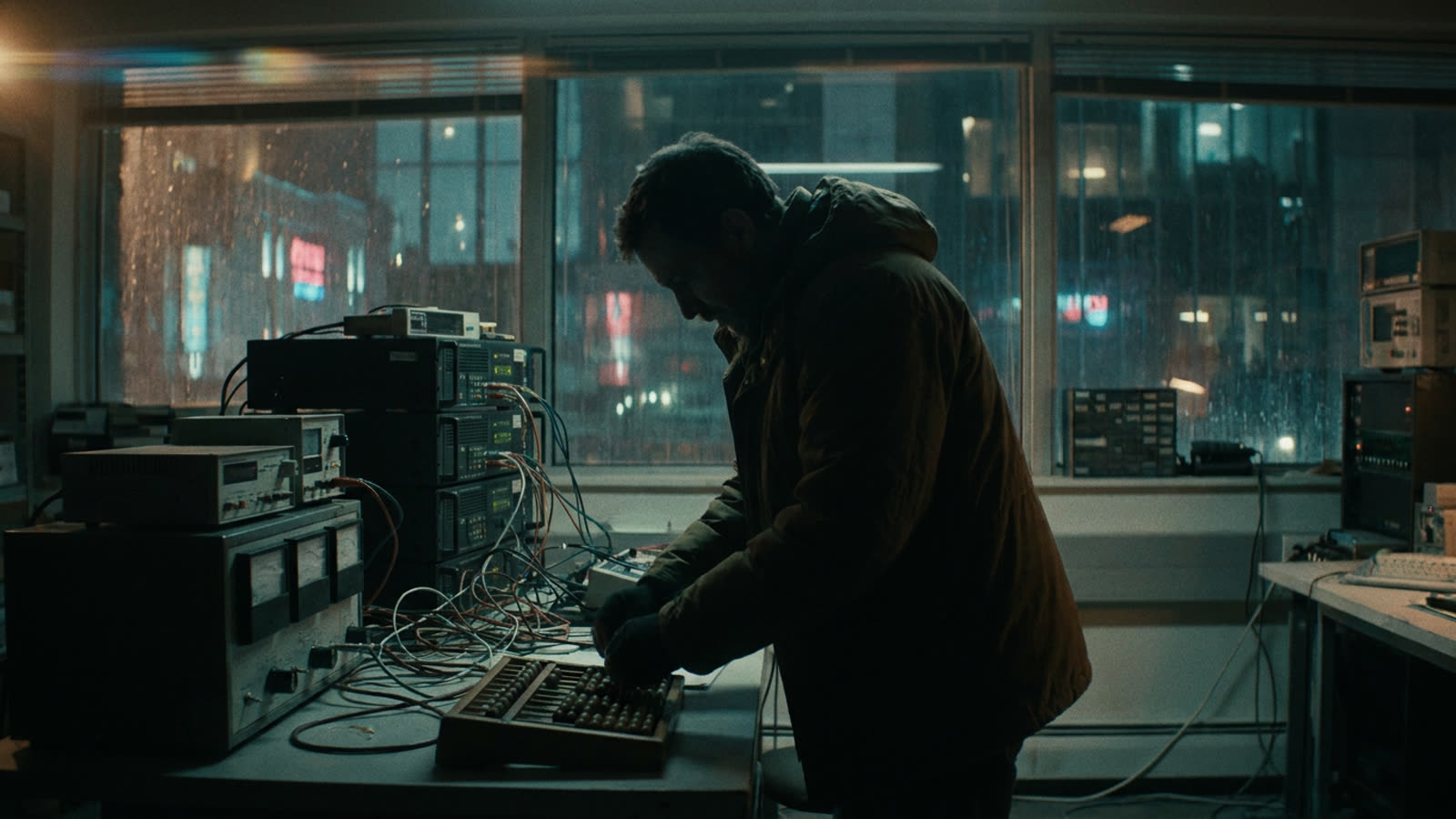
For three centuries, actuaries have been the quiet accountants of death and disaster, the people who put prices on the unpriceable. They emerged in the coffeehouses of eighteenth-century London, where merchants needed someone to calculate whether a ship would return from the Indies, and they evolved into the priesthood of modern insurance, pension funds, and regulatory capital. Their tools were elegant: life tables, probability distributions, the slow accumulation of historical claims data. Their authority rested on being the only people in the room who truly understood the mathematics of uncertainty.
That monopoly is dissolving. Machine learning systems now ingest vastly more variables than any human actuary could process—satellite imagery of rooftops for property insurance, telematics data from vehicles, even social-media patterns that correlate with health outcomes. The models that result are often more accurate than traditional actuarial tables, but they are also more opaque. The actuary's role is shifting from builder of models to auditor of machines.
The automation that wasn't
The obvious prediction was that AI would simply replace actuaries. It has not happened, and the reasons are instructive. Insurance is one of the most heavily regulated industries on earth. Regulators in most jurisdictions require that pricing decisions be explainable and defensible in court. A neural network that denies a claim or raises a premium must be accompanied by a human who can articulate why. This is not a technical requirement but a political one: societies have decided that consequential decisions about money and risk cannot be delegated entirely to black boxes.
The result is that actuarial employment has remained stable even as the work has transformed. Practitioners spend less time building spreadsheets and more time interrogating algorithmic outputs, testing for bias, and translating machine recommendations into language that satisfies regulators and boards. The job has become, in essence, a form of AI governance.
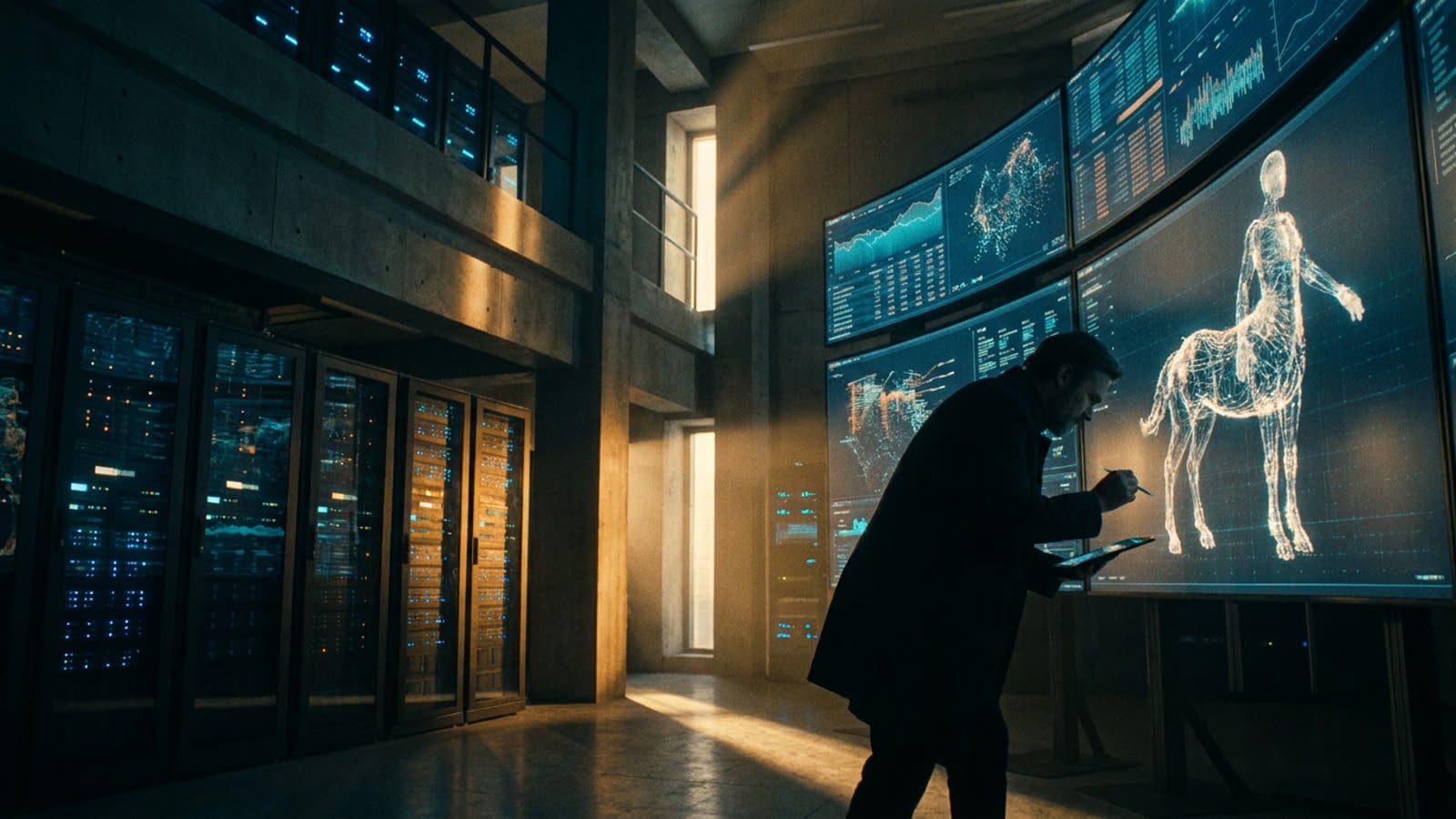
The centaur model
Chess players coined the term "centaur" for human-machine teams that outperform either alone. Actuarial work is converging on this model. The machine handles pattern recognition across millions of data points; the human handles judgment calls about which patterns are ethically acceptable, legally defensible, and commercially sensible. A model might discover that residents of certain postal codes file more claims, but the actuary must decide whether using that variable constitutes illegal discrimination.
This division of labor is uncomfortable for a profession that prided itself on technical mastery. Younger actuaries increasingly need skills in data science, regulatory interpretation, and ethical reasoning that were not part of traditional credentialing. The professional bodies are scrambling to update syllabi, but the gap between examination content and job requirements is widening.
Our take
The actuarial profession is a useful bellwether for how AI reshapes expert work more broadly. The machines are not replacing the experts; they are demoting them from oracles to supervisors. The humans who thrive will be those who accept that their value lies not in computation but in accountability—the willingness to sign their names to decisions that algorithms cannot defend in a hearing room. It is a humbler role, but perhaps a more honest one. The actuary of the future will be less a mathematician and more a translator, fluent in the language of both probability and public trust.