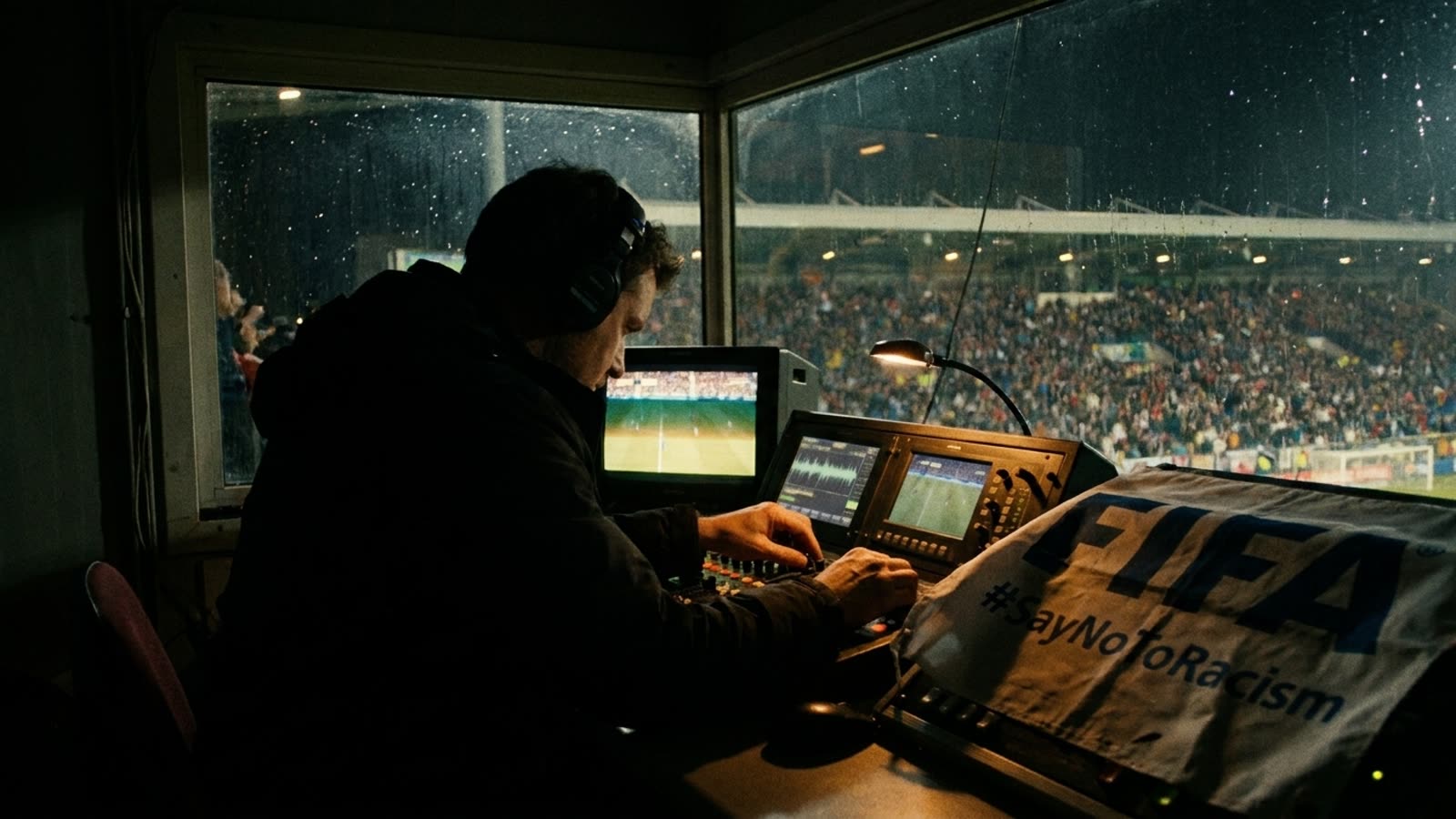
The 2026 World Cup has delivered spectacular football, controversial officiating, and diplomatic theater involving heads of state. It has also surfaced something uglier: a pattern of racist commentary about Black players that is finally receiving institutional scrutiny rather than the usual cycle of outrage and amnesia.
The issue crystallized during the group stages when several incidents—ranging from coded language about "physicality" and "raw athleticism" to more explicit slurs captured on regional broadcasts—prompted formal complaints to FIFA's anti-discrimination task force. Unlike previous tournaments, where such complaints disappeared into bureaucratic limbo, the governing body has announced it is actively investigating multiple broadcast partners and has threatened credential revocations.
The language of diminishment
The commentary in question follows a depressingly familiar script. Black players are described in terms that emphasize physical attributes while their white counterparts receive praise for intelligence, vision, and tactical awareness. A midfielder's reading of the game becomes "instinct"; a striker's positioning becomes "predatory." The vocabulary is rarely overtly hateful, which is precisely what has allowed it to persist.
Broadcasters in at least four countries have faced formal complaints, according to sources familiar with the FIFA review. The incidents span multiple continents, suggesting the problem is neither regional nor easily attributed to a few bad actors. Players' unions from several participating nations have issued joint statements demanding accountability, marking an unusual level of coordinated pressure.
Why this tournament is different
Two factors distinguish 2026 from previous World Cups. First, the tournament's North American host nations have domestic histories that make racial discourse unavoidable—the United States in particular cannot plausibly treat racism as someone else's problem. Second, social media monitoring has become sophisticated enough to surface and archive incidents that might previously have aired once and vanished.
FIFA's response, while still tentative, represents a departure from its historical preference for vague condemnations and symbolic gestures. The threat of credential revocation carries actual teeth; broadcast rights are worth billions, and networks cannot afford to lose access over the conduct of individual commentators. Whether FIFA follows through will determine whether this moment produces lasting change or becomes another forgotten controversy.
Our take
The beautiful game has never been particularly beautiful when it comes to race. What's new is that the excuses are running out. Technology preserves every slur, players have platforms to respond, and sponsors increasingly view association with racism as a balance-sheet liability. FIFA's investigation may prove toothless, but the fact that it exists at all suggests the cost-benefit calculation is shifting. The tournament will crown a champion in two weeks. Whether it also marks a turning point in how football talks about its Black players depends entirely on whether anyone with power decides the status quo is finally too expensive to maintain.