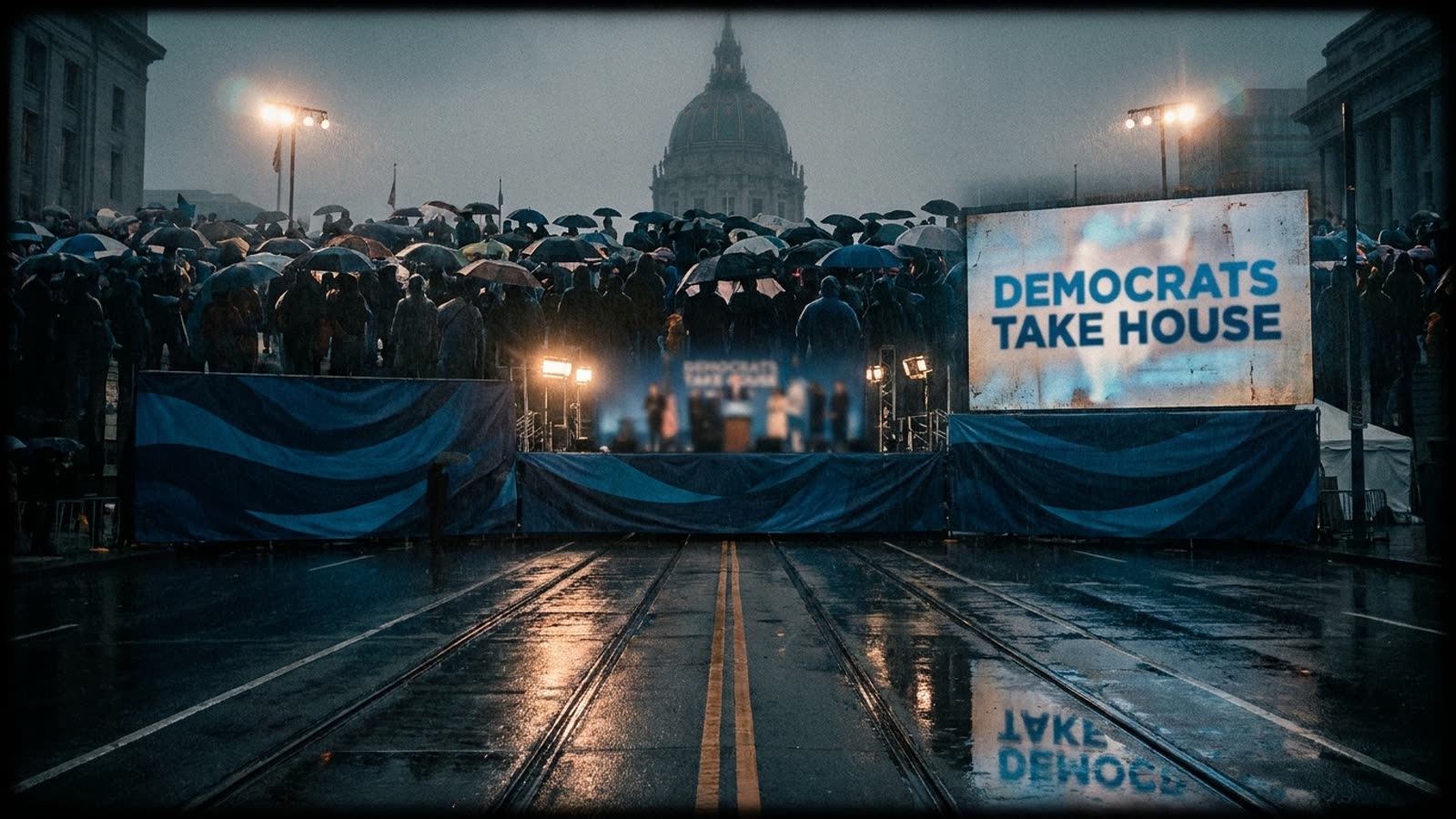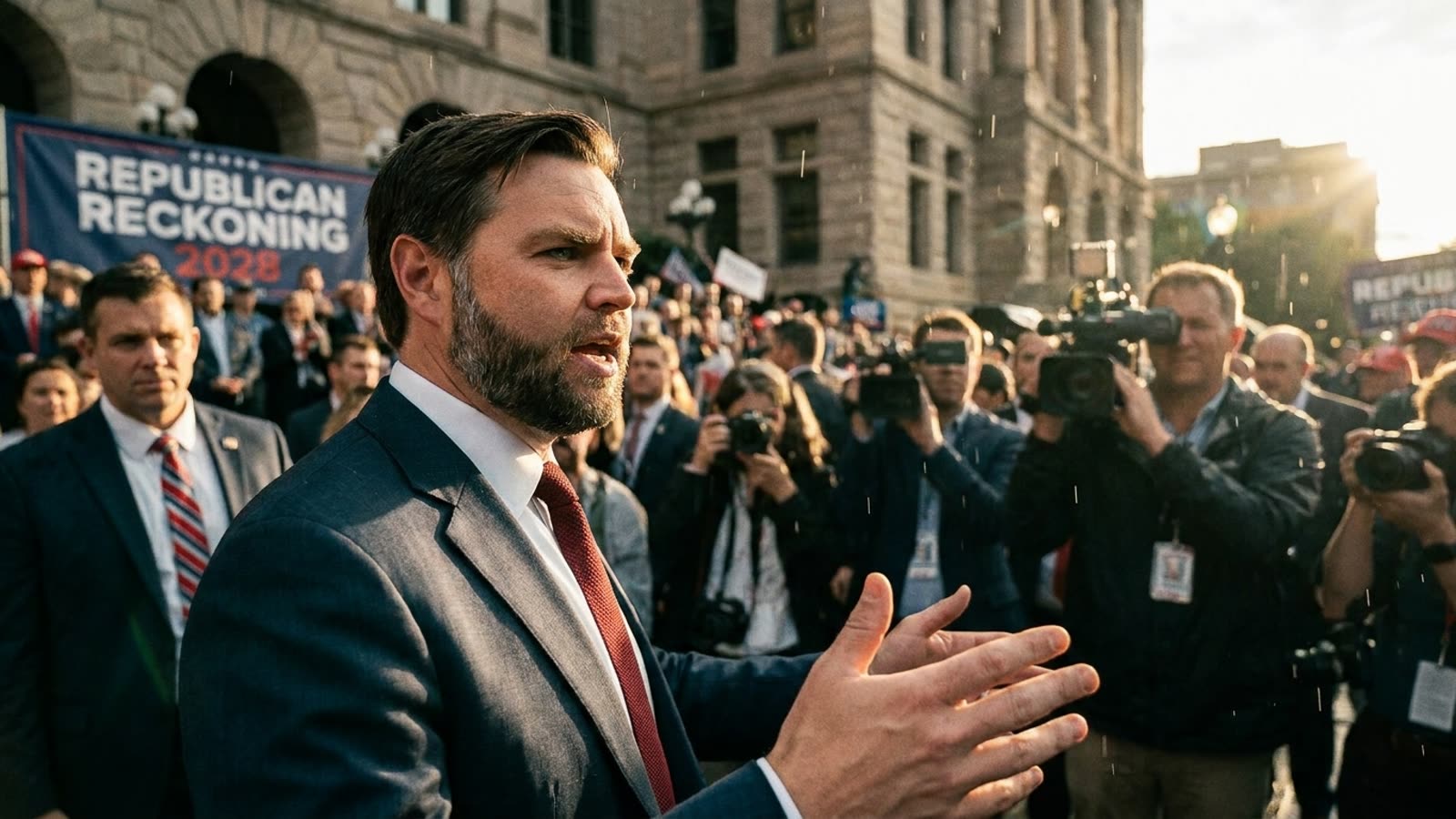
Less than twenty-four hours after Republicans suffered their worst midterm defeat in modern memory, Vice President JD Vance did something no one in Trump's orbit has dared to do: he assigned blame, and he pointed it squarely at the president's signature foreign policy.
In a social media post that read more like an opposition research memo than a statement of party unity, Vance argued that the Iran war—not inflation, not immigration, not Democratic turnout operations—was the "real reason" voters delivered a historic rebuke. The message was unmistakable: I told you so, and I'm not going down with this ship.
The anatomy of a defection
Vance's critique is notable not for its substance—plenty of Republican strategists have privately blamed the war for months—but for its timing and its author. Vice presidents do not publicly contradict sitting presidents the morning after electoral humiliation. They issue anodyne statements about "listening to voters" and "recalibrating our message." They do not, as a rule, launch what amounts to a pre-campaign manifesto while the ballots are still being counted in Arizona.
Trump's response was characteristically oblique. Speaking to reporters in the White House ballroom—where he spent a surreal twenty minutes praising the chandeliers and crown molding rather than addressing the Democratic sweep—he conceded only that Vance's assessment was "largely true." The admission was buried beneath rambling complaints about voter ingratitude and insistence that Republicans would have won if he had been on the ballot himself.
The 2028 shadow primary begins
Vance's calculation is transparent: the Republican Party will need someone to blame for the wreckage of 2026, and he intends to make sure it is not him. By staking out an anti-war position now, he positions himself as the prescient skeptic who warned against overreach—a useful narrative for a primary electorate that may be exhausted by forever wars and looking for a fresh face.
The gamble carries risk. Trump remains the dominant figure in Republican politics, and open defiance could invite retaliation. But Vance appears to have concluded that the president's grip is weakening, that the midterm results have exposed a vulnerability that ambitious successors can exploit. He may be right. The blue wave that swept statehouses from Wisconsin to Nevada suggests a party in deeper trouble than any single policy can explain.
Our take
Vance's break is less an act of courage than one of positioning—he is reading the same polls everyone else is and drawing the obvious conclusion. But the fact that he felt safe enough to say it aloud tells us something important: the Trump era's omertà is cracking. Whether that leads to genuine ideological renewal or merely a reshuffling of loyalties remains to be seen. For now, the vice president has made one thing clear: he is running, and he is running against the last four years.