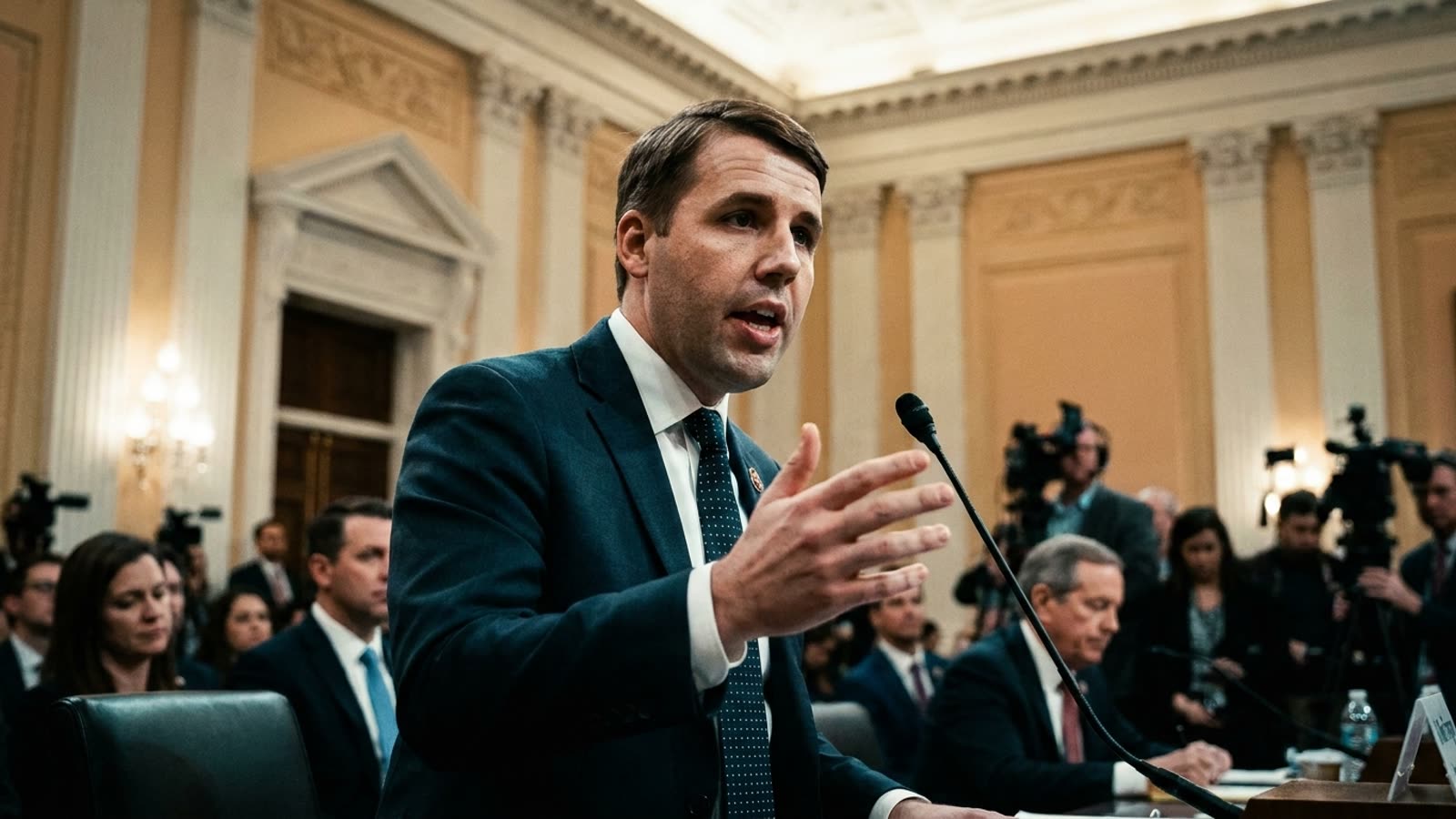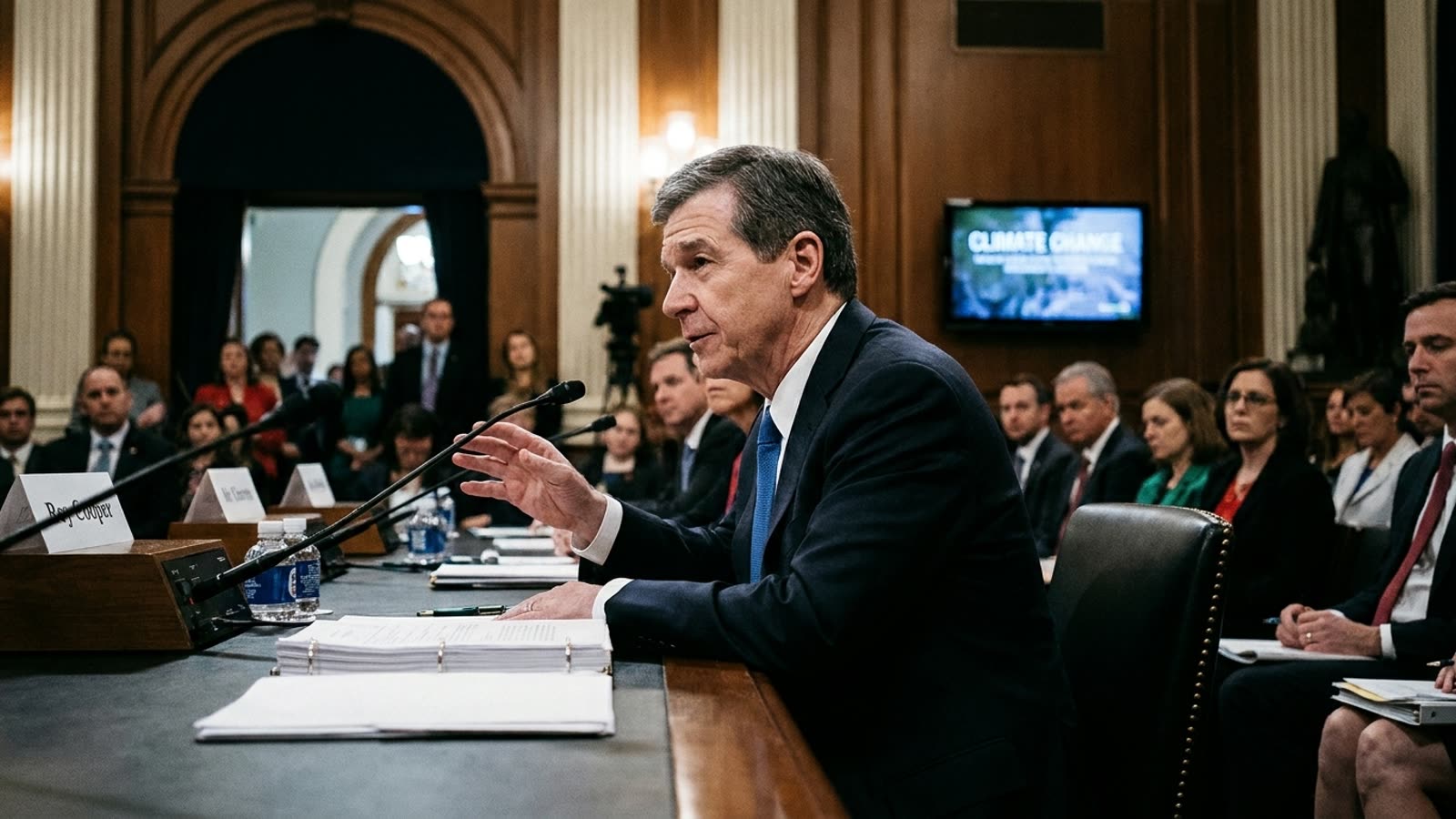
The 2026 midterms were always going to be a referendum on Donald Trump. What nobody anticipated was that they would also function as a casting call for the Democratic Party's future leadership. In flipping at least seven Senate seats and reclaiming the House with unexpected ease, Democrats did not merely punish a weakened president—they installed a generation of lawmakers whose biographies, ideologies, and ambitions could hardly be more different from one another.
The new class includes a former emergency-room physician from the Rust Belt, a prosecutor who built her career dismantling corporate fraud in the Sun Belt, and a small-town mayor who speaks fluent Mandarin and won in a state that voted for Trump twice. They share little beyond timing and a "D" next to their names. That ideological heterogeneity is precisely what makes the cohort so consequential: the internal negotiations among these freshmen will determine whether the party tacks toward economic populism, technocratic centrism, or some hybrid not yet named.
The geography of opportunity
The map that emerged Wednesday morning would have seemed hallucinatory four years ago. Democrats captured Senate seats in Texas, South Carolina, Ohio, Iowa, Kansas, North Carolina, and Michigan—states that, collectively, represent the full spectrum of American political culture. The breadth of the victory suggests that anti-Trump sentiment was not confined to coastal enclaves or college towns; it penetrated exurban precincts and rural counties where Republicans had grown complacent.
Crucially, the winners did not run identical campaigns. In Texas, the Democratic nominee leaned hard into reproductive rights and border pragmatism. In Kansas, the victor emphasized agricultural economics and a return to "Eisenhower Republicanism." The lesson for party strategists is both liberating and terrifying: there is no single formula, only a menu of regional dialects that must be spoken fluently.
The Senate's new center of gravity
With a likely 53-47 majority, Senate Democrats will enjoy a cushion they have not possessed since 2009. That breathing room empowers the incoming freshmen to vote their districts without jeopardizing major legislation—a luxury that could accelerate their rise within the caucus. Committee assignments, still weeks away, will offer the first clues about which newcomers Chuck Schumer views as future leaders and which he intends to keep on a short leash.
The wildcard is the lame-duck session. Trump retains executive authority until January 2029, and a humiliated president with nothing left to lose is not a predictable actor. The new senators will be sworn in on January 3, 2027, but the political reality they inherit will be shaped by whatever Trump does—or does not do—in the intervening weeks.
Our take
Wave elections are clarifying events, but they are not destiny. The Democrats who won on Tuesday night did so by assembling coalitions that may not survive a less chaotic political environment. Their challenge now is to convert a protest vote into a durable governing majority—a task that has eluded the party repeatedly over the past two decades. If this cohort can resist the gravitational pull of Twitter-friendly purity tests and instead focus on the mundane work of delivering results, they may yet become the generation that finally buries Trumpism. If they cannot, they will be remembered as a footnote to a fever that never quite broke.