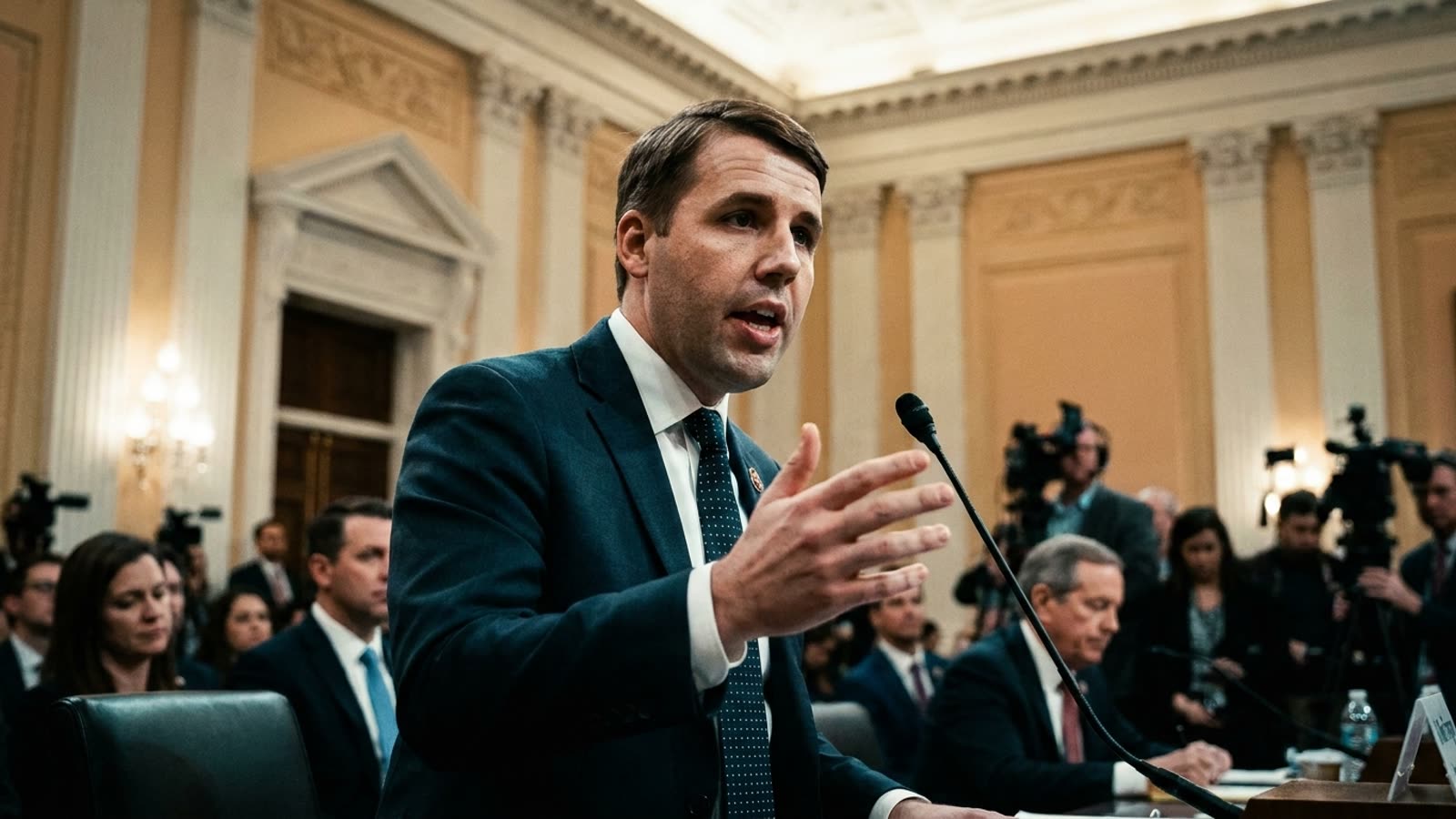
The United States Senate, that most glacial of institutions, has at last elected an openly gay man to its ranks. Chris Pappas, the Democratic congressman from New Hampshire's first district, defeated Republican John Sununu on Tuesday night to flip a seat that had been held by the GOP and, in doing so, became something the upper chamber has never had in its 237-year history.
The milestone lands with a curious mix of triumph and tardiness. Tammy Baldwin of Wisconsin became the first openly gay senator in 2012. Kyrsten Sinema, the Arizona independent, is openly bisexual. The House has seated openly gay members since Barney Frank came out in 1987. Yet the Senate's male membership remained, until now, a heterosexual preserve — or at least one where no man had felt the political calculus favored disclosure.
The Sununu factor
Pappas ran less on identity than on insulation. His campaign positioned him as a bulwark against the Trump administration's second-term agenda, hammering Sununu — son of a former governor and brother of the current one — as too close to a White House that has made LGBTQ+ rights a target. Sununu, for his part, tried to run as a moderate in the mold of his family's brand of New England Republicanism, but the national party's rightward drift made that posture increasingly untenable. New Hampshire, a state that prizes its contrarian streak, ultimately decided that Pappas's four terms of constituent service mattered more than Sununu's pedigree.
A belated arrival
That Pappas's sexuality was not the central issue of the race is itself a marker of progress — and of how far behind the Senate has lagged. Polling consistently shows that Americans, even in swing states, have grown comfortable with gay elected officials. The question is why the Senate took so long. Part of the answer is structural: only a third of seats turn over every two years, and incumbency is a powerful narcotic. Part is cultural: the Senate's clubby atmosphere and older median age have made it slower to reflect demographic shifts. Pappas, at 46, will lower that median slightly and change its composition more significantly.
What it means for the chamber
Pappas joins a Democratic caucus that is clawing back toward a majority after two bruising years in the minority. His win in New Hampshire is one of several flips the party needed, and it strengthens the hand of those who argue that moderate, pragmatic candidates can still win in purple states. For LGBTQ+ advocacy groups, the symbolism is potent: a vote on marriage equality or anti-discrimination legislation will now include a man who has a personal stake in the outcome. Whether that changes any Republican minds is another matter.
Our take
History rarely arrives on schedule, and Pappas's election is both overdue and welcome. The Senate will not be transformed by the presence of one openly gay man, but institutions change incrementally, and representation matters in ways that are hard to quantify but easy to feel. Pappas did not run as a symbol; he ran as a congressman who wanted a promotion. That he can be both — a workaday legislator and a first — is the quiet victory inside the louder one.