The Trump administration has begun discussing with Moscow the possibility of renewed business ties for American oil companies in Russia as part of a broader effort to entice Vladimir Putin into substantive Ukraine peace negotiations. The proposal, first reported by the Financial Times, represents the starkest acknowledgment yet that Washington believes economic carrots—not just military pressure—may be required to end Europe's largest land war since 1945.
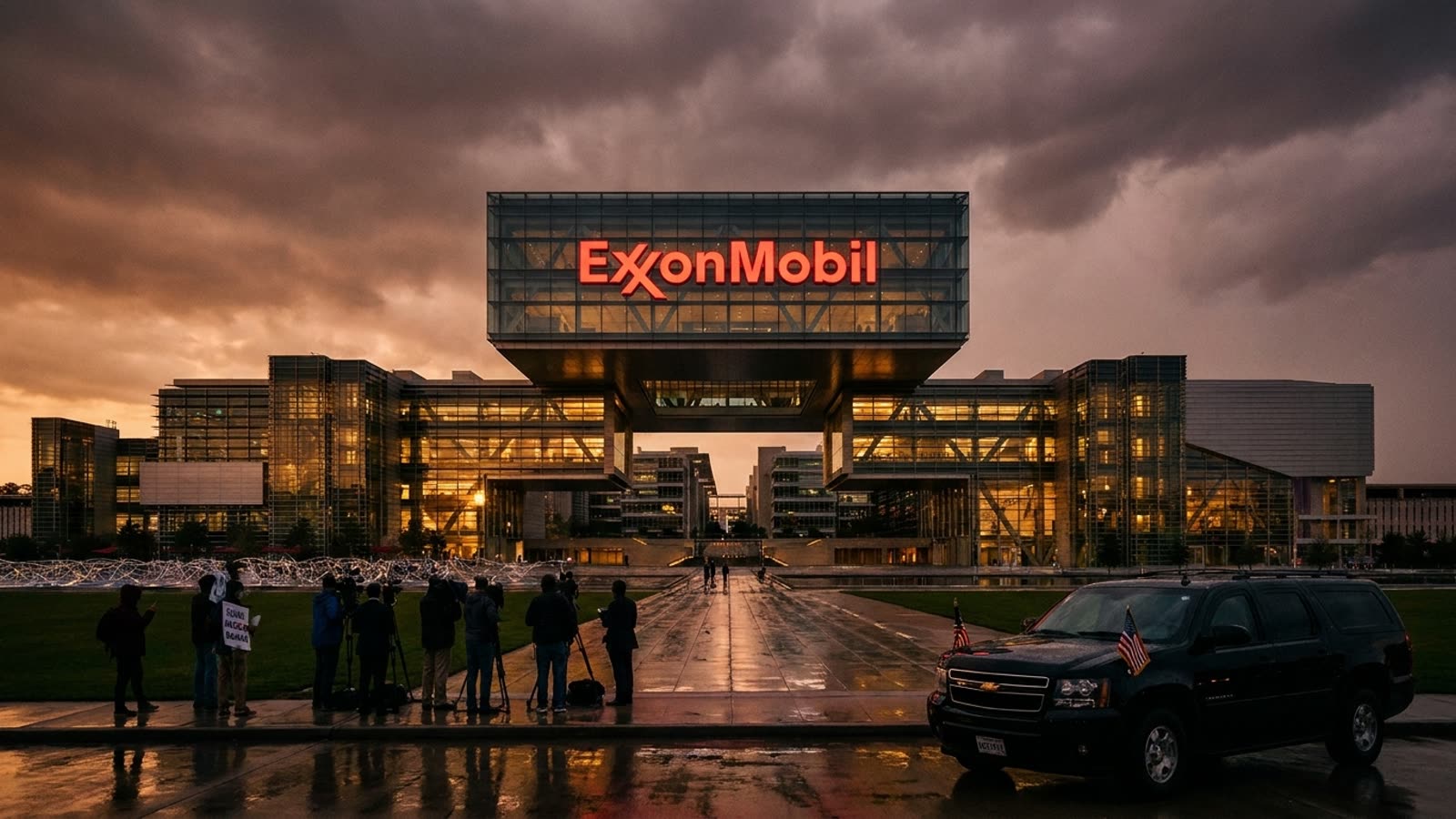
The logic is straightforward, if morally queasy: ExxonMobil, Chevron, and other US majors exited Russia under duress after the 2022 invasion, abandoning billions in sunk capital. Offering them a path back would give Putin something tangible to show domestic elites while creating a constituency inside the American business establishment for a negotiated settlement. It is, in essence, a bet that shareholder value can do what artillery has not.
The corporate calculus
For the oil majors, the proposition is less straightforward than it appears. Russia's upstream assets remain attractive—vast reserves, low extraction costs, proximity to Asian demand—but the reputational and legal hazards have only compounded since 2022. European partners would balk; ESG-conscious institutional investors would revolt; and any deal would require either the lifting of sanctions or elaborate carve-outs that Congress may refuse to authorize. Executives privately describe the overture as "interesting but radioactive," according to people familiar with industry sentiment.
Yet the mere fact that Washington is floating the idea signals a shift in leverage. The administration appears to believe that Putin, squeezed by a grinding war and secondary sanctions on Russia's shadow oil fleet, may be more receptive to a grand bargain than at any point since the invasion began. Whether that assessment is accurate or wishful thinking remains the trillion-dollar question.
Allied discomfort
European capitals are watching with a mix of alarm and resignation. The EU has spent four years weaning itself off Russian hydrocarbons at enormous fiscal cost; the spectacle of American companies re-entering the market would feel like a betrayal, even if Brussels has no formal veto. Kyiv, meanwhile, has not been consulted on the specifics and is unlikely to welcome any framework that rewards Russian aggression with commercial normalization.
The timing is also notable. With Israel's election dominating headlines and the UK budget consuming Westminster, the administration may be testing the waters while attention is elsewhere—a classic Washington trial balloon designed to gauge blowback before committing.
Our take
This is transactional diplomacy in its purest, most unsentimental form. Whether it leads to a durable peace or merely enriches a handful of Houston boardrooms depends entirely on execution—and on whether Putin views the offer as a genuine off-ramp or simply another data point in his assessment of Western resolve. History suggests skepticism is warranted, but history also suggests that wars end when someone decides they'd rather make money than bleed.