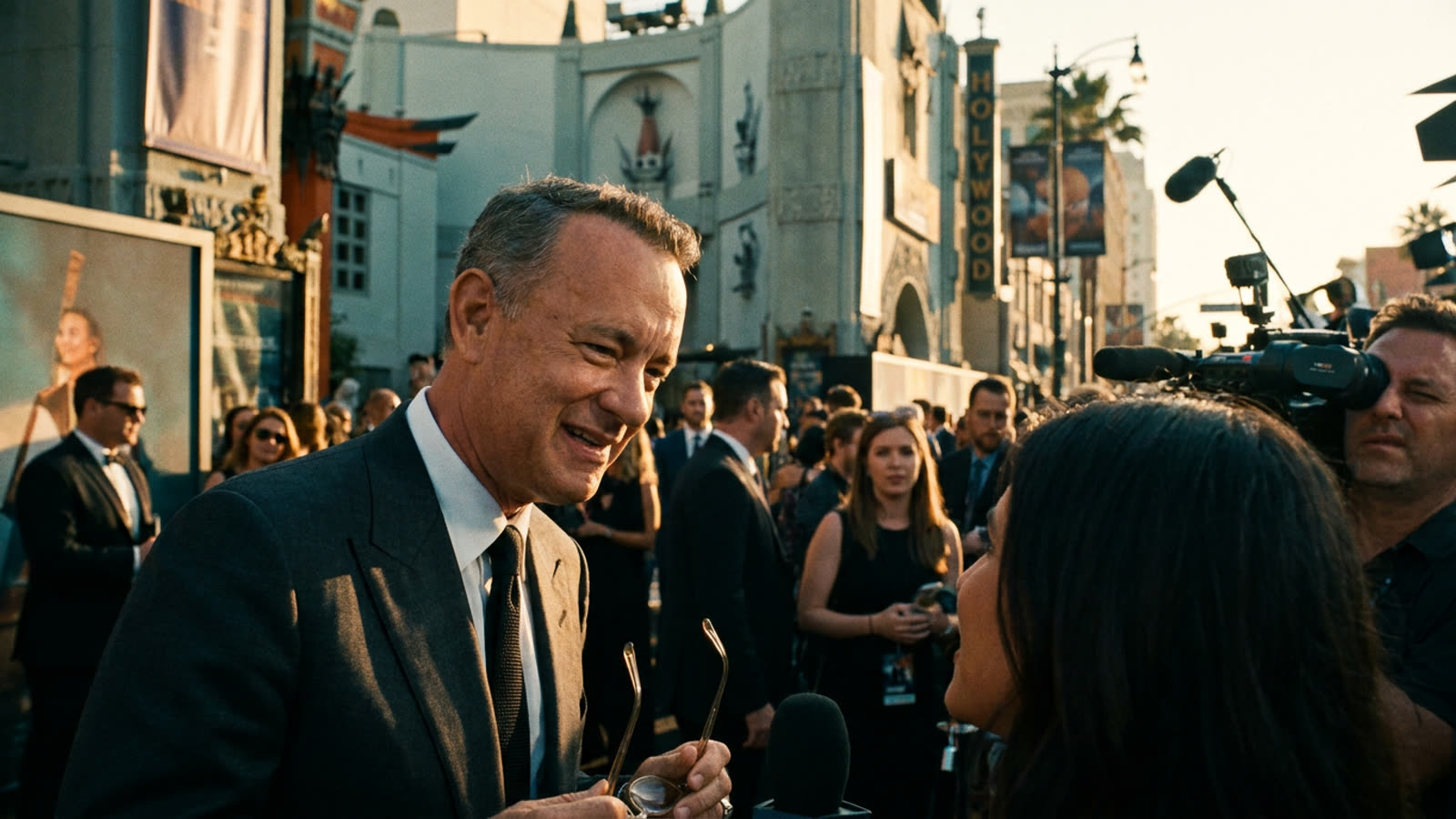
Tyler Perry, the entertainment polymath who built a billion-dollar empire from Madea and owns the largest film studio in America, now faces a sexual assault lawsuit from a former assistant — and his response has been swift, forceful, and notably familiar.
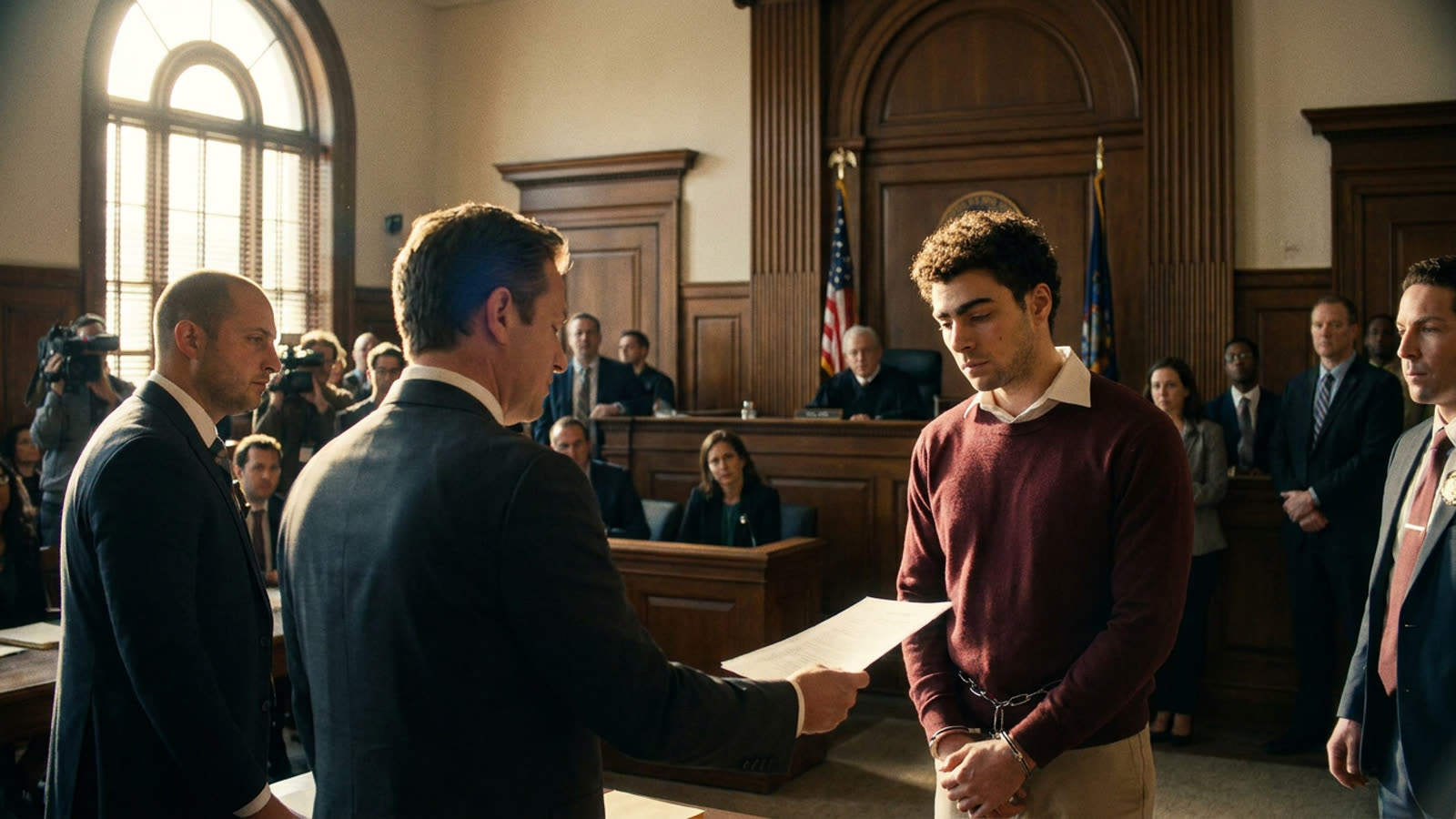
The accuser, whose allegations detail incidents purportedly occurring during his employment at Perry's Atlanta-based studio complex, has filed suit seeking damages. Perry's camp has already moved to discredit the claims, characterizing them as financially motivated fabrications. The defense posture is aggressive: not merely denial, but active counter-narrative construction.
The Perry paradox
Perry occupies a peculiar position in American entertainment. He built Tyler Perry Studios into a 330-acre behemoth — larger than Warner Bros., Paramount, and Disney's Burbank lots combined — largely by serving Black audiences that Hollywood historically ignored. His creative output draws criticism from cultural commentators who find his work retrograde, yet his business acumen is beyond dispute. He employs thousands, has given generously to charitable causes, and maintained a reputation as a demanding but fair employer.
That reputation now faces its most serious test. Sexual assault allegations against powerful entertainment figures have, since 2017, followed a grim pattern: initial denial, character attacks on accusers, eventual revelation of additional complainants, and — in some cases — criminal prosecution. Perry's immediate pivot to questioning his accuser's motives fits the early stages of this template uncomfortably well.
What the response tells us
The speed and tenor of Perry's counter-messaging suggests a legal and PR apparatus prepared for exactly this scenario. Whether that preparation reflects prudent crisis management or something more troubling remains unclear. What is clear: Perry understands that in the court of public opinion, the first narrative often sticks.
The entertainment industry's post-#MeToo reckoning has been uneven. Some accused figures have seen careers destroyed; others have quietly returned to work. The determining factors often have less to do with the substance of allegations than with the accused's cultural capital and the accuser's access to sympathetic media coverage. Perry, with his devoted audience and carefully cultivated image as a self-made success story, possesses considerable reserves of both.
Our take
We do not know what happened between Tyler Perry and his accuser. We do know that powerful men denying allegations while attacking accusers' credibility is not, by itself, evidence of guilt — but neither is it exculpatory. The pattern is simply too familiar to ignore. Perry has earned the presumption of innocence that any defendant deserves. He has not earned the presumption that his accuser is lying. The legal process will determine facts; the cultural conversation will determine what those facts mean for an industry still grappling with its tolerance for predation among the powerful.