The trajectory of a television heartthrob rarely includes a credible musical reinvention, yet John Schneider has managed precisely that—and most people haven't noticed.
The actor, now 64, became a household name in 1979 as Bo Duke, the blonde half of the cousin duo who spent seven seasons outrunning Sheriff Rosco P. Coltrane in a souped-up Dodge Charger. The role made him famous; it also, for decades, made him difficult to take seriously as anything else. But Schneider has spent the better part of two decades building a parallel career in country music that deserves recognition on its own merits—not as a celebrity vanity project, but as genuine Nashville output.
The long road from Hazzard County
Schneider's musical ambitions predate his acting career. He moved to Atlanta as a teenager hoping to break into country music, and only auditioned for The Dukes of Hazzard to pay rent. The show's success created a familiar trap: he became too famous as Bo Duke to be seen as anything else. His early albums in the 1980s charted respectably—"I've Been Around Enough to Know" hit number one in 1984—but were inevitably framed as actor-does-music novelty.
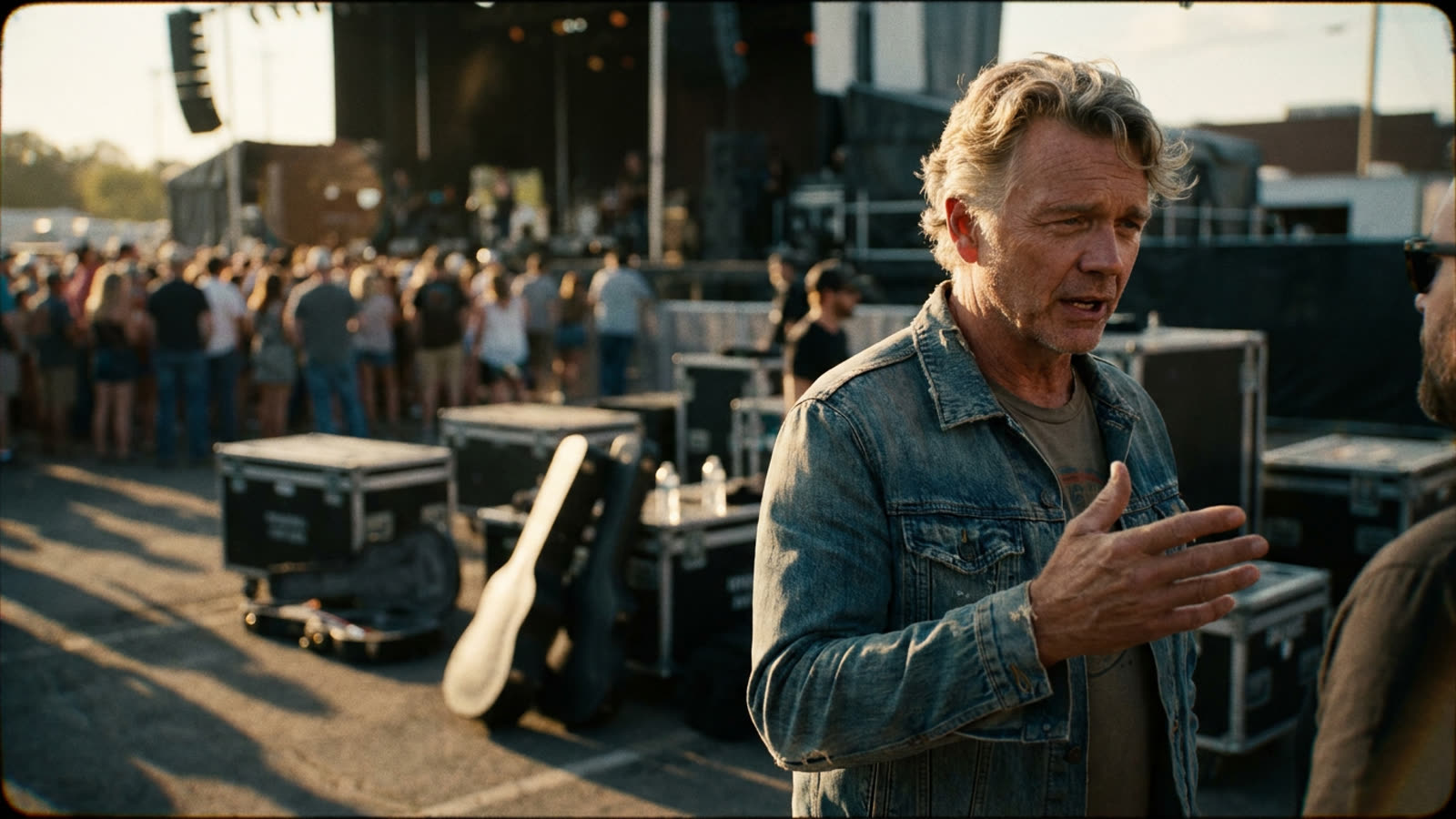
The real pivot came after the show's cultural relevance faded and Schneider stopped chasing Hollywood's approval. He founded his own production studio in Louisiana, began releasing music independently, and gradually built a following among country traditionalists who appreciated his baritone and his willingness to record outside Nashville's commercial machinery.
Why the second act works
What distinguishes Schneider's musical output from typical celebrity side projects is volume and consistency. He has released more than a dozen studio albums, collaborated with respected Nashville songwriters, and maintained a touring schedule that would exhaust artists half his age. His recent work leans into outlaw country and Americana—genres that reward authenticity over polish.
The music itself is competent, occasionally better than competent. Schneider's voice has aged into a weathered instrument well-suited to songs about regret, resilience, and rural identity. He writes or co-writes much of his material, and his production choices favor live instrumentation over the slick digital sheen that dominates mainstream country radio.
Our take
Schneider's career offers a quiet rebuke to the assumption that television fame is a dead end. He could have spent the past four decades cashing convention appearance checks and filming Hallmark movies—and he has done some of that—but he also built something real in a genre that doesn't suffer pretenders gladly. The Dukes of Hazzard will always be the first line of his obituary. It shouldn't be the only one.