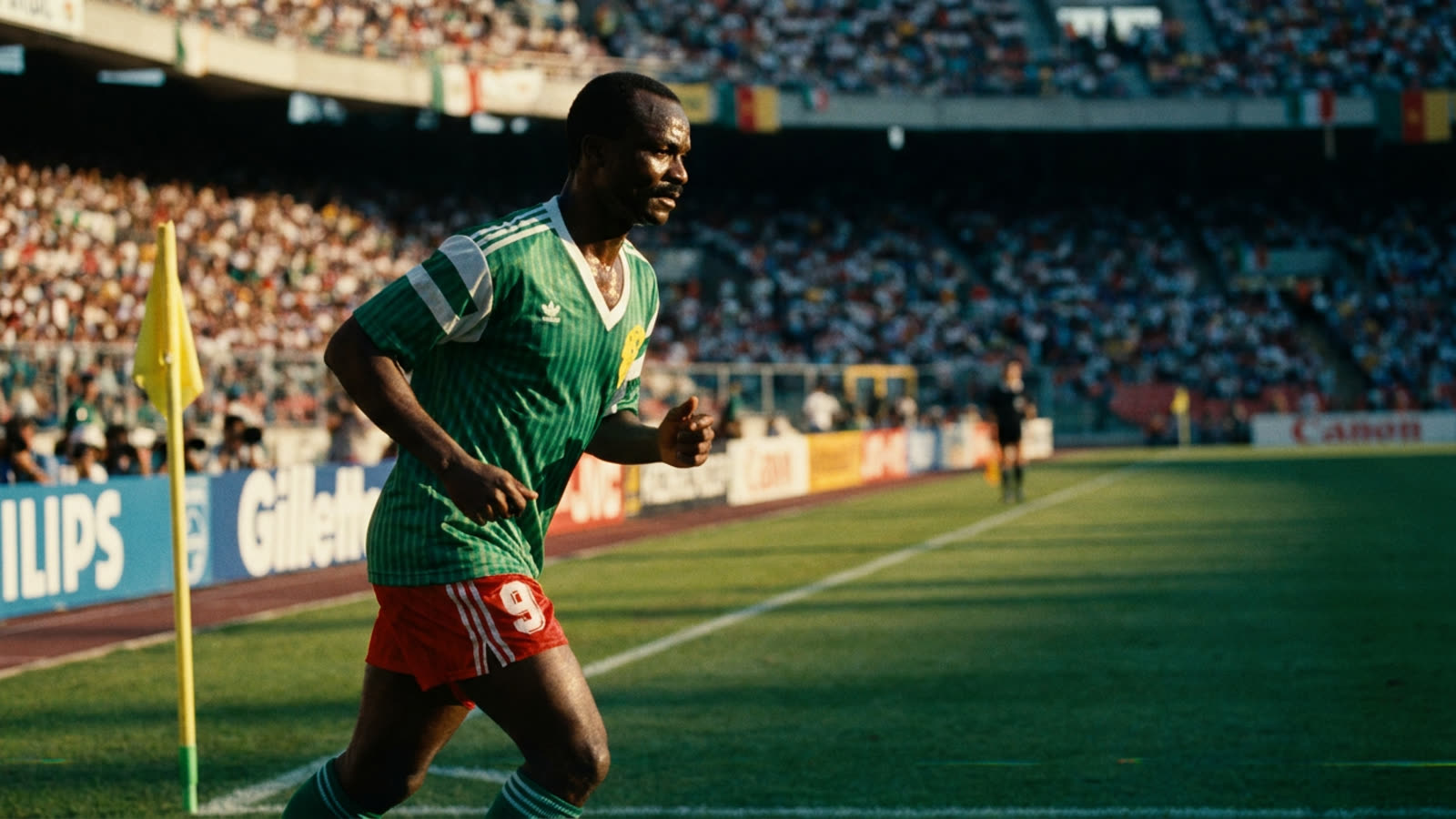
Every four years, the world's greatest footballers compete for the right to hoist a 6.1-kilogram sculpture of two human figures lifting the Earth in triumph. They weep when they touch it. Nations define generations by who held it. Yet almost no one watching the 2026 World Cup can name the man who made it.
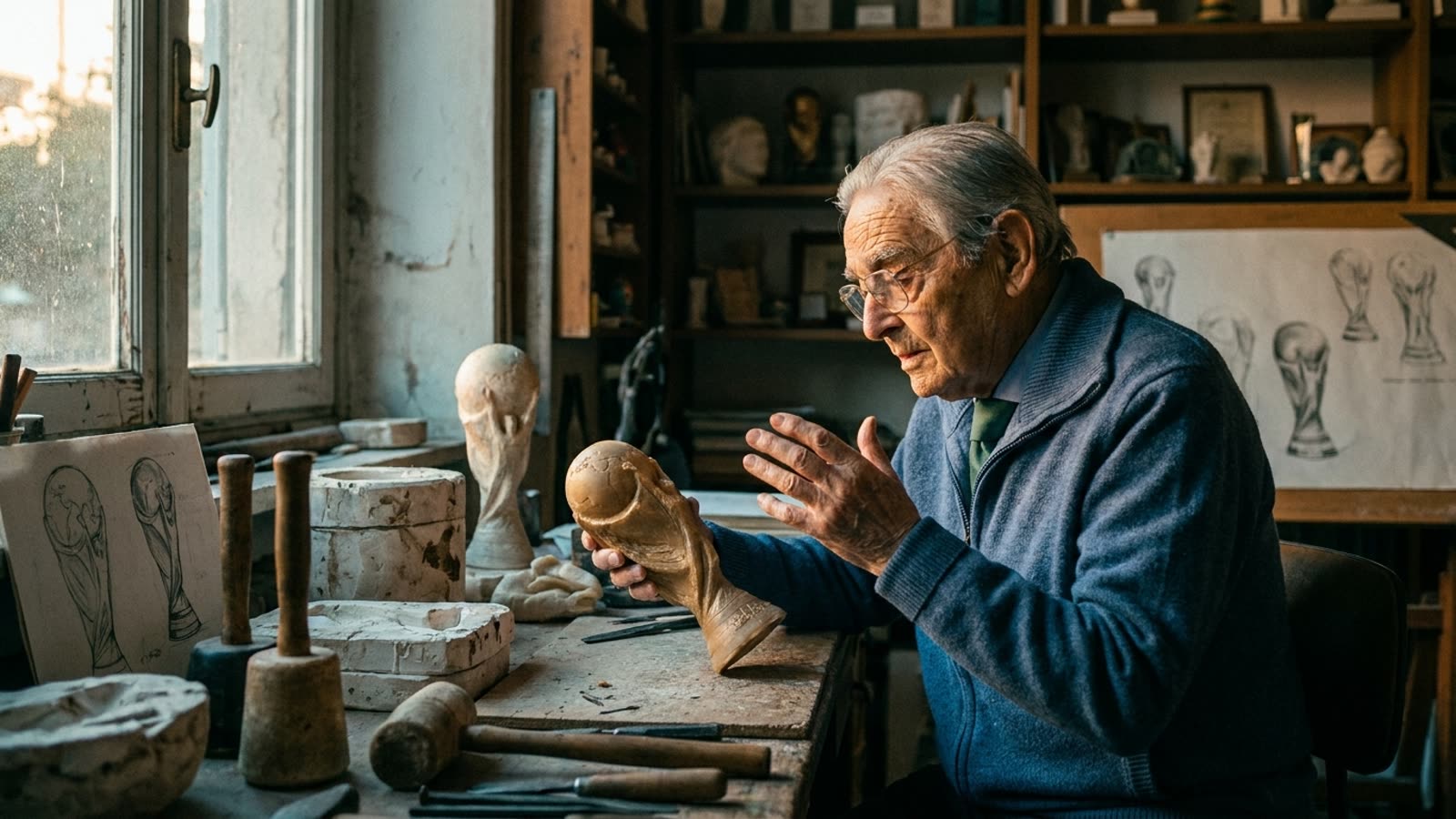
Silvio Gazzaniga was a Milanese sculptor working for Bertoni, a small Italian silversmith, when FIFA came calling in 1971. The original Jules Rimet Trophy had been permanently awarded to Brazil after their third World Cup victory, and football's governing body needed a replacement. Gazzaniga beat fifty-two other submissions with a design he described as representing "an athlete at the moment of victory" — two figures emerging from the base of the Earth, arms stretched skyward in a gesture of universal celebration.
The trophy's strange permanence
Unlike most sports trophies, the FIFA World Cup Trophy is never truly given away. Winners receive a gold-plated replica; the original — solid 18-karat gold with two bands of malachite at the base — returns to FIFA's vault in Zurich. This arrangement has given Gazzaniga's work a kind of immortality that transcends any single tournament. Pelé never touched the current trophy. Maradona did. So did Zidane, and Messi, and now whoever emerges from the knockout rounds in North America.
The design's genius lies in its abstraction. The figures have no faces, no national identity, no era. They could be celebrating in 1974 or 2026. Gazzaniga understood that the trophy needed to belong to everyone and no one — a vessel for projection rather than a fixed symbol.
The sculptor's quiet exit
Gazzaniga continued working at Bertoni for decades, designing trophies for UEFA competitions and various Italian sporting events. He gave occasional interviews, always gracious, always slightly bemused that his most famous work had become more recognizable than he was. He died in 2016 at ninety-five, and the obituaries were brief. FIFA issued a statement. The football world moved on within hours.
This anonymity is perhaps fitting. The trophy's power depends on its seeming inevitability — as if it has always existed, waiting for the next champion to claim it. Acknowledging that a specific person designed it, in a specific year, for a specific fee, punctures the mythology. Better to let the object float free of its origins.
Our take
There is something melancholy about watching players kiss a trophy whose creator they have never heard of, but also something beautiful. Gazzaniga made an object that transcended him completely — the rarest achievement for any artist. As the tournament enters its knockout phase, thirty-two nations will dream of lifting his work. That is the only monument he needed.