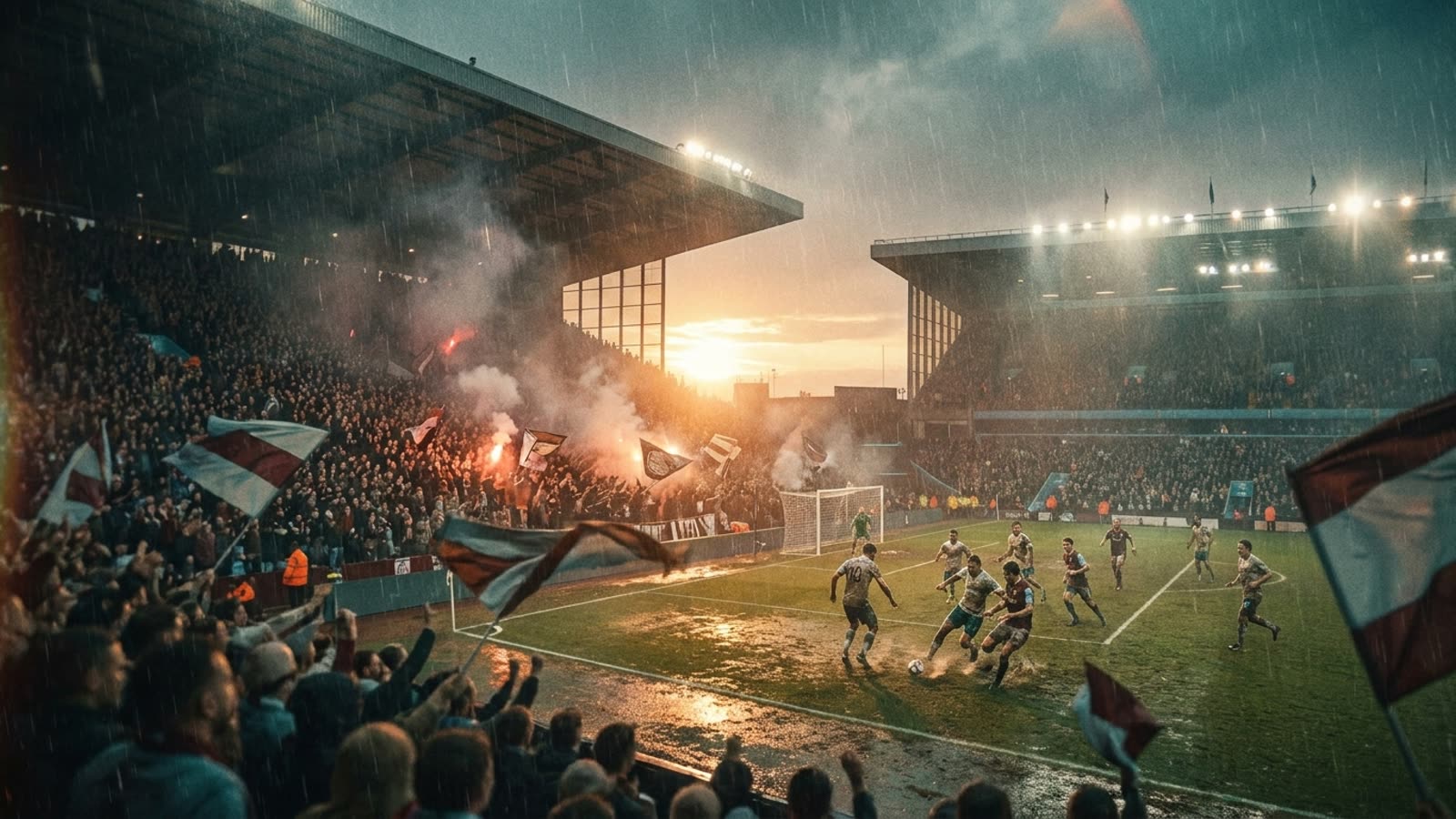
The group stage is where World Cups are truly won and lost, even if the trophy is lifted weeks later in a final. It is where Germany, four-time champions, crashed out in 2018 after losing to South Korea. Where Argentina, eventual 2022 winners, opened with a stunning defeat to Saudi Arabia. Where the mathematics of goal difference and head-to-head records create scenarios so baroque that fans need spreadsheets to understand their team's fate.
This is not a bug. It is the entire point.
The democracy of 270 minutes
Every team gets exactly three matches and 270 minutes to prove themselves. There are no second legs, no aggregate scores, no away-goals tiebreakers from the knockout rounds. Just a simple round-robin where everyone plays everyone once, and the top two advance. The format's genius lies in its compression: a single goal in a single match can reshape an entire group's destiny.
Consider the arithmetic. With three points for a win and one for a draw, a team can finish anywhere from zero to nine points. But the permutations explode when you factor in goal difference, goals scored, and head-to-head records. A group can produce ties that require FIFA's tiebreaker hierarchy to descend through six levels before reaching the drawing of lots. It almost never gets that far, but the possibility haunts every match.
Why expansion makes it more interesting, not less
The 2026 tournament introduces 48 teams across 12 groups of four, with the top two plus eight best third-place finishers advancing. Critics predicted dilution. They may be wrong. More groups mean more simultaneous dramas, more mathematical chaos, more opportunities for minnows to shock giants. The format rewards consistency—you cannot afford a bad day—while punishing complacency.
Club football has moved relentlessly toward consolidation. The Champions League expanded to guarantee more matches for elite clubs. Domestic leagues grow more predictable as financial disparities widen. The World Cup group stage moves in the opposite direction: it compresses everything into a three-match sprint where money and reputation offer no protection. Saudi Arabia's players did not care that Argentina's squad cost twenty times more.
The final matchday ritual
The simultaneous kickoffs on the final matchday represent perhaps the purest drama in sports. Every group concludes with two matches played at the exact same moment, preventing teams from calculating their way to safety. Managers cannot know what is happening elsewhere. Fans split screens and toggle between broadcasts. Goals in one stadium ripple through the standings of another.
This is appointment television that cannot be replicated, cannot be time-shifted, cannot be summarized in highlights. You either watch it live or you miss the texture entirely.
Our take
FIFA tinkers constantly with tournament formats, chasing television revenue and geopolitical favor. The group stage survives because it works—because it produces stories that knockout brackets alone never could. The format assumes nothing about who deserves to advance and lets the football decide. In a sport increasingly captured by money and predictability, those 270 minutes remain gloriously uncertain.