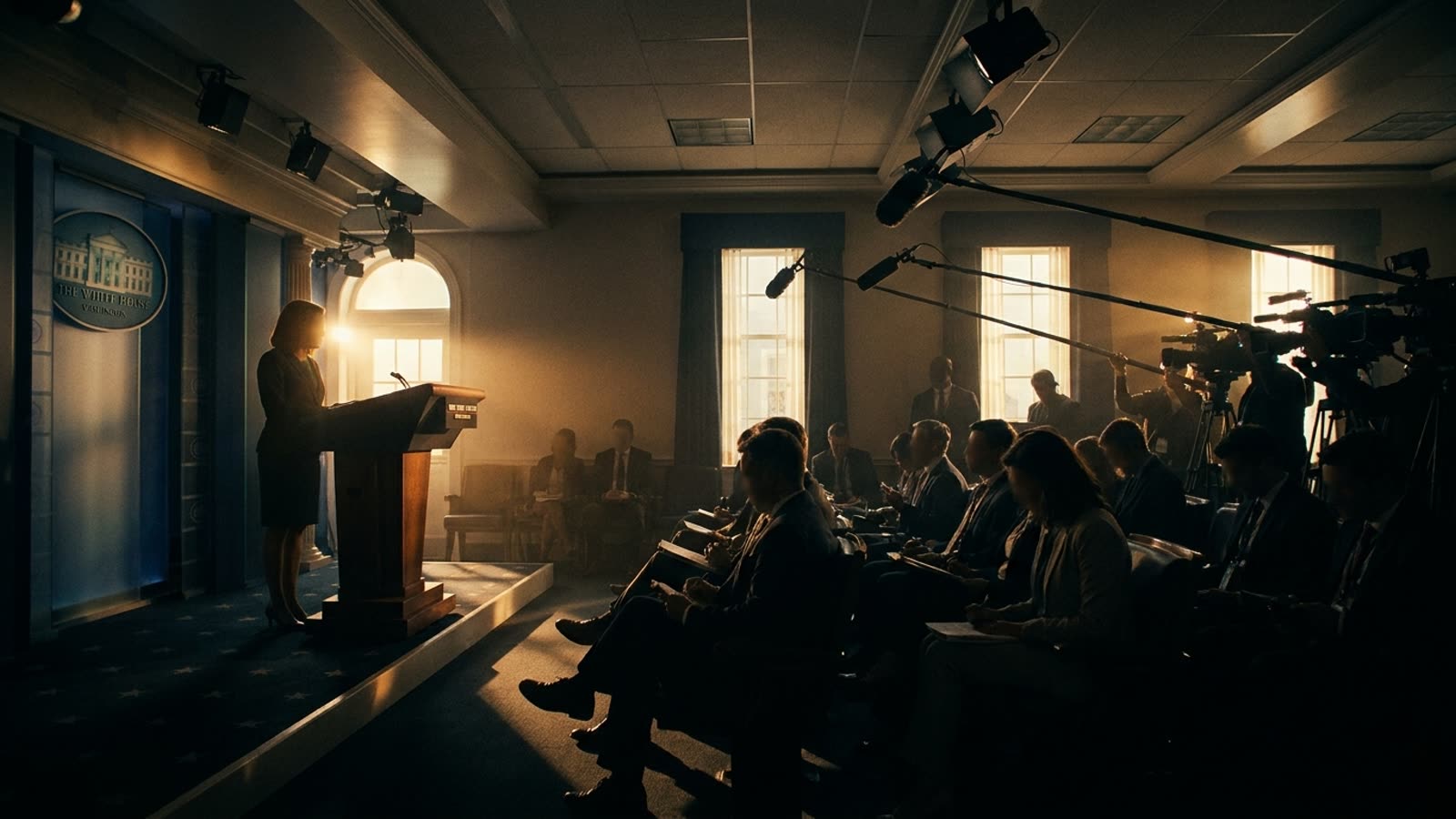
Another week, another gunfight at 1600 Pennsylvania Avenue. On Saturday, Secret Service agents fatally shot a man during an exchange of fire near the White House, capping a month that has tested the agency's perimeter security like few periods in recent memory.
The incident unfolded with the grim choreography that has become distressingly familiar: reporters rushed off the North Lawn, a lockdown imposed, and then the terse official statement confirming what the gunshots had already announced. What distinguishes this episode from the shooting earlier in May is its lethal conclusion—and the emerging profile of the deceased.
A pattern emerges
According to CNN's investigative reporting, the man killed Saturday had previously attempted to gain entry to the White House grounds and had documented mental health concerns. This detail transforms the incident from an isolated security success into something more troubling: evidence that the system designed to identify and intercept threats before they become confrontations may be failing at its most basic function.
The Secret Service's protective mission operates on concentric rings of security, with the outermost layers meant to catch precisely this kind of individual—someone known to authorities, someone who has already demonstrated intent. That he reached the point of exchanging gunfire with agents suggests those outer rings have gaps.
The mental health dimension
America's inability to address the intersection of mental illness and public safety has found no more visible stage than the White House perimeter. The man's prior attempts to access the grounds should have triggered intervention protocols that extend well beyond law enforcement—involving mental health professionals, family notification, and sustained monitoring.
Instead, he died in a hail of bullets on a Saturday morning, another casualty of a system that treats security and mental health as separate domains when they are, in cases like this, inextricably linked. The Secret Service performed its terminal function admirably; the question is why it came to that.
Political timing
The administration finds itself in an awkward position. President Trump announced progress on Iran peace negotiations the same day his security detail killed an American citizen outside his residence. The juxtaposition—diplomatic triumph abroad, domestic security failure at home—encapsulates the strange dissonance of this presidency's third act.
Republicans will frame Saturday as proof the Secret Service works. Democrats will ask why a man with known mental health issues and prior White House incidents wasn't in a treatment facility instead of a morgue. Both will be partially correct, which means neither will address the actual problem.
Our take
The Secret Service did its job on Saturday, which is precisely the indictment. When "success" means killing a mentally ill man who had already been flagged as a threat, the system has defined its objectives too narrowly. Two White House security incidents in a single month should prompt a fundamental reassessment of how threats are identified, tracked, and—ideally—diverted long before agents must reach for their weapons. The man is dead. The failures that brought him to that fence remain very much alive.