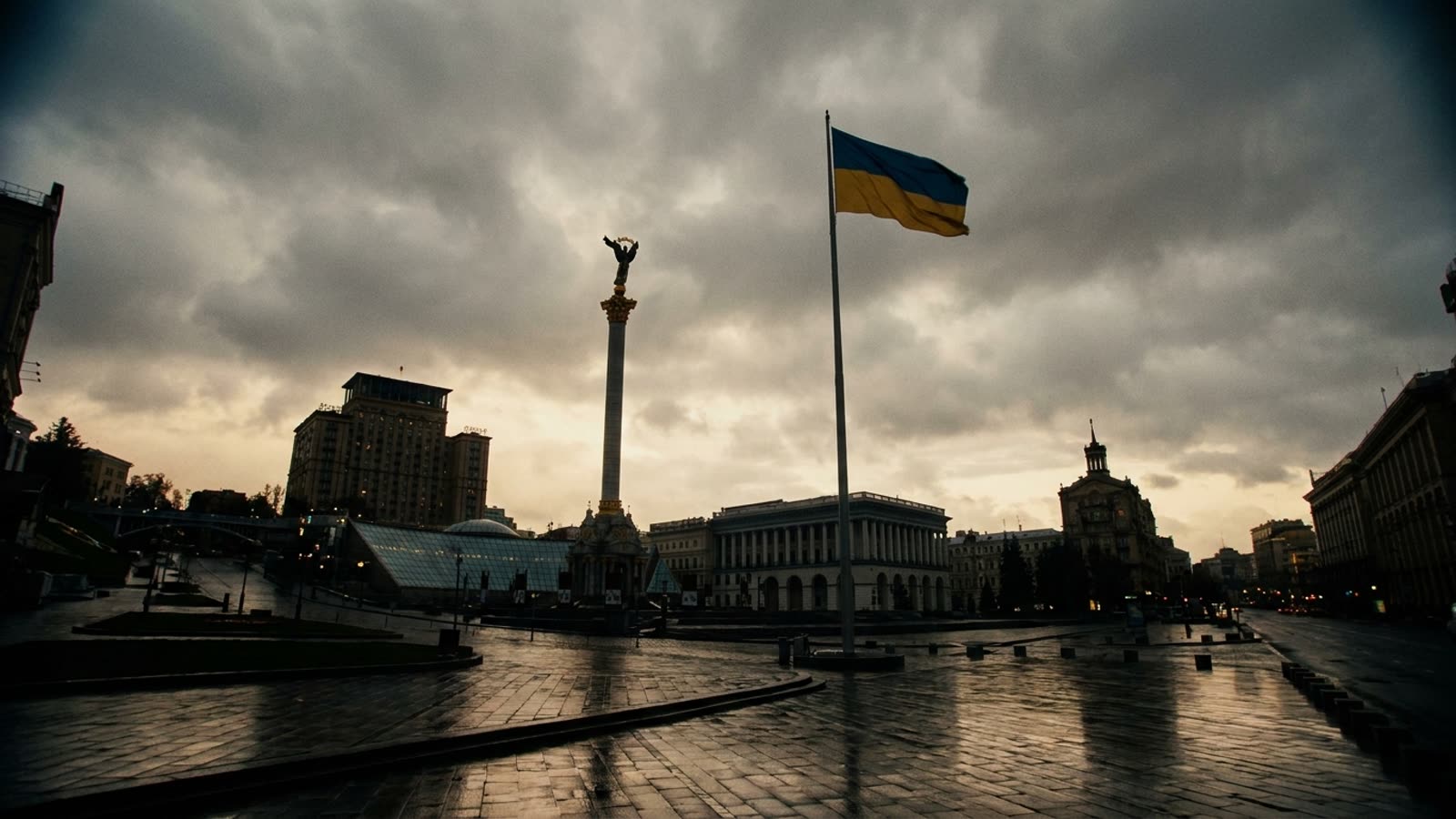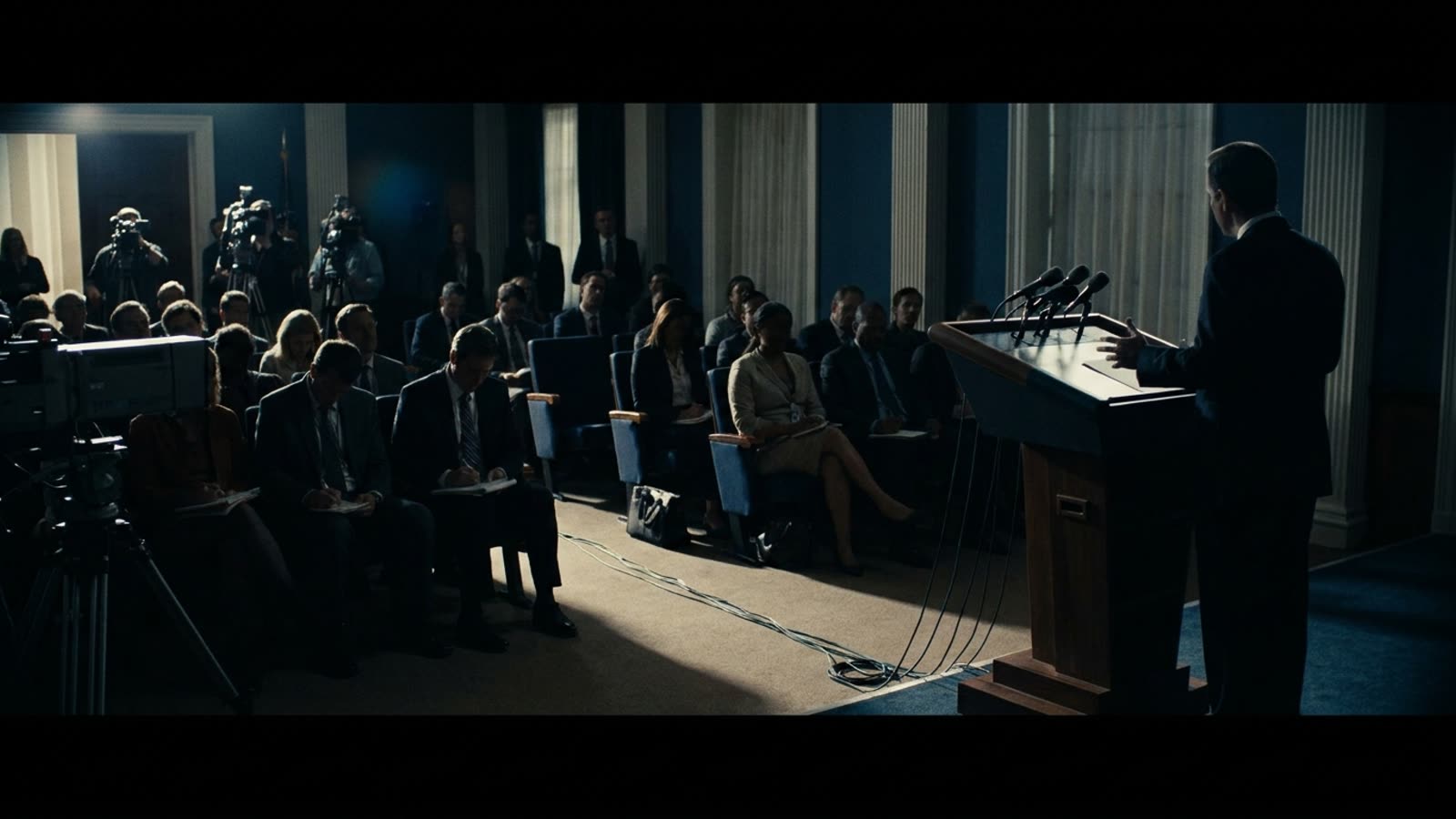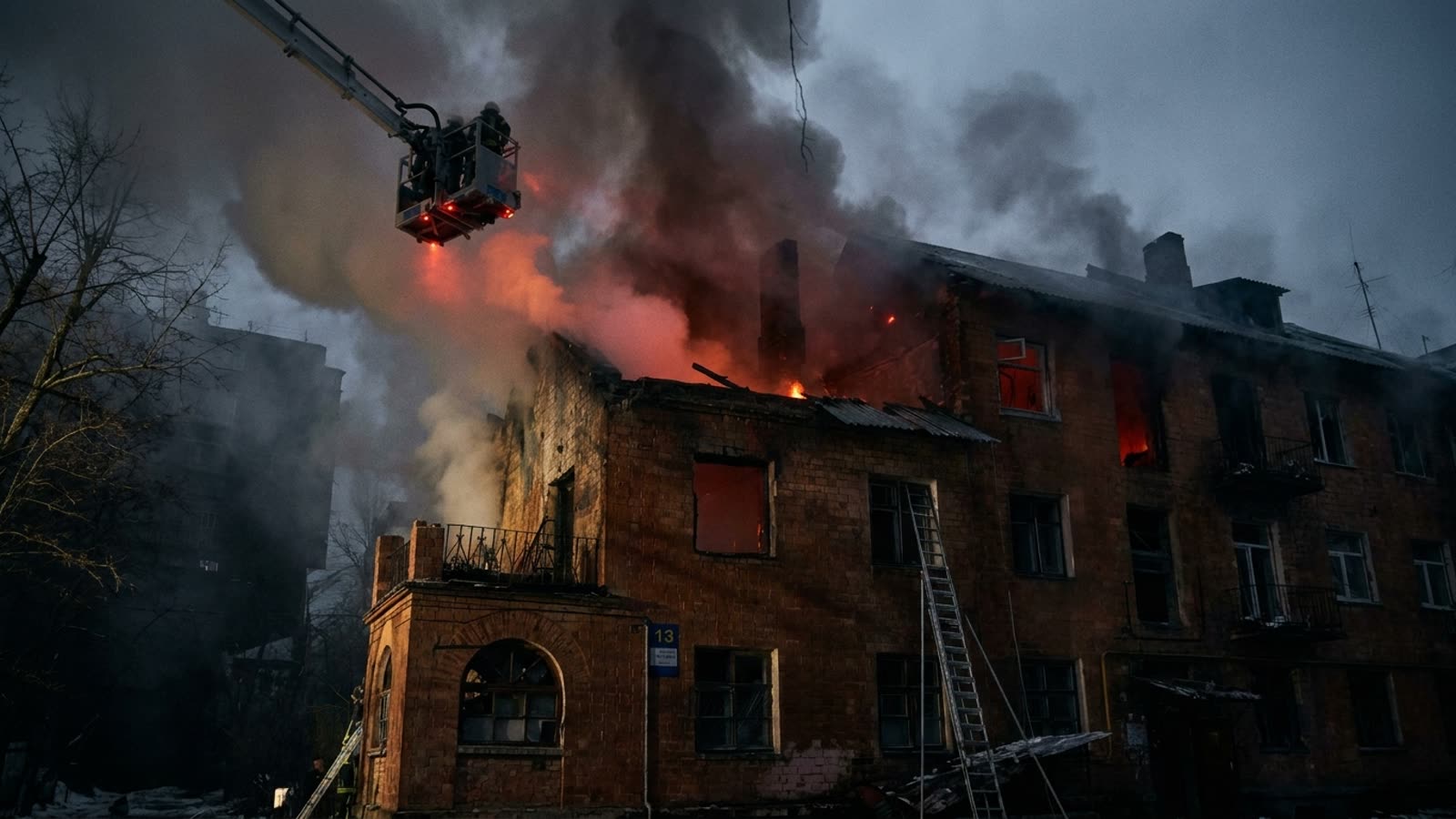
The Kremlin chose its moment with characteristic cynicism. As President Trump prepares to announce what his administration describes as a breakthrough agreement with Tehran, Russia launched one of its most devastating strikes on Kyiv since the full-scale invasion began in 2022, deploying the hypersonic Oreshnik ballistic missile alongside a barrage of conventional weapons against the Ukrainian capital.
The message is unmistakable: while American attention and military resources flow toward the Persian Gulf, Vladimir Putin intends to press his advantage in a conflict that has ground on for more than four years with no resolution in sight.
The Oreshnik factor
The Oreshnik represents Russia's most advanced conventional strike capability—a medium-range ballistic missile that Moscow has deployed sparingly, reserving it for moments of strategic signaling rather than routine bombardment. Its appearance over Kyiv suggests the Kremlin views the current diplomatic landscape as an opportunity to apply maximum pressure on both Ukraine and its Western backers.
Ukrainian air defenses, stretched thin after years of attrition and increasingly dependent on delayed Western resupply, struggled to intercept the full salvo. Early reports indicate significant damage to civilian infrastructure and energy facilities, reviving memories of the systematic grid attacks that darkened Ukrainian cities during the winters of 2022 and 2023.
The attention economy of war
Moscow has long understood that Western support for Ukraine operates on borrowed political capital. Every crisis that diverts American focus—whether domestic turmoil or a new theater of conflict—creates space for Russian advances. The Iran war, now entering its fourth month, has consumed enormous bandwidth in Washington, and the prospect of a diplomatic triumph there makes the administration even less inclined to complicate the narrative with Ukrainian setbacks.
The Kremlin's calculation is straightforward: if Trump can claim victory in one conflict, he may be more willing to seek an off-ramp in another—potentially on terms favorable to Moscow. The escalation is designed to remind Kyiv of its vulnerability while testing whether Washington's appetite for a two-front commitment has any remaining depth.
Our take
Four years into this war, the pattern has become grimly predictable. Russia escalates when it senses distraction, and the West responds with condemnation, modest resupply, and quiet prayers that the situation stabilizes on its own. It never does. The Oreshnik strike is not merely an attack on Kyiv; it is a referendum on whether the transatlantic alliance can sustain attention across multiple crises simultaneously. The early evidence is not encouraging. Trump may yet secure his Iran deal, but the price of that achievement could be paid in Ukrainian blood—a transaction Moscow is only too happy to facilitate.