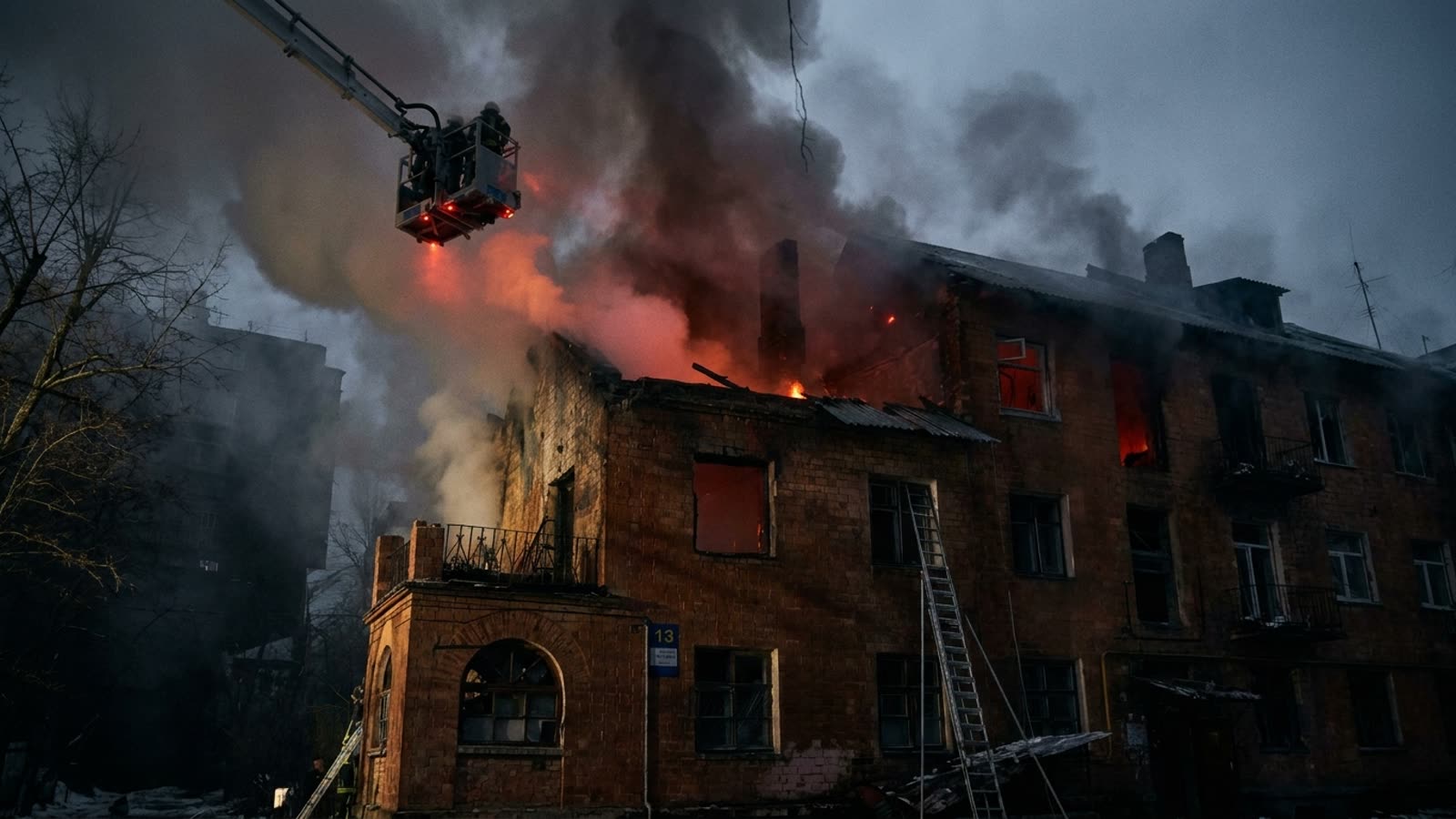
The president who launched airstrikes on Iranian nuclear facilities in February now says he will announce a negotiated agreement "shortly." The rhetorical whiplash is deliberate: Donald Trump has always preferred to create crises he can then claim to resolve, and the Iran war—costly, unpopular, and strategically ambiguous—was becoming a liability heading into the 2026 midterms.
The announcement, made Saturday morning, offered no details on terms. But the timing suggests the administration believes it has extracted enough from Tehran to declare victory, even if the underlying conflict remains unresolved. Markets responded instantly: Bitcoin surged, oil futures dipped, and defense stocks wobbled. The question now is whether this is a genuine off-ramp or a tactical pause dressed up as peace.
The pressure calculus
Three months of war have not gone according to the maximalist script. Iranian infrastructure proved more resilient than Pentagon planners anticipated, Gulf allies grew skittish about regional blowback, and domestic polling showed Americans souring on another Middle Eastern entanglement. The administration needed an exit that looked like a win.
Tehran, meanwhile, faced its own pressures. The uranium surrender framework negotiated earlier this month signaled willingness to trade nuclear ambitions for sanctions relief—a familiar dance, but one that gains urgency when your refineries are burning. Both sides, in other words, had reasons to talk.
What "deal" might mean
Without disclosed terms, speculation is inevitable. The most likely framework involves some combination of verified nuclear rollback, partial sanctions relief, and security guarantees that stop short of a formal treaty. The administration will almost certainly avoid anything requiring Senate ratification—a lesson learned from the Obama-era JCPOA, which Trump himself dismantled.
Skeptics note that Trump's previous Iran diplomacy consisted largely of withdrawing from agreements and imposing maximum pressure. A deal now would require explaining why the same regime he called an existential threat is suddenly a negotiating partner. The answer, of course, is political convenience.
Our take
This is not peace; it is a press release. Trump needs a foreign-policy win before November, and Iran needs breathing room. Both will claim victory, neither will have achieved their stated objectives, and the underlying tensions—regional proxies, nuclear ambitions, ideological enmity—will remain. The deal, whatever it contains, is a ceasefire for the news cycle. Whether it becomes something more durable depends on implementation details that neither side seems eager to discuss. For now, the war continues in everything but name.