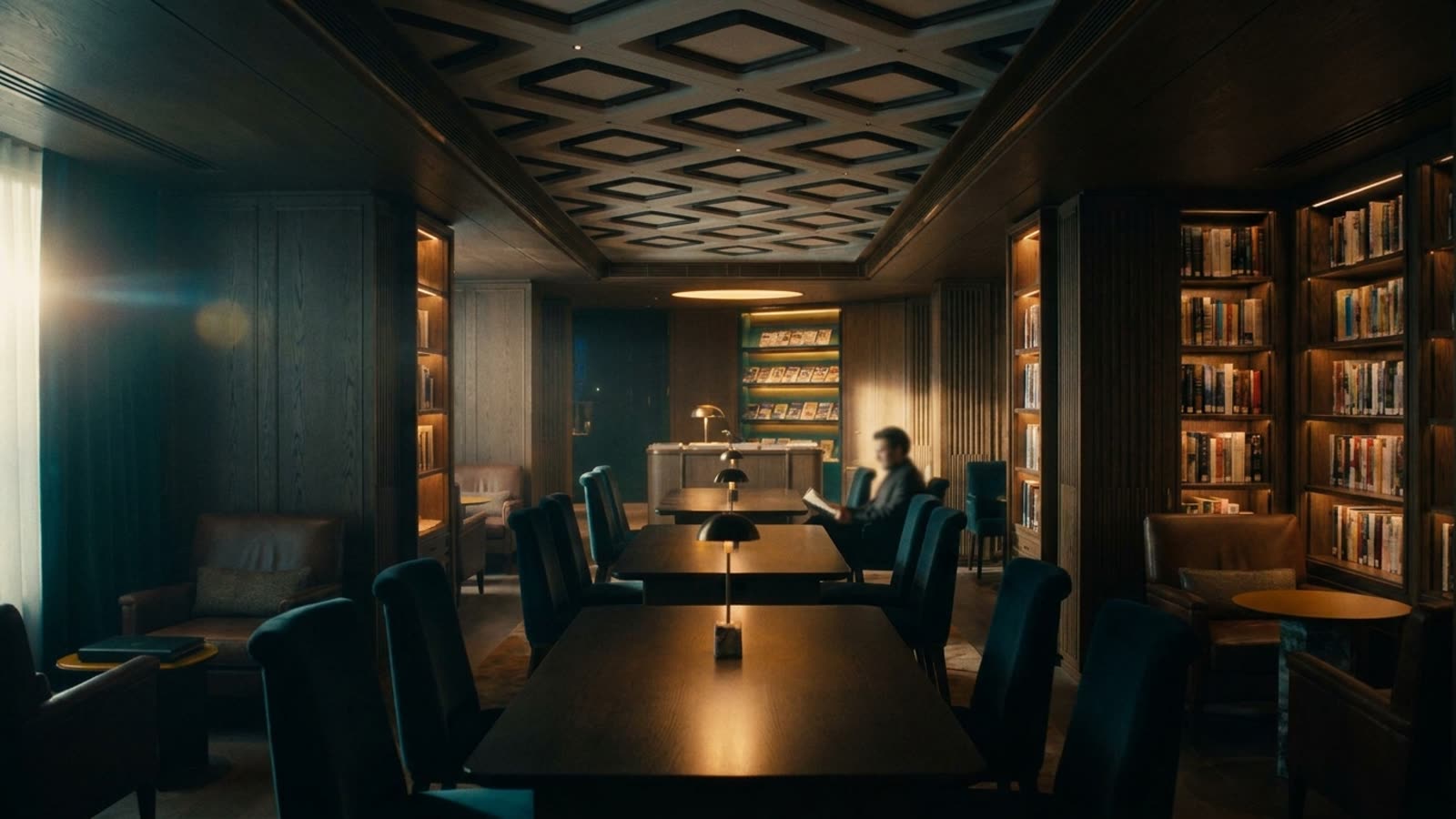
The appeal is almost embarrassingly simple: a room full of books, comfortable chairs, and an enforced prohibition on laptop keyboards. Private library clubs—some centuries old, others barely a year into their leases—are reporting waiting lists that would make exclusive restaurants envious. The phenomenon speaks to a particular exhaustion among knowledge workers who have discovered that "anywhere can be an office" also means nowhere feels like a refuge.
The model varies. London's London Library, founded in 1841, charges several hundred pounds annually and maintains over a million volumes in its St James's Square townhouse. New York's membership libraries—the Athenaeum, the Society Library—operate on similar principles established in the nineteenth century. But the newer entrants are more interesting. In cities from Los Angeles to Berlin, entrepreneurs are launching what might be called "hospitality libraries": curated collections in beautiful spaces, with membership fees that rival premium gym chains.
The economics of enforced quiet
What these clubs are actually selling is negative space. The absence of espresso machines, the prohibition of phone calls, the social pressure against the performative typing that plagues every café with decent WiFi. Some charge by the month, others by the year; a few operate on a day-pass model for travelers. The sweet spot appears to be somewhere between the cost of a co-working desk and a private club membership—expensive enough to filter for seriousness, cheap enough to attract working writers and researchers rather than purely social members.
The collections themselves matter less than one might expect. Members report using the books as ambient furniture more often than reference material. The shelves function as a visual argument for sustained attention, a reminder that long-form thinking once produced objects meant to last. Several newer clubs have abandoned the pretense of comprehensive collections entirely, instead curating a few thousand volumes around aesthetic and intellectual themes.
The anti-digital proposition
There is something faintly absurd about paying for the privilege of sitting in a room without screens, given that most members carry smartphones capable of accessing more text than any physical library could hold. But the absurdity is the point. These spaces are selling friction—the productive difficulty of an environment designed before the attention economy. The books don't notify you. The other members, bound by social contract, won't interrupt.
The demographic skews predictably: writers, academics on sabbatical, lawyers preparing briefs, the occasional financier working through a stack of annual reports. But club operators report growing interest from technology workers seeking what one London librarian described as "a room where the default assumption is that you're thinking, not performing."
Our take
The private library revival is a minor correction in a culture that has optimized relentlessly for availability and connectivity. These clubs won't scale into mass phenomena—their appeal depends on exclusivity and their economics require high margins on limited seats. But they represent something worth noting: a small but growing cohort willing to pay real money for the simple experience of being left alone with their thoughts. In an economy that has monetized every spare moment of attention, the library membership is a modest form of resistance, purchased by the month.