The romantic comedy is supposedly about two people falling in love. Nora Ephron knew better. Her films — When Harry Met Sally, Sleepless in Seattle, You've Got Mail — are actually about something far more interesting: the impossible task of being a functioning adult in a world that refuses to cooperate.
This is what separates Ephron from her imitators. Where lesser writers treat the genre as a delivery mechanism for meet-cutes and grand gestures, Ephron treated it as a vehicle for examining how people actually live. Her characters worry about their apartments. They have opinions about restaurants. They notice when someone orders their salad dressing on the side. The romance is almost incidental — a reward for paying attention to the texture of existence.
The columnist's eye
Ephron came to screenwriting after careers in journalism and essay-writing, and it shows. Her scripts read like reported pieces, stuffed with the kind of observational detail that only someone who has spent years watching people would notice. Sally Albright's neurotic food ordering isn't a quirk invented to make her lovable; it's anthropology. Ephron understood that personality reveals itself in the small choices, the unconscious habits, the things we do when we think no one is watching.
This journalistic sensibility gave her work an unusual durability. Most romantic comedies age poorly because they depend on circumstances that feel dated within a decade. Ephron's films age well because they're about permanent human conditions: loneliness, self-deception, the gap between who we are and who we present to the world. The technology in You've Got Mail is laughably obsolete — dial-up modems, AOL inboxes — but the emotional architecture remains sound. People still construct idealized versions of strangers. They still prefer the fantasy to the reality standing in front of them.
New York as character
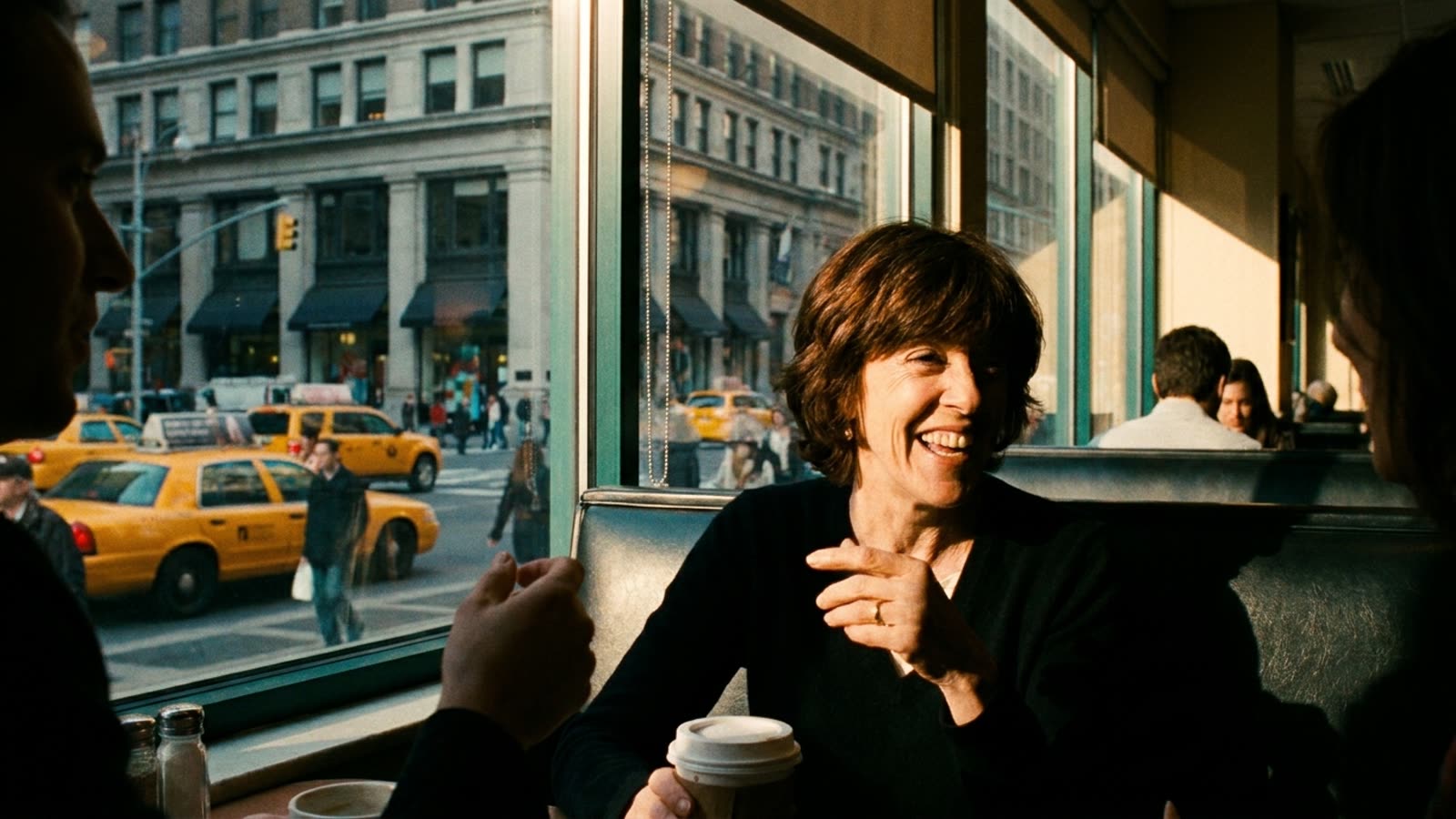
Ephron's Manhattan functions as a kind of utopia, a city where independent bookstores thrive and everyone lives in apartments they could never actually afford. Critics sometimes fault this as escapism, but that misses the point. Ephron wasn't documenting New York; she was constructing a stage set for adult life as it ought to be lived. Her characters have meaningful work, strong friendships, and the leisure to sit in cafes debating whether men and women can be friends. The fantasy isn't the romance — it's the lifestyle that makes romance possible.
This vision proved enormously influential. The entire aesthetic of the modern "lifestyle" industry — the curated apartment, the meaningful career, the artisanal everything — owes something to Ephron's films. She didn't invent aspiration, but she codified a particular version of it: urban, literate, slightly neurotic, fundamentally optimistic.
Our take
Ephron's real achievement was smuggling intelligence into a genre that Hollywood has always treated as disposable. She proved that a film could be commercially successful and emotionally sophisticated, that audiences would show up for witty dialogue and complicated feelings. The romantic comedy has struggled since her death, not because audiences lost interest in love stories, but because the industry forgot what she knew: the genre works best when it's about everything except the romance.