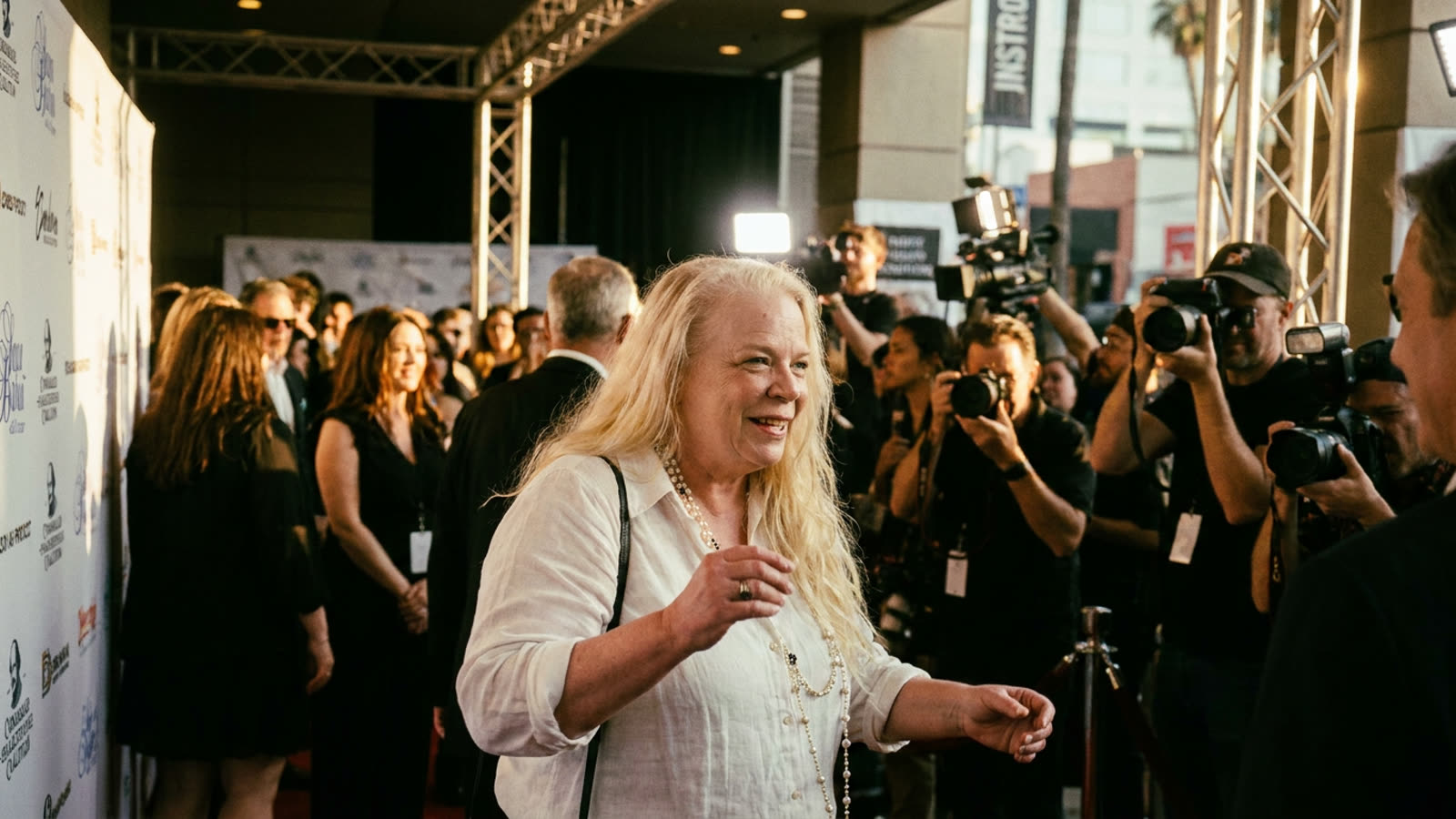
In an industry that devours its own, Marcy Walker did something almost unheard of: she left before anyone asked her to.
The actress, who dominated daytime television through the 1980s and 1990s as Eden Capwell on Santa Barbara and Liza Colby on All My Children, has resurfaced in recent interviews discussing her work as an ordained minister in New Mexico — a career pivot so complete it makes other celebrity reinventions look like costume changes. Walker won three Daytime Emmy Awards and was, by most accounts, the definitive soap opera actress of her generation. Then she simply stopped.
The exit that nobody saw coming
Walker's departure from All My Children in 2005 wasn't preceded by the usual tabloid drama — no salary disputes, no feuds with showrunners, no scandalous behavior requiring a quiet exit. She had found religion, specifically evangelical Christianity, and decided that playing Liza Colby's schemes and seductions no longer aligned with her values. The soap opera world, accustomed to stars being written out in explosions or comas, didn't quite know what to do with someone who left for seminary.
What makes Walker's story unusual isn't the religious conversion itself — Hollywood has seen plenty of those — but the totality of her commitment. She didn't leverage her fame into a televangelist career or a Christian entertainment empire. She moved to a small town, completed ministerial training, and began working with a local congregation. The woman who once commanded $1 million annual salaries now leads Bible studies.
Why soap stars burn differently
Daytime television creates a peculiar kind of fame. Soap actors work year-round, often filming an hour of television per day, building relationships with audiences that span decades. The parasocial bond is intense and daily. When Walker played Eden Capwell, she wasn't just a character — she was a companion to millions of viewers during their lunch breaks and sick days.
This makes walking away harder than leaving a primetime role. There's no hiatus, no off-season to recalibrate. The machine demands constant presence. Walker's clean break required severing not just a career but a daily ritual shared with her audience.
Our take
The entertainment industry loves a comeback narrative, but Walker's story is more interesting precisely because she hasn't come back. In an era when every retired celebrity eventually resurfaces on a reality show or launches a podcast, her sustained absence from the spotlight suggests her transformation was genuine rather than strategic. Whether or not one shares her theological convictions, there's something admirable about a person who achieved the thing they were supposed to want — fame, wealth, critical acclaim — and decided it wasn't actually what they wanted at all. Most people never get the chance to make that choice. Fewer still would make it the way she did.