There is a moment in every drinker's life when sweetness stops being the point. For many, that moment arrives with a Negroni—equal parts gin, Campari, and sweet vermouth, stirred over ice and served with an orange peel that nobody asked for but everyone needs. The cocktail does not seduce. It confronts. And that confrontation has made it the most revealing drink order of the past century.
The origin story is apocryphal in the way all good origin stories are. Count Camillo Negroni, a Florentine aristocrat with a taste for stronger things, supposedly walked into Caffè Casoni in the years following the First World War and asked bartender Fosco Scarselli to fortify his Americano with gin instead of soda water. Whether this happened precisely as legend holds matters less than what the drink became: a perfect ratio that resists improvement, a formula so balanced that tampering with it feels like vandalism.
The arithmetic of bitterness
The Negroni's genius lies in its brutal simplicity. One-one-one. No room for bartender ego, no opportunity for molecular gastronomy theatrics, no seasonal variation beyond perhaps a grapefruit peel in summer if you are feeling adventurous and slightly wrong. The drink arrived fully formed, which is why it has survived every cocktail renaissance and speakeasy revival of the past several decades without requiring reinvention.
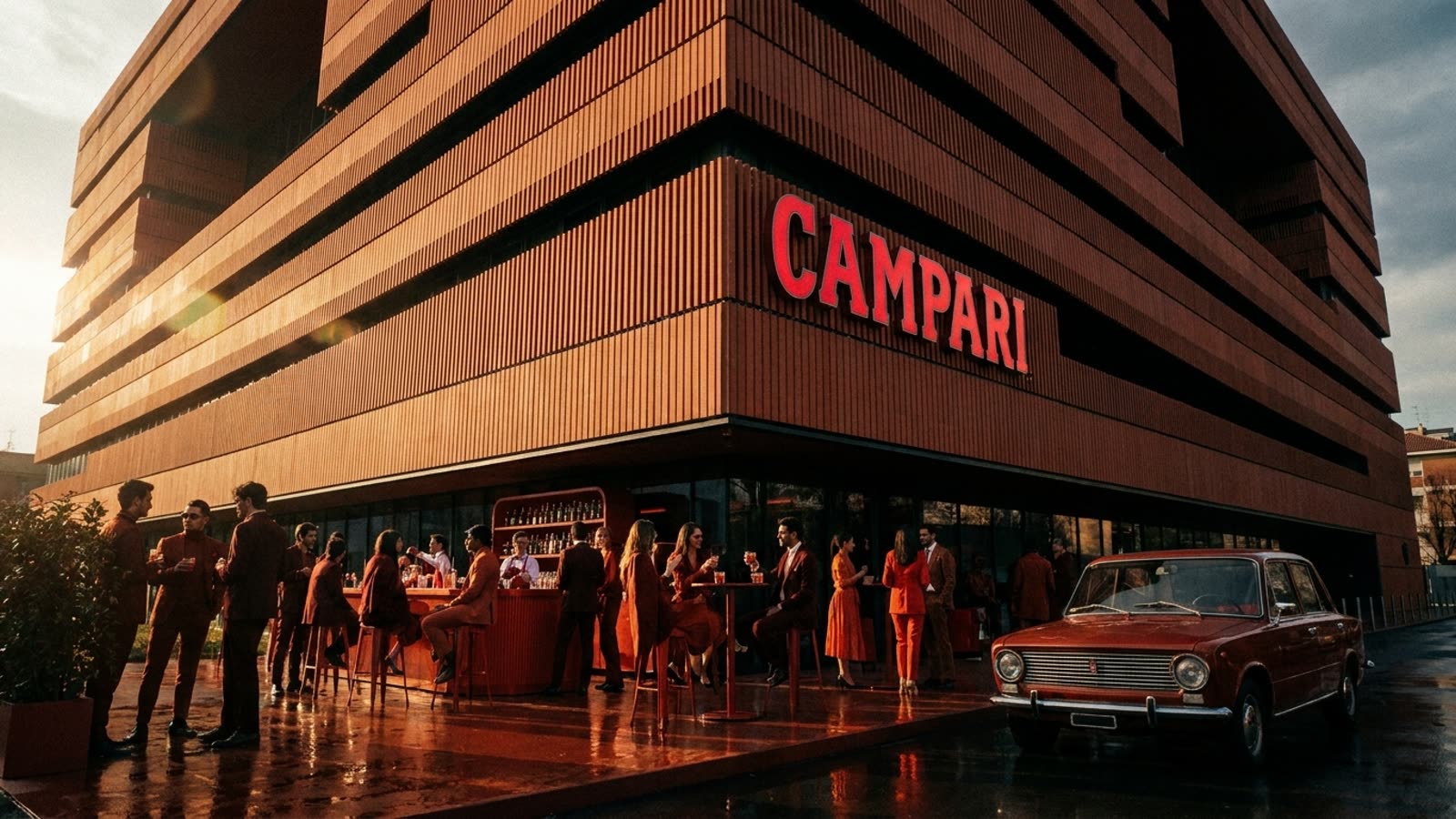
Campari's bitterness—derived from a proprietary blend that the company guards with Vatican-level secrecy—does the heavy lifting. It is the ingredient that separates those who will love the Negroni from those who will push it across the bar after one sip and order a vodka soda. Sweet vermouth rounds the edges. Gin provides the backbone. Together they create something that tastes, on first encounter, like a mistake, and on the tenth, like the only thing worth drinking.
The gatekeeping drink
Somewhere along the way, the Negroni became a shibboleth. Ordering one signals a particular kind of person: someone who has moved past the phase of drinking to get drunk, who understands that pleasure and discomfort can coexist, who does not require their alcohol to taste like dessert. This is, of course, insufferable—and also true.
The drink's cultural cachet has only grown as craft cocktail culture matured. It appears in films as shorthand for European sophistication. It anchors aperitivo hour from Milan to Melbourne. It has spawned a September-long global celebration that raises money for charity while giving bartenders an excuse to experiment with barrel-aged variations and white Negronis made with gentian liqueur. The Negroni Sbagliato—the "mistaken" version with prosecco instead of gin—even enjoyed a viral moment when an actress mentioned it in an interview, proving that the drink's appeal extends even to those who prefer their bitterness diluted with bubbles.
Our take
The Negroni endures because it asks something of the person drinking it. In an age of hard seltzers and espresso martinis engineered for Instagram, here is a cocktail that offers no compromise and demands none in return. You either arrive at the Negroni or you do not. There is no halfway. That stubbornness—the drink's absolute refusal to be anything other than itself—is precisely why it will still be ordered a century from now, by people who have finally stopped pretending they want something sweeter.