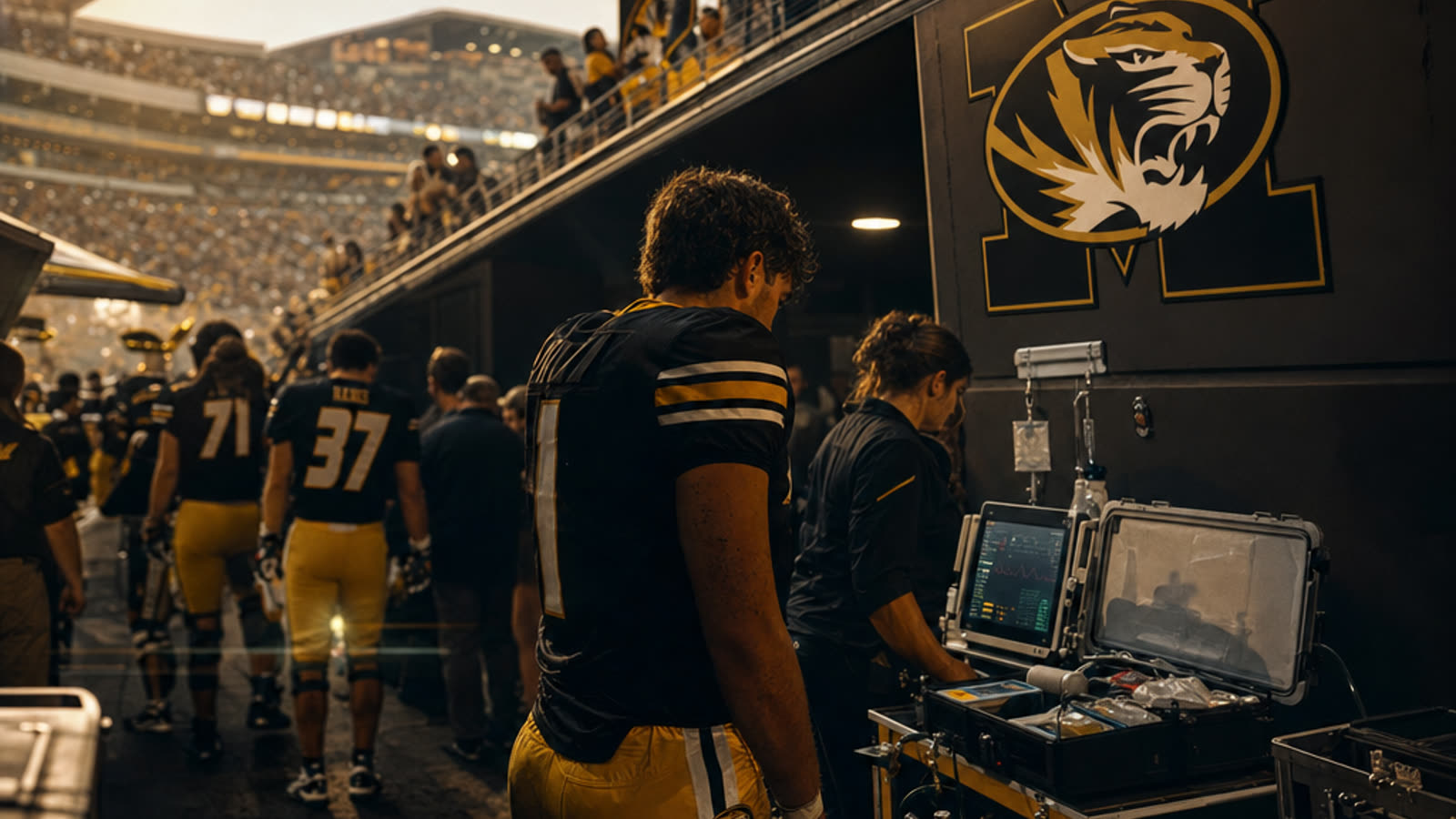
A college athlete getting a new heart should be unambiguously good news, and for Mizzou freshman Jones, it is: the transplant was successful, recovery is underway, and a young person has been given a second chance at life. The story behind the story, however, illuminates the peculiar limbo in which college athletes exist—neither quite employees with comprehensive occupational health coverage nor ordinary students who simply happen to play sports.
Missouri's program, like most Power Five athletic departments, maintains robust medical staffs and protocols. Pre-participation cardiac screenings have become standard across Division I since the high-profile sudden cardiac deaths of the 2000s and 2010s prompted NCAA-wide reforms. Yet the fact that a freshman required a transplant suggests either a condition that evaded detection or one that progressed with alarming speed after enrollment. Neither scenario is a comfortable one for administrators.
The screening question
Collegiate cardiac screening typically includes an electrocardiogram and echocardiogram, tools that catch most structural abnormalities. But no screening regime is perfect. Certain cardiomyopathies, myocarditis sequelae, and congenital defects can slip through, especially in young bodies still developing. The question for athletic departments is not whether to screen—that debate is settled—but how aggressively to follow up on borderline findings and how transparent to be with recruits about discovered risks.
Jones's case will inevitably prompt internal reviews at Missouri and peer institutions. Was anything flagged? Were follow-ups conducted? The answers matter not just legally but ethically: a seventeen- or eighteen-year-old signing a letter of intent is trusting the program with their body in ways that transcend box scores.
The coverage patchwork
College athletes are not employees under current law, which means they do not receive workers' compensation. Most schools carry catastrophic-injury insurance, but the specifics vary wildly. A heart transplant—surgery, hospitalization, immunosuppressants for life—can easily run into seven figures. Missouri has reportedly committed to covering Jones's care, a statement of institutional decency but also a reminder that such commitments are discretionary, not guaranteed.
The ongoing debate over athlete compensation and employment status tends to focus on NIL dollars and transfer rules. Medical coverage gets less airtime, yet for the small percentage of athletes who suffer career- or life-altering injuries, it is the issue that matters most.
Our take
Jones's successful transplant is a testament to modern medicine and, presumably, to Missouri's willingness to act swiftly. But feel-good outcomes should not obscure systemic fragility. College athletics generates billions; the least it can do is ensure that every participant has ironclad, lifetime medical support for injuries or conditions discovered on its watch. Until that is codified rather than assumed, stories like this will carry an asterisk of institutional luck.