The most remarkable thing about Japanese whisky's global dominance is how little its makers seem to care about it. While Scottish distilleries court influencers and Kentucky bourbon brands chase celebrity endorsements, Japan's whisky houses maintain a posture of almost theatrical disinterest in the outside world—and collectors pay extraordinary premiums for the privilege of being ignored.
This is not accidental. It is, in fact, the entire point.
The apprenticeship that built an empire
The story begins with Masataka Taketsuru, who traveled to Scotland in 1918 to learn the craft of whisky-making at a time when Japan had no meaningful tradition of the spirit. He returned home with technical knowledge, a Scottish wife, and an obsession with replicating the damp, peaty character of Speyside malts in a country with entirely different water, climate, and grain. The sensible approach would have been adaptation. Taketsuru chose imitation so precise it bordered on devotion.
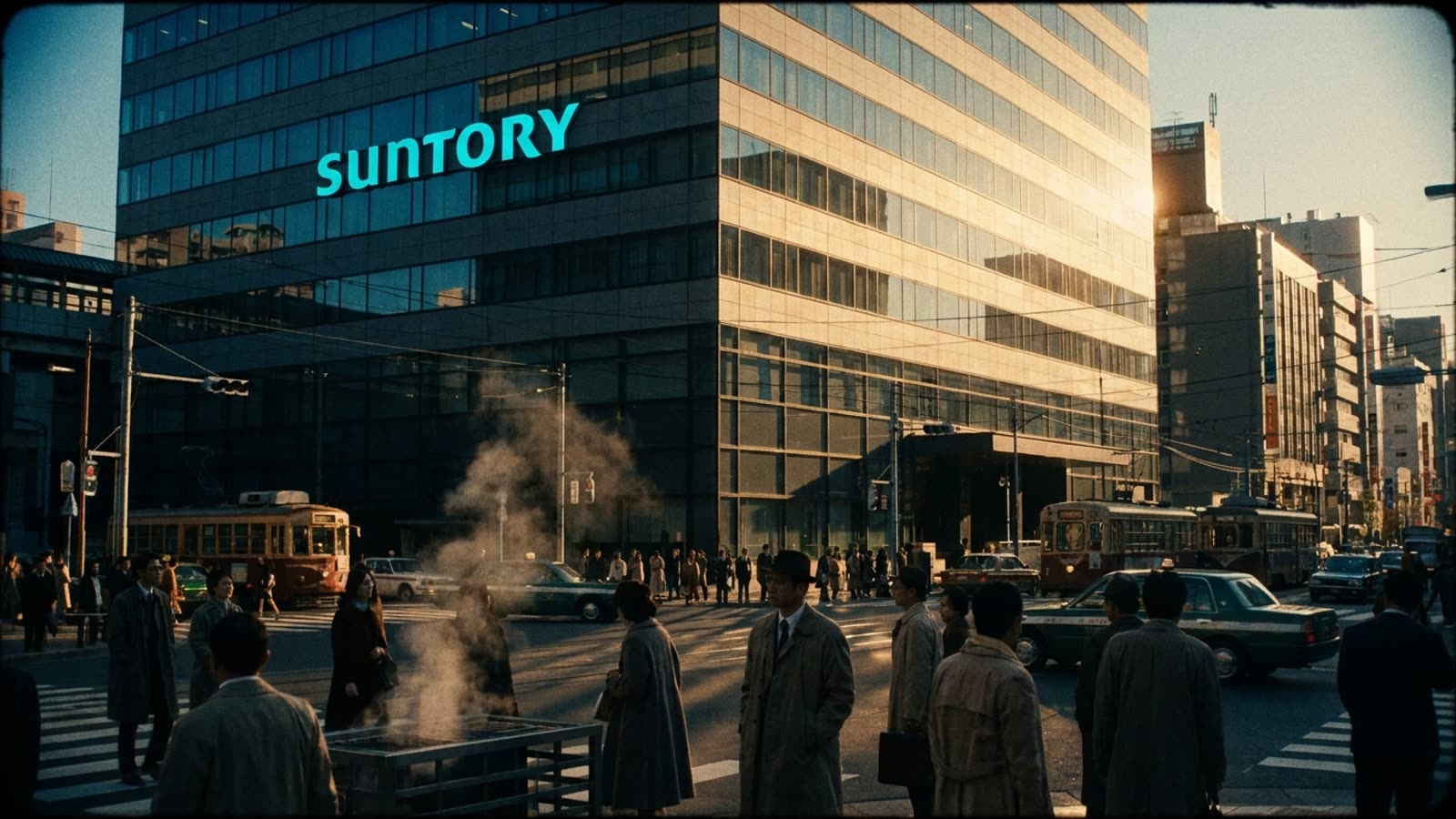
This founding impulse—that whisky-making is a discipline to be mastered rather than a market to be exploited—embedded itself in Japanese distilling culture. Suntory and Nikka, the two giants that emerged from those early decades, developed house styles through decades of patient refinement rather than focus-grouped innovation. When global whisky critics began awarding Japanese expressions top honors in international competitions, the response from Yamazaki and Yoichi was not triumphant marketing but something closer to mild embarrassment.
Scarcity as philosophy
The current shortage of aged Japanese whisky—bottles allocated by lottery, prices that would make Bordeaux collectors wince—is often attributed to a failure of planning. Distillers in the 1980s and 1990s could not have predicted the global surge in demand that would arrive decades later. But the shortage has become inseparable from the product's mystique. Japanese producers have responded not by ramping up production and diluting quality, but by releasing younger expressions and maintaining standards even as it costs them sales.
Contrast this with the American craft whiskey boom, where distilleries routinely release three-year-old bourbon with premium pricing and origin-story marketing. Japanese houses treat time as non-negotiable. A whisky is ready when it is ready. The customer's impatience is not the distiller's concern.
The aesthetic of restraint
There is something deeply Japanese about this approach—the same sensibility that produces kaiseki cuisine and wabi-sabi ceramics. The whisky itself reflects this: Japanese expressions tend toward precision and balance rather than the aggressive peat of Islay or the caramel sweetness of Kentucky. They reward attention. They do not demand it.
This restraint extends to the physical presentation. Japanese whisky packaging favors clean lines and minimal text over the tartan-and-stag imagery of Scottish exports or the folksy Americana of bourbon labels. The message is clear: the liquid speaks for itself, and if you need convincing, perhaps you are not the intended audience.
Our take
Japanese whisky's triumph is ultimately a lesson in the commercial power of authenticity—or at least its convincing performance. By refusing to chase trends, Japanese distillers created the most powerful trend in spirits. By ignoring the global market, they captured it. Whether this represents genuine philosophical commitment or extraordinarily sophisticated brand management is, perhaps, beside the point. The whisky is exceptional. The waiting list is long. And somewhere in the mountains of Honshu, a master blender is paying no attention whatsoever to what you think about it.