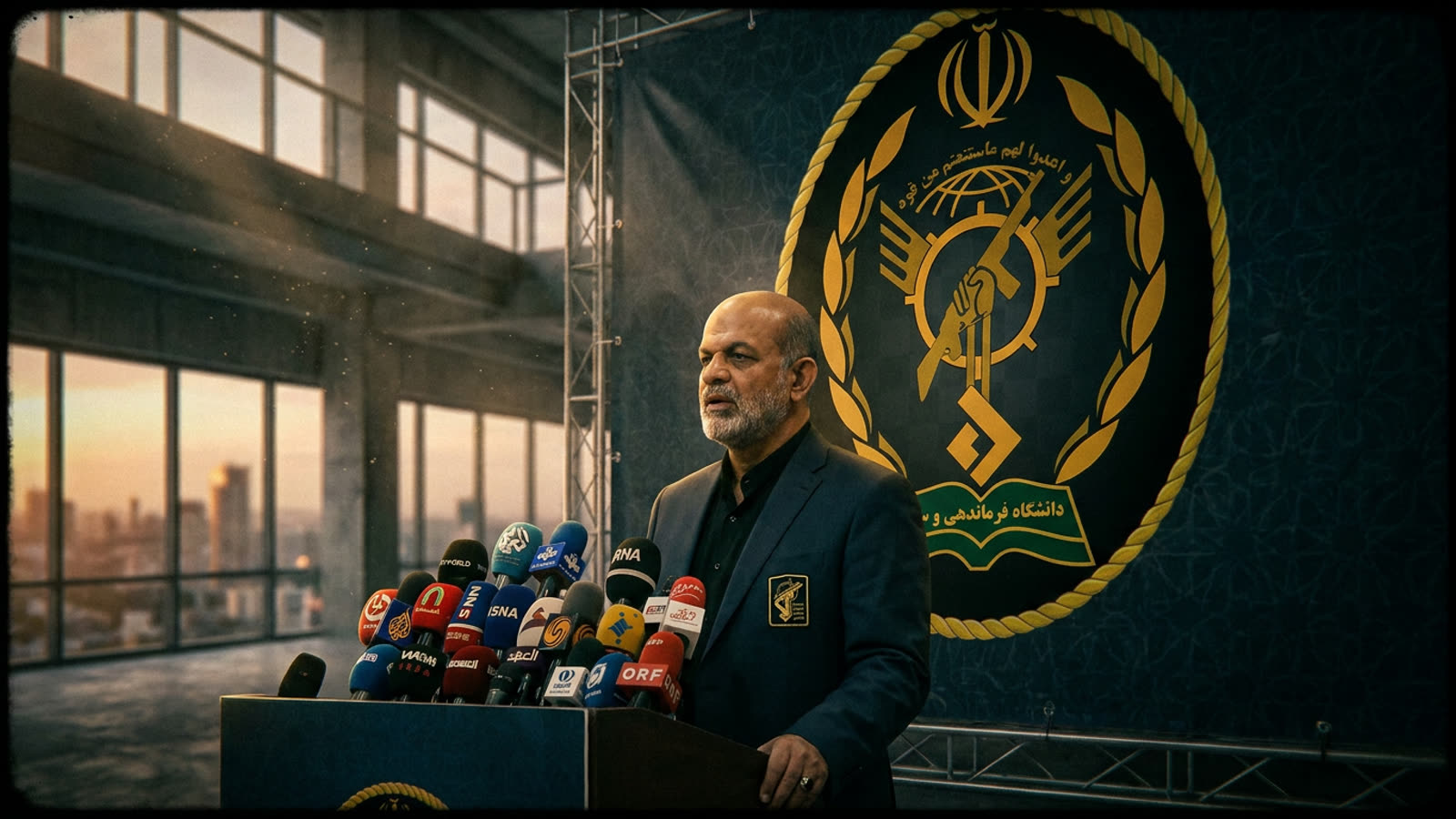
The Islamic Revolutionary Guard Corps is not merely a military organization. It is a conglomerate, a holding company with guns, and the single largest beneficiary of any sanctions relief that emerges from the framework agreement now being finalized between Washington and Tehran.
This is the uncomfortable arithmetic that hovers over the Switzerland negotiations: every dollar that flows back into Iran's economy does not land in some neutral government account. A substantial portion will enrich an entity that the United States has designated a terrorist organization since 2019—a designation that, notably, the current framework does not propose to remove.
The IRGC's corporate sprawl
The Guards' economic footprint defies easy summary. Through a web of foundations, subsidiaries, and front companies, the IRGC controls significant stakes in construction, telecommunications, automotive manufacturing, and—most critically—oil and gas extraction. Western intelligence estimates have long suggested the organization commands somewhere between a quarter and a third of Iran's formal economy, though the true figure is unknowable given the opacity of its holdings.
Khatam al-Anbiya, the IRGC's construction arm, has built everything from highways to the Tehran metro. The organization's pension fund holds shares in companies listed on the Tehran Stock Exchange. When sanctions strangled Iran's ability to export crude, IRGC-linked tankers became the primary mechanism for evading restrictions. The infrastructure of evasion is already built; the infrastructure of profit merely awaits permission.
What sanctions relief actually means
The framework agreement reportedly preserves the IRGC's terrorist designation while lifting nuclear-related sanctions on Iran's central bank, oil exports, and shipping. In theory, this distinction matters. In practice, money is fungible. An Iranian economy flush with oil revenue will see that revenue flow through state channels that the IRGC has spent decades infiltrating. The Guards do not need their name on the check; they need the check to clear.
Former administration officials have begun saying publicly what current ones will not: that the deal is "enormously helpful" to Iran in ways that extend well beyond nuclear enrichment timelines. The question is whether Washington has decided this is an acceptable price for de-escalation, or whether it simply prefers not to examine the ledger too closely.
The strategic calculation
The Biden and now second Trump administrations have both operated under a theory that economic integration moderates revolutionary regimes—that an Iran with something to lose behaves differently than an Iran with nothing left to sanction. There is historical precedent for this view, and historical precedent against it. China's WTO accession did not produce political liberalization. Vietnam's economic opening did not make Hanoi an American ally, but it did make Hanoi a more predictable actor.
The bet with Iran is similar: that a richer IRGC is paradoxically a more cautious one, that commanders with construction contracts have less appetite for regional adventurism than commanders with nothing but ideology. It is a reasonable theory. It is also unfalsifiable until tested, and the test is irreversible.
Our take
There is no version of engagement with Iran that does not enrich the Revolutionary Guards. This is not a bug in the framework; it is a feature of dealing with the Iranian state as it actually exists. The honest argument for the deal is not that it avoids this outcome but that the alternatives—indefinite economic warfare or military confrontation—are worse. Washington should make that argument openly rather than pretending the IRGC's windfall is someone else's problem. Diplomacy built on wishful accounting tends to produce surprised taxpayers and disillusioned allies. Neither is in short supply.