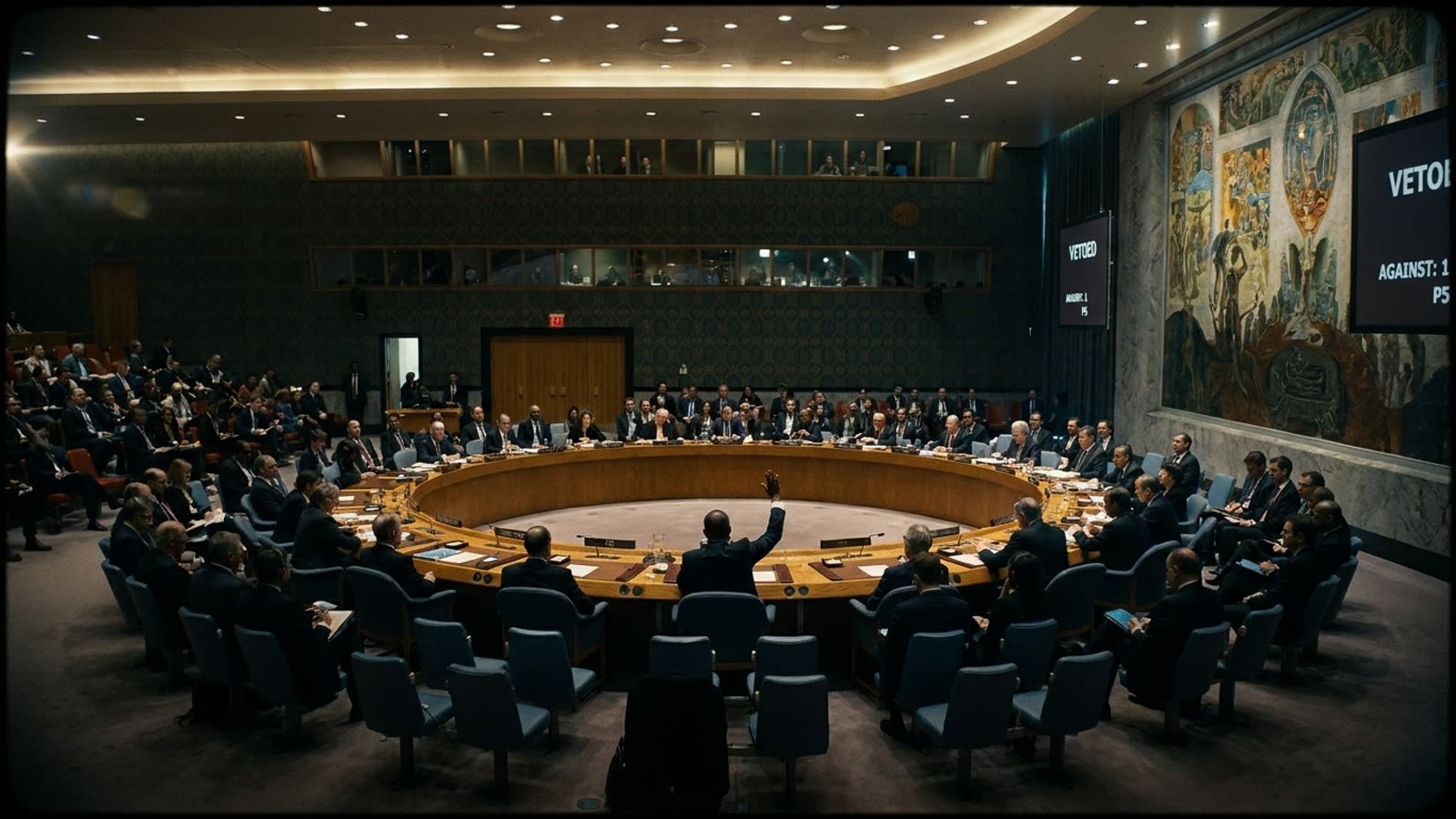
The United Nations was designed to prevent another world war, but its architects were realists, not idealists. They understood that any organization powerful enough to matter would need the buy-in of the most powerful states, and those states would never submit to a body that could overrule them. The solution was elegant in its cynicism: give the victors of 1945 permanent seats and absolute vetoes, then dress the arrangement in the language of collective security.
The result is a system that has endured for eight decades precisely because it was built to protect the interests of its most powerful members, not to deliver justice or efficiency. The veto is not a bug in the international order — it is the feature that keeps the whole enterprise from collapsing under the weight of great-power conflict.
The mechanics of paralysis
The Security Council has fifteen members, but only five matter in existential terms: the United States, Russia, China, France, and the United Kingdom. These permanent members — the P5 — each hold an absolute veto over any substantive resolution. Nine affirmative votes are required to pass a resolution, but a single P5 negative vote kills it regardless of how the other fourteen members vote.
The veto has been exercised hundreds of times since 1945, most frequently by the Soviet Union and later Russia, followed by the United States. The mere threat of a veto often prevents resolutions from ever reaching a vote, a phenomenon scholars call the "hidden veto" that makes the formal count dramatically understate the mechanism's influence. When a P5 member signals opposition, sponsors typically withdraw their proposals rather than suffer public defeat.
Why reform never happens
Every few years, momentum builds for Security Council reform. Proposals range from expanding the P5 to include rising powers like India, Brazil, or Germany, to abolishing the veto for cases involving mass atrocities, to creating new categories of semi-permanent membership. None of these proposals have advanced, and none are likely to.
The reason is structural: amending the UN Charter requires ratification by two-thirds of member states, including all five permanent members. Any reform that dilutes P5 power would be vetoed by the very states whose power it threatens. The P5 have no incentive to share their privilege, and the Charter gives them the tools to prevent it. This is not dysfunction — it is the system working exactly as designed.
The legitimacy paradox
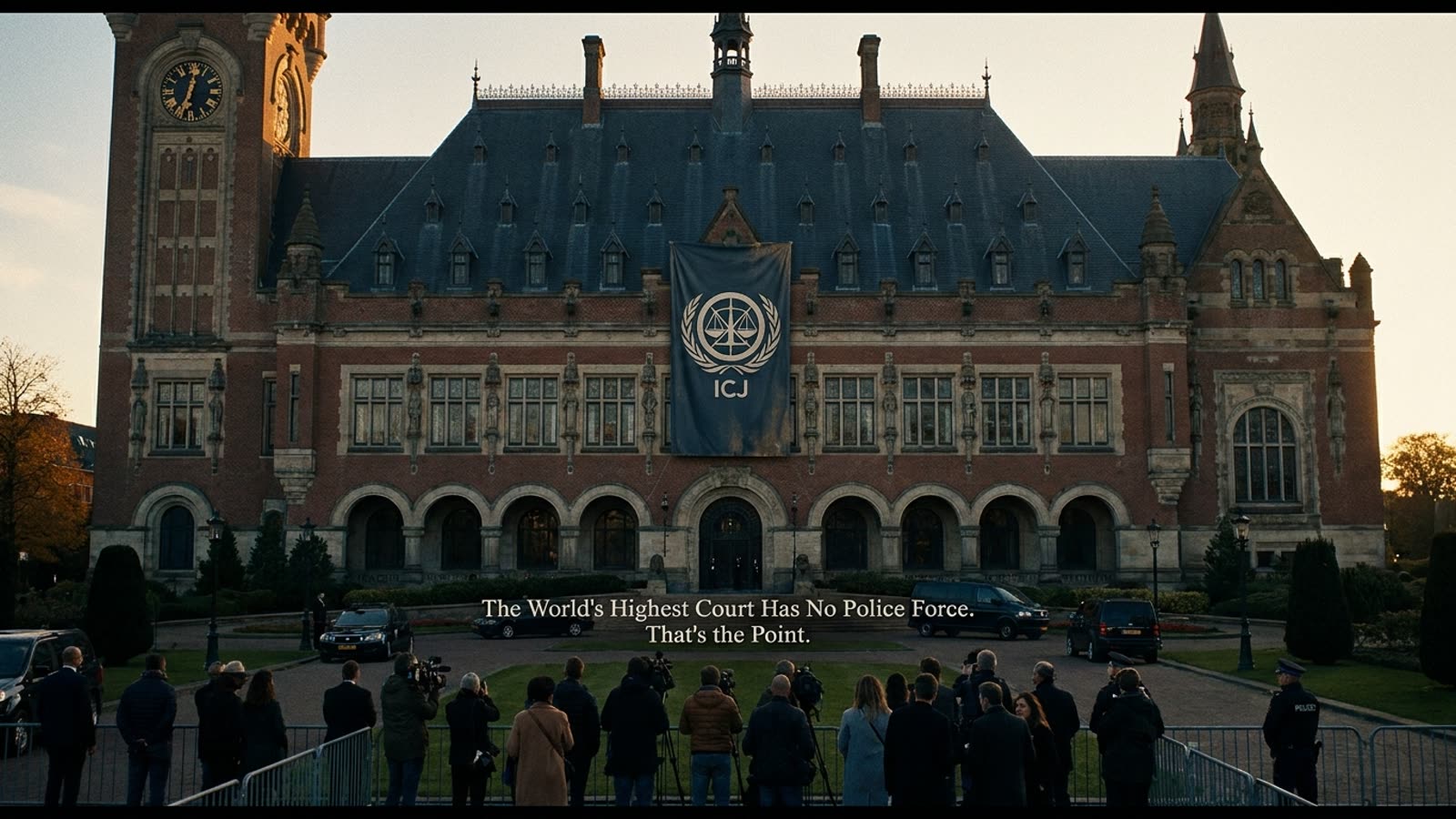
The veto's defenders argue it prevents the Security Council from authorizing actions that major powers would simply ignore, which would fatally undermine the institution's credibility. Better, the argument goes, to have a paralyzed Council than an irrelevant one. There is uncomfortable truth here: a resolution condemning a great power's actions means nothing if that power can veto enforcement and proceed regardless.
Yet this logic creates a corrosive asymmetry. Small and middle powers face the full weight of international law, while P5 members and their allies enjoy de facto immunity. The veto transforms the Security Council from a forum for collective security into a mechanism for laundering great-power preferences as international legitimacy — when convenient — and blocking scrutiny when not.
Our take
The veto is often described as an anachronism, a relic of a vanished world that should be swept away by democratic reform. This misunderstands both its purpose and its durability. The veto exists because the alternative — a Security Council that could compel great powers against their will — would either trigger great-power war or simply be ignored into irrelevance. The architects of 1945 chose paralysis over catastrophe, and their successors have made the same choice every year since. Understanding the veto means accepting that the international order is not a system of laws that binds the powerful, but a set of arrangements the powerful have agreed to tolerate. That is less inspiring than the UN's rhetoric suggests, but considerably more honest.