The most consequential foreign policy decisions rarely begin in cabinet rooms or parliamentary debates. They begin in morning briefings delivered by intelligence officers whose names the public will never know, presenting threat assessments that frame the boundaries of acceptable action before any elected official weighs in.
This is the underappreciated reality of modern statecraft: intelligence agencies do not merely inform policy—they shape the cognitive architecture within which policymakers think. What gets included in a briefing, how risks are weighted, which scenarios are deemed credible, and which are dismissed as unlikely all constitute a form of invisible agenda-setting that operates beneath the threshold of democratic accountability.
The architecture of influence
The daily intelligence briefing, institutionalized across major democracies since the Cold War, represents perhaps the most intimate form of bureaucratic power. In the United States, the President's Daily Brief has evolved from a simple digest into an elaborate multimedia presentation tailored to each commander-in-chief's cognitive preferences. In the United Kingdom, the Joint Intelligence Committee synthesizes assessments from MI6, MI5, and GCHQ into consensus documents that reach the Prime Minister's desk.
The influence operates through selection. Intelligence communities collect vastly more information than any briefing can contain. The analysts who decide what rises to leadership attention—and crucially, what does not—exercise a gatekeeping function that shapes which threats feel urgent and which opportunities seem viable. A leader cannot act on intelligence they never receive.
Framing matters equally. Presenting Iranian nuclear progress as "accelerating" versus "proceeding at expected pace" creates different emotional registers in the reader, even if the underlying data is identical. Describing a foreign leader as "increasingly erratic" versus "facing domestic pressure" suggests different policy responses. These linguistic choices, made by career professionals operating within institutional cultures, precede and constrain political deliberation.
When the frame fails
The Iraq weapons of mass destruction debacle remains the defining cautionary tale. Intelligence agencies did not simply provide bad information—they presented assessments with false confidence, using language like "slam dunk" that foreclosed the uncertainty inherent in their actual knowledge. The failure was not merely analytical but communicative: the framing invited decisiveness when the evidence warranted caution.
Similar dynamics played out in the surprise collapse of the Soviet Union, the Arab Spring uprisings, and the rapid Taliban reconquest of Afghanistan. In each case, intelligence communities had collected relevant information but failed to synthesize it into warnings that penetrated leadership consciousness. The problem was less about knowing than about conveying—about how institutional incentives discouraged delivering unwelcome assessments that contradicted policy momentum.
The accountability gap
Democratic theory assumes that elected officials make decisions and face electoral consequences. Intelligence influence complicates this model. When a president acts on a threat assessment that proves mistaken, accountability diffuses across a chain of analysts, supervisors, and agency heads who face no voters. When an agency's framing biases policy toward intervention or inaction, no mechanism exists for citizens to evaluate whether the underlying intelligence justified the choice.
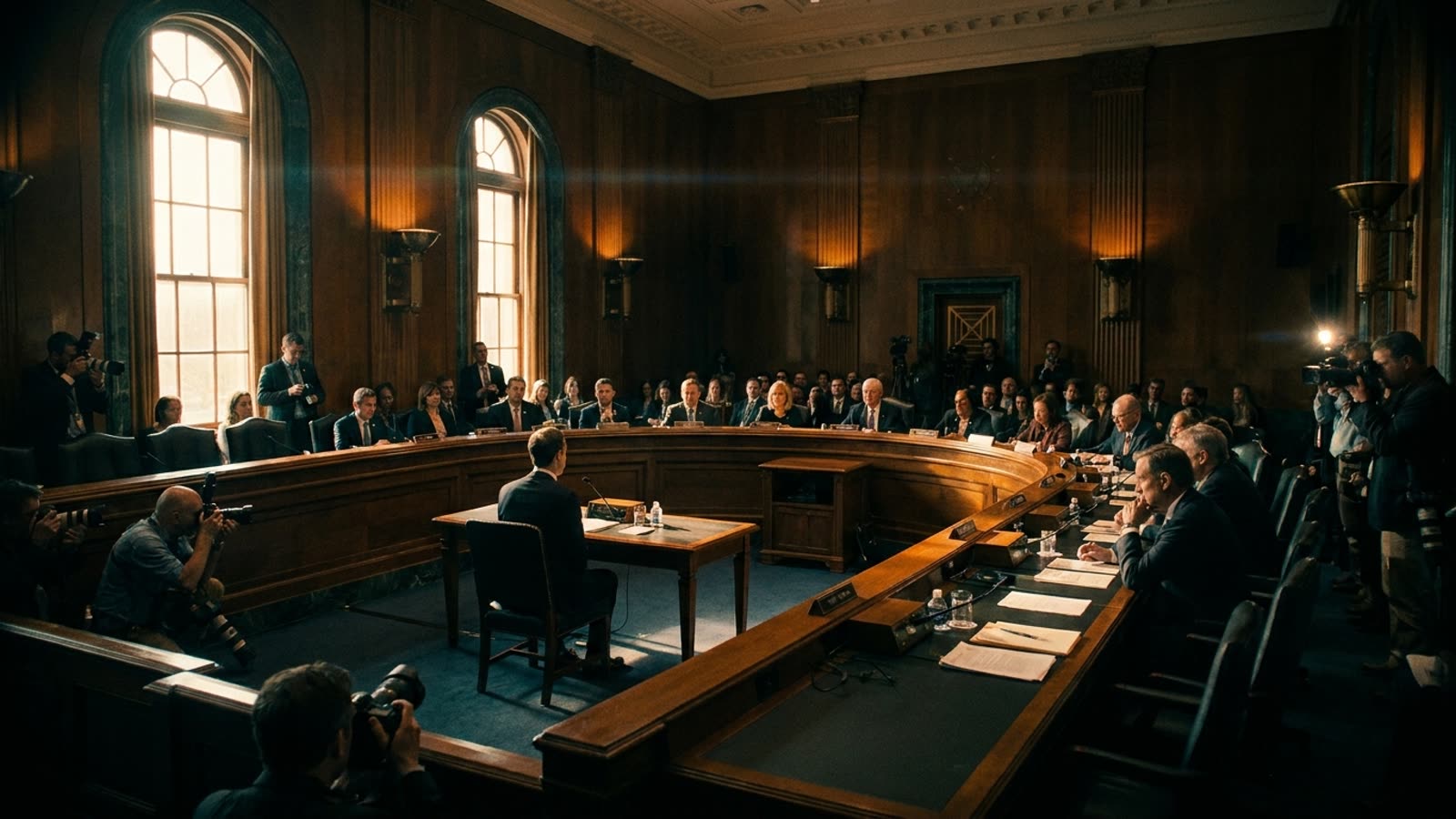
Legislative oversight provides partial remedy. Intelligence committees in functioning democracies can review assessments, question analysts, and investigate failures. But this oversight operates retrospectively and behind closed doors, unable to counterbalance real-time briefing influence. The asymmetry persists: intelligence shapes decisions as they happen; accountability arrives, if at all, years later.
Our take
The intelligence-policy relationship represents democracy's necessary compromise with secrecy, and like most compromises, it satisfies no one fully. We cannot have elected leaders making decisions about threats they cannot see, but neither can we pretend that the professionals who show them what to see are neutral conduits of objective truth. The honest position acknowledges that intelligence briefings are inherently interpretive acts, shaped by institutional cultures, career incentives, and the human tendency to pattern-match new information onto familiar frameworks. Better briefings require not just better intelligence but intellectual humility about the limits of what any analysis can know—and leaders willing to ask what the briefing is not telling them.