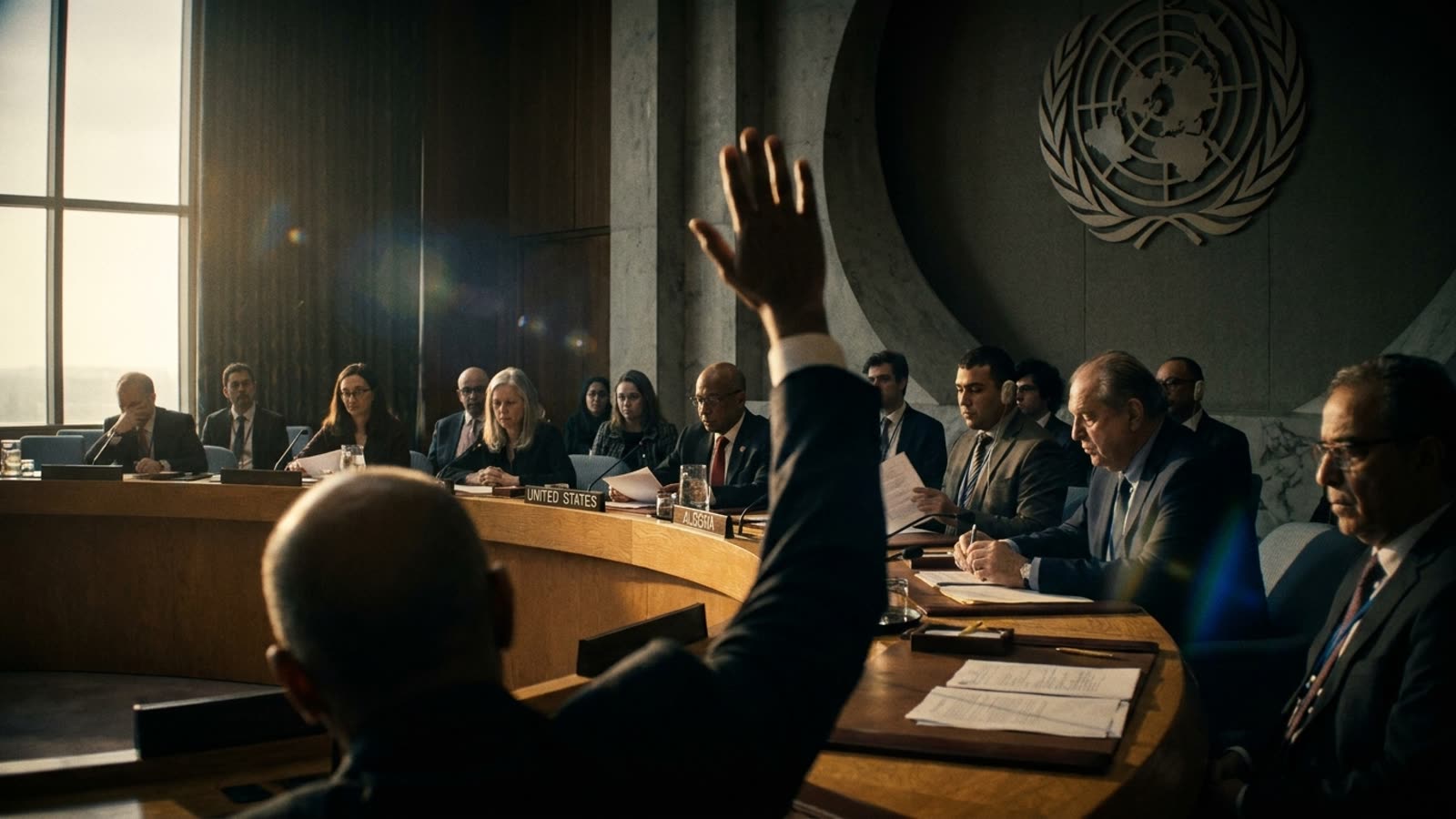
The United Nations Security Council has fifteen members, but only five of them matter in the way that truly counts. The United States, Russia, China, France, and the United Kingdom each possess the power to kill any substantive resolution with a single vote — a privilege they have exercised with varying enthusiasm since 1945, and one that defines the outer limits of what international cooperation can achieve.
This is not a bug in the system. It is the system.
The architecture of paralysis
The veto was the price of admission. When the victorious Allied powers drafted the UN Charter in San Francisco, they understood that no great power would submit to an organization that could compel it to act against its interests. The League of Nations had required unanimity among all members, which produced a different kind of paralysis. The UN's founders chose a more honest arrangement: explicit inequality, with the strongest nations granted formal immunity from collective action.
The mechanism is deceptively simple. Nine of fifteen Council members must vote yes for a resolution to pass, but a single no from any permanent member — the P5, in diplomatic shorthand — vetoes the measure entirely. Abstention does not count as a veto, a distinction that has allowed face-saving compromises for decades. The Soviet Union once boycotted Council sessions rather than abstain, inadvertently permitting the UN's intervention in Korea.
The shadow veto
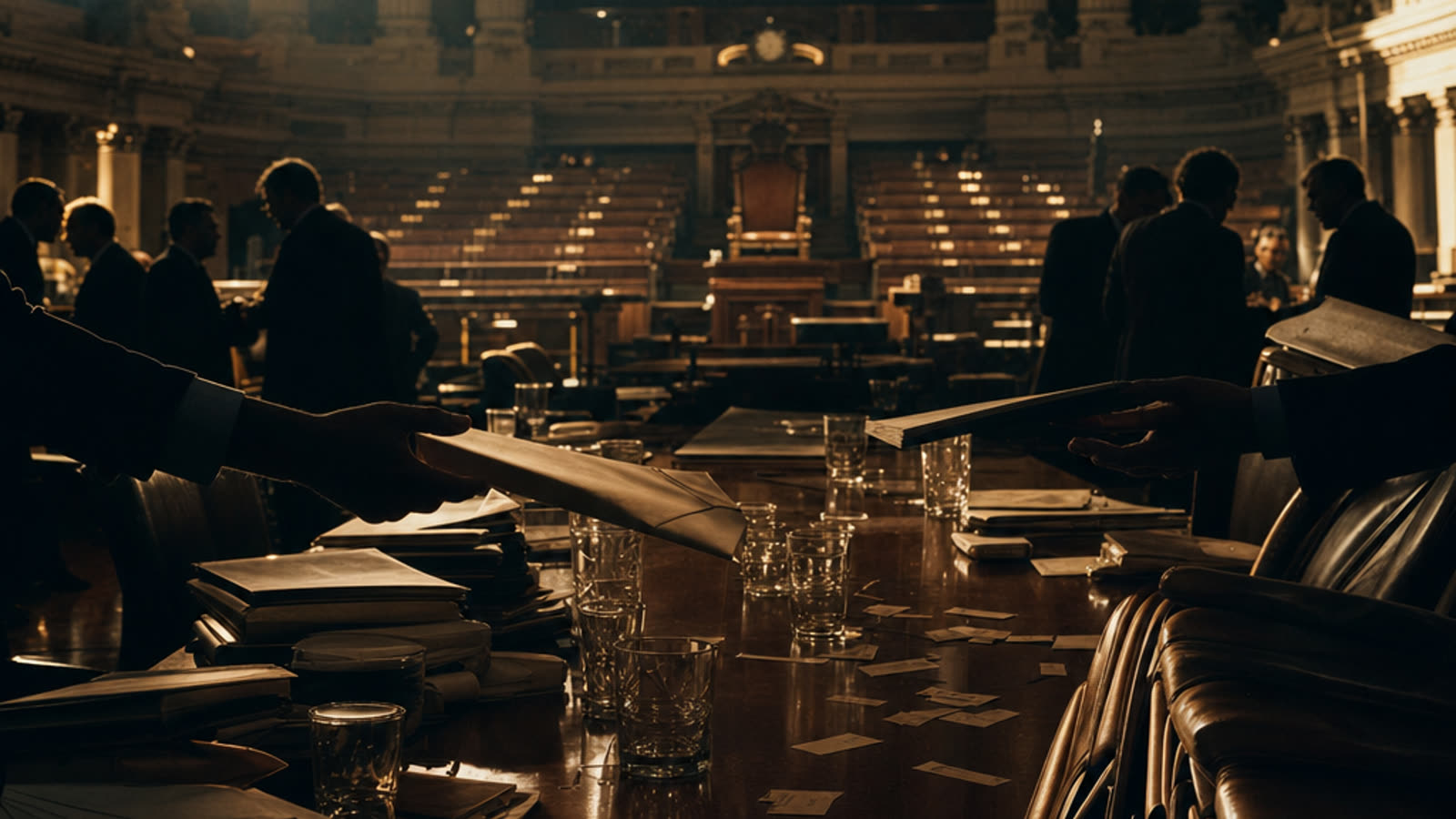
The formal veto count understates the power's true reach. Far more resolutions die in drafting than on the floor. Diplomats call this the "pocket veto" — the quiet word from a P5 delegation that a certain provision will never survive, the draft resolution that is never tabled because everyone knows the outcome. Scholars who study Council dynamics estimate that for every public veto, several potential resolutions are abandoned or gutted in anticipation.
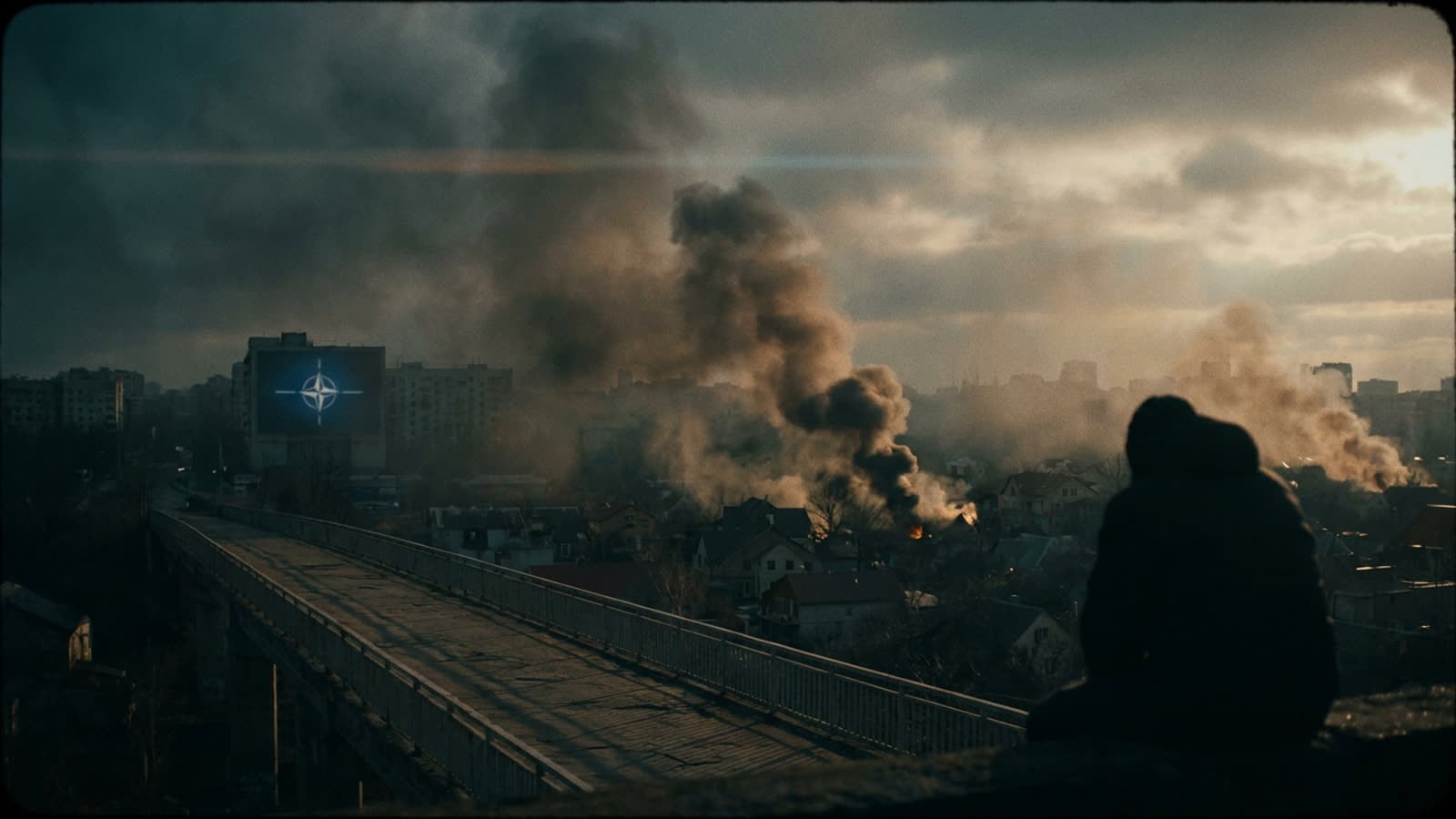
This anticipatory surrender shapes the entire agenda. The Council rarely addresses Taiwan, Tibet, or Chechnya not because members lack opinions but because everyone understands the exercise would be futile. The veto's gravitational pull bends the institution toward conflicts where P5 interests align or where no permanent member cares enough to object.
Reform that never arrives
Proposals to modify or abolish the veto appear with metronomic regularity and fail with equal consistency. Smaller nations argue that the arrangement reflects a world that no longer exists — why France but not India, why Britain but not Brazil? The P5 respond with variations of the same argument their predecessors made in 1945: without the veto, they would simply ignore the institution, and an ignored UN would be worse than an imperfect one.
The most realistic reform proposals do not touch the veto itself but try to shame its use. France has proposed that P5 members voluntarily refrain from vetoing resolutions addressing mass atrocities. The idea has gained rhetorical support and zero traction in practice.
Our take
The veto is often described as a flaw in international governance, but this misunderstands its function. It is a thermostat, not a defect — a mechanism that prevents the UN from attempting actions that would shatter it. The Security Council works precisely because it cannot work on the hardest problems, the ones where great powers have irreconcilable interests. This is cold comfort to populations suffering while the Council is paralyzed, but it explains why the institution has survived eight decades while more ambitious arrangements collapsed. The veto does not prevent peace; it prevents the illusion that peace can be imposed on the unwilling.