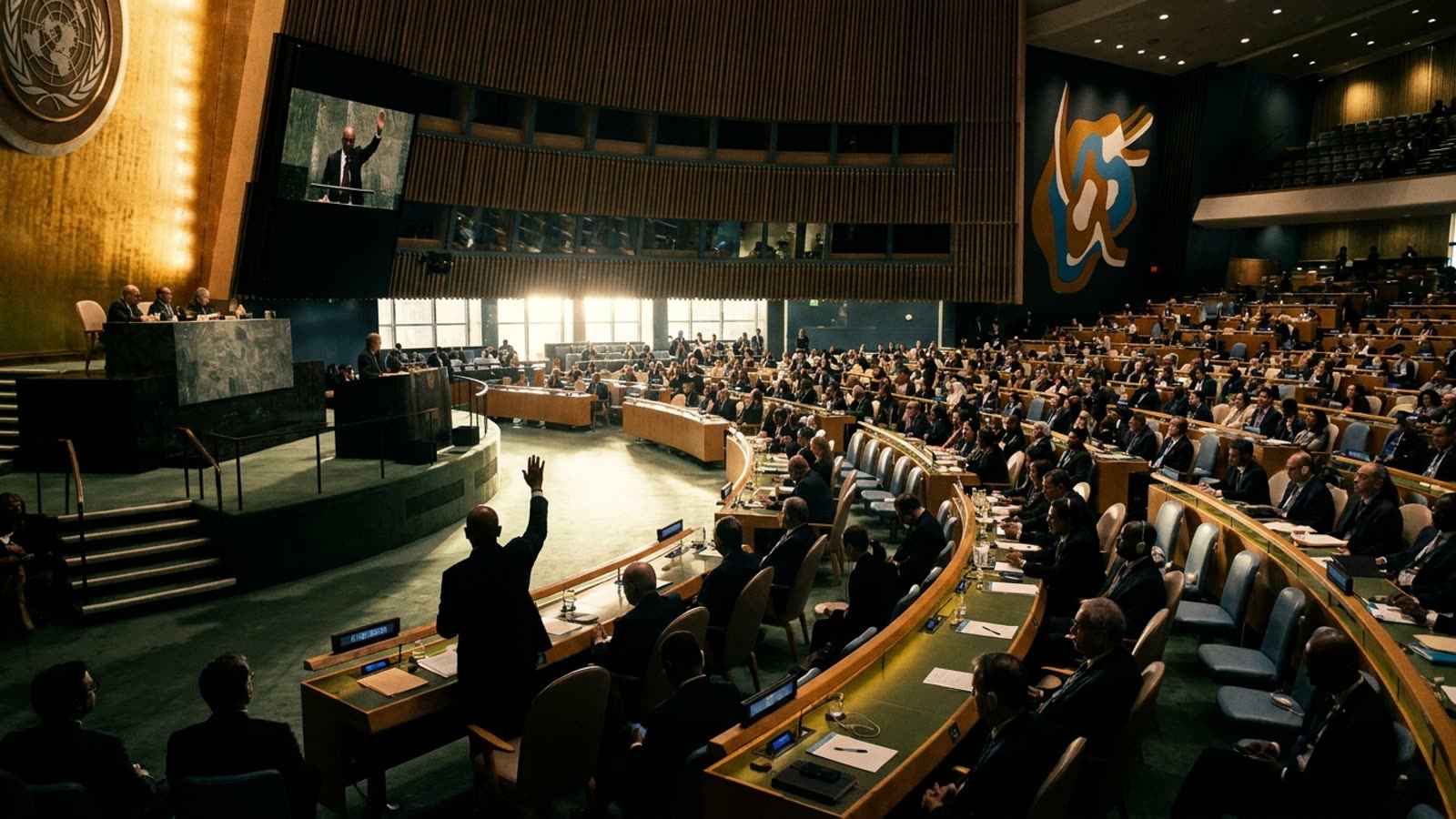
The United Nations Security Council has been called deadlocked, broken, and obsolete more times than anyone can count. These criticisms miss the point entirely. The veto power held by the five permanent members — the United States, Russia, China, France, and the United Kingdom — is not a flaw in the system. It is the system.
The Council's design reflects a brutal but honest premise: great powers will not submit to rules they cannot escape. The founders of the UN in 1945 had watched the League of Nations collapse precisely because it pretended otherwise. When major states found League decisions inconvenient, they simply left. The UN's architects decided that keeping powerful nations inside the tent, even at the cost of giving them an exit from any binding decision, was preferable to another hollow institution.
The mechanics of paralysis
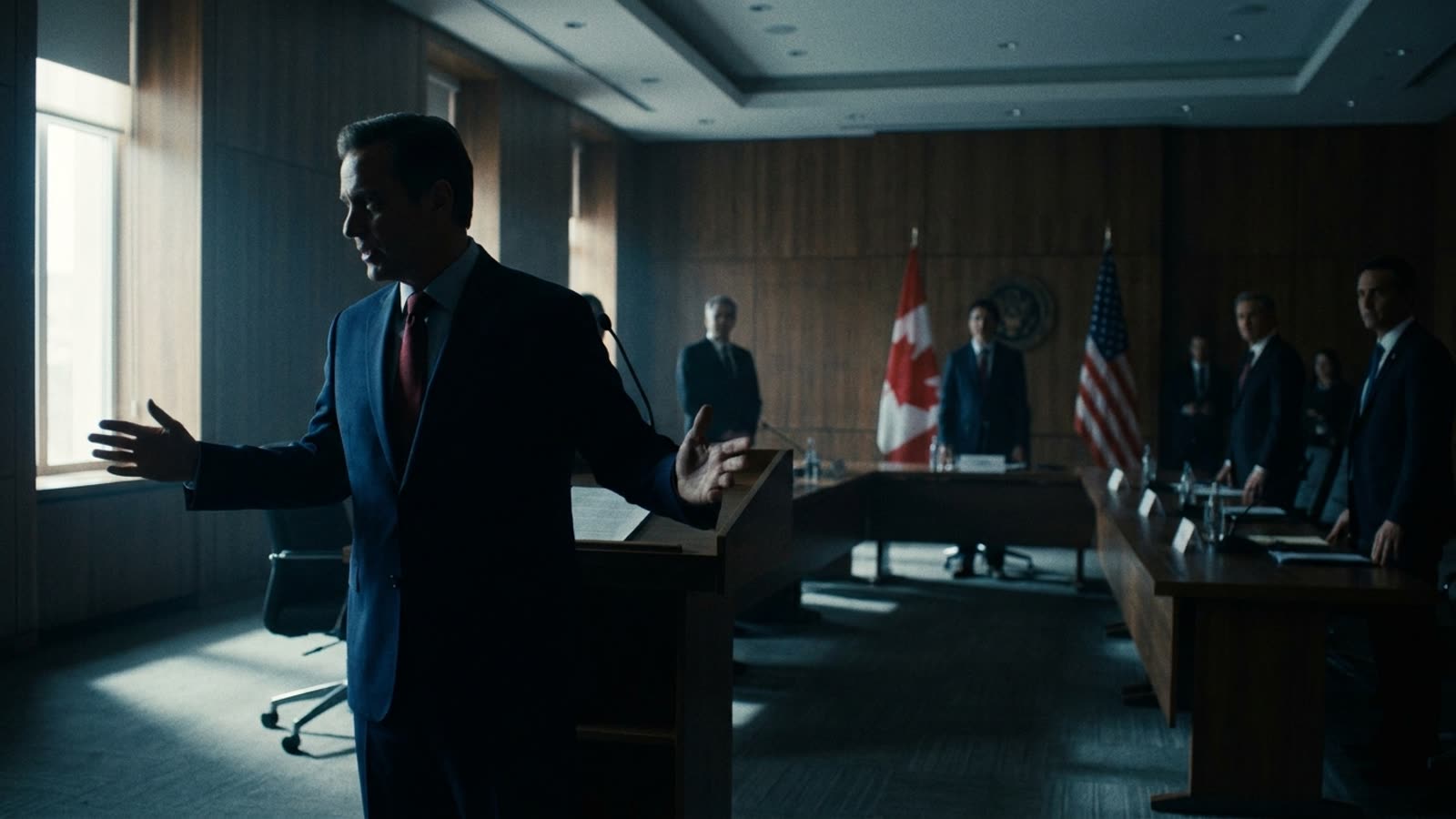
Any of the P5 can kill a substantive resolution with a single negative vote. Abstention does not count as a veto; only an explicit "no" does. This means the mere threat of a veto shapes outcomes long before any formal vote. Draft resolutions are negotiated, diluted, and sometimes abandoned entirely in backroom consultations because sponsors know a veto awaits. The visible vetoes — Russia blocking Syria resolutions, the US shielding Israel from condemnation — represent only the failures of diplomacy to find language everyone can tolerate. The successes are invisible: resolutions that never existed because their futility was obvious from the start.
The veto also creates a two-tier international law. When the Security Council authorizes force, as it did against Iraq in 1990 or in Libya in 2011, that action carries the imprimatur of global legitimacy. When it cannot act, as in Syria or during the Rwandan genocide's critical early weeks, states face a choice between unilateral action and inaction. Neither option is satisfying, which is precisely why P5 members guard their veto so jealously.
Why reform never happens
Proposals to expand the permanent membership or limit veto use have circulated for decades. Germany, Japan, India, and Brazil have all campaigned for permanent seats. African nations argue the continent deserves representation. None of these efforts have succeeded for a simple reason: amending the UN Charter requires ratification by two-thirds of member states, including all five current permanent members. The P5 have no incentive to dilute their own power. Even proposals to merely restrict veto use in cases of mass atrocity have gone nowhere, because each permanent member can imagine a future scenario where it might need that very protection.
The result is an institution frozen in 1945's power distribution. The victors of the Second World War remain the arbiters of collective security, regardless of how global power has shifted since.
Our take
Critics who call for abolishing the veto misunderstand what the UN Security Council is for. It is not a world parliament. It is a forum where the most dangerous states can talk instead of fight, and occasionally agree on action when their interests align. The veto is the price of their participation. Whether that price is worth paying depends on whether you believe the alternative — great powers ignoring international institutions entirely — would be better. History suggests it would not.