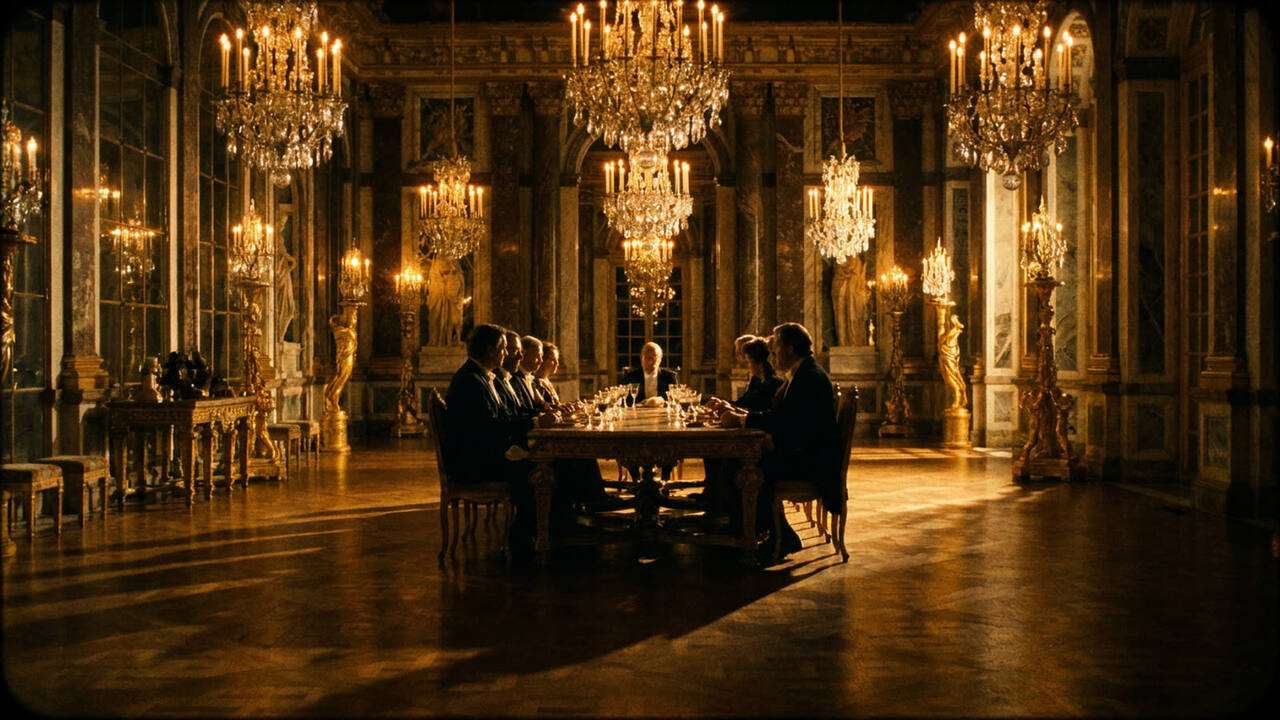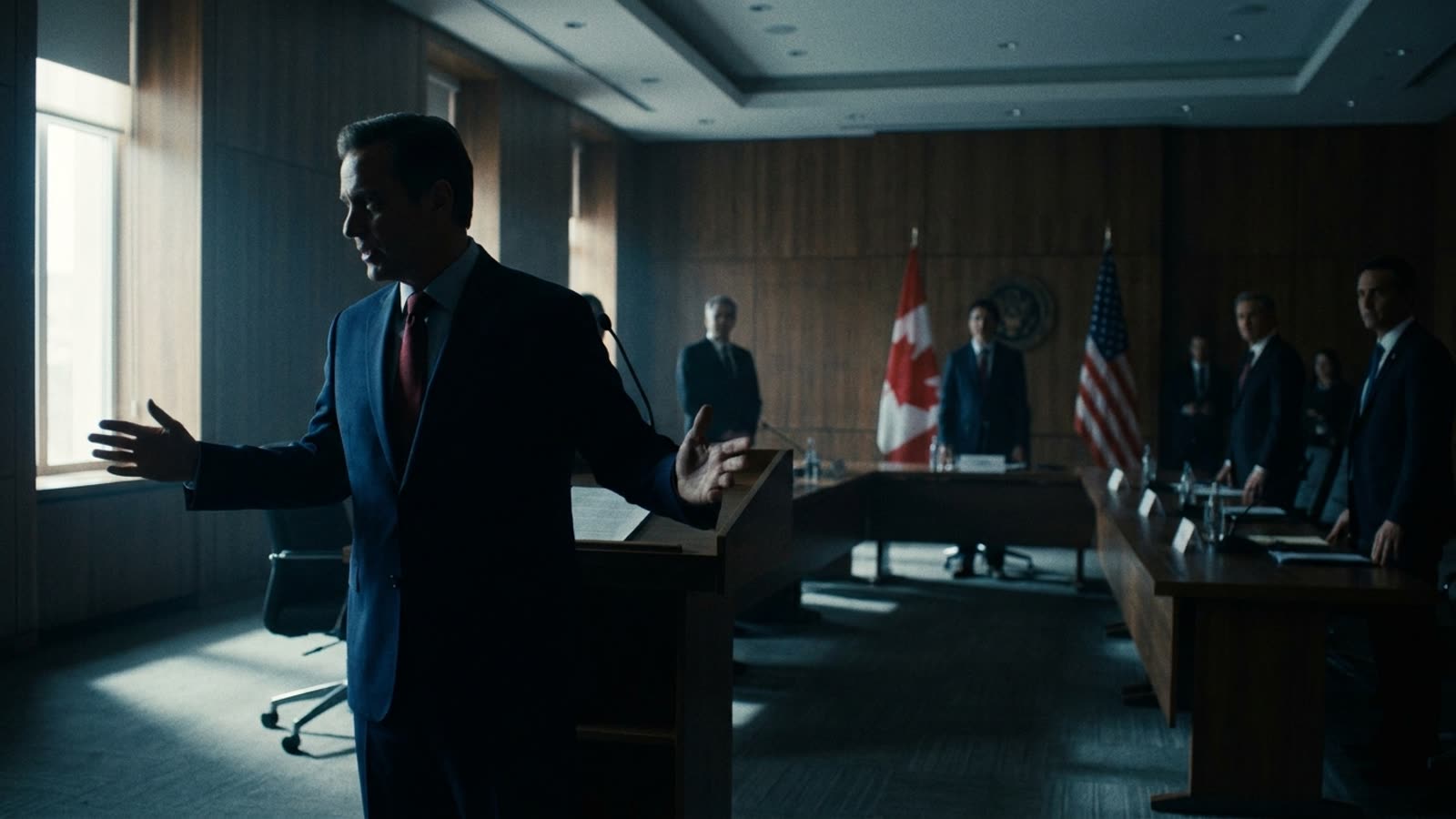
The scene at Versailles this week offered a tableau that would have been unthinkable a decade ago: the leaders of the world's richest democracies nodding along as President Trump announced, without apparent irony, that he is "the boss" of the G7. The remarkable part was not the claim itself—Trump has never been shy about asserting dominance—but the silence that followed from his counterparts.
Fresh from signing a ceasefire agreement with Iran in the palace's gilded halls, Trump pivoted immediately to Ukraine, signaling a dramatic warming toward Kyiv's war aims after months of skepticism. The shift appears less a change of heart than a calculation: with Iran neutralized and American weapons stocks depleted, backing Ukraine offers a way to project strength without committing fresh resources.
The leverage vacuum
Europe's position at this summit has been historically weak. The continent remains dependent on American security guarantees, its own defense industrial base still years from meaningful autonomy. France's Macron and Germany's Scholz arrived hoping to shape the Iran outcome; they left having ratified it. The traditional G7 model—consensus-building among equals—has given way to something closer to a hub-and-spoke arrangement, with Washington at the center.
Trump's "boss" comment, made to reporters between sessions, drew nervous laughter from some aides but no public pushback from allied leaders. British Prime Minister Sunak offered only that the alliance remains "strong and united," a formulation that carefully avoided addressing the power dynamics on display.
Ukraine's unexpected opening
For Kyiv, the summit represents a strange windfall. Trump's previous rhetoric suggested a president eager to wind down American involvement in European conflicts. But the Iran war appears to have recalibrated his thinking. Publicly embracing Ukraine's territorial aims now costs him little—the weapons pipeline was already flowing—while positioning him as a wartime leader on multiple fronts.
Zelensky, who was not present at Versailles, issued a statement thanking Trump for his "renewed commitment" without acknowledging the months of uncertainty that preceded it. Ukrainian officials privately express relief tinged with wariness; this president's positions have reversed before.
The new transatlantic math
What Versailles revealed is a G7 that has quietly accepted American primacy as the price of cohesion. The alternative—a fractured West unable to coordinate on Iran, Ukraine, or China—appears worse to European capitals than deference to Washington's whims. Whether this bargain holds through a second Trump term, or a potential successor, remains the open question.
Our take
Trump's "boss" declaration was crass, but it was also accurate. The G7 has become less a council of equals than a forum where America sets the agenda and allies negotiate the margins. This is not entirely Trump's doing—European strategic drift predates him—but he has accelerated the trend with characteristic bluntness. The question for London, Paris, and Berlin is whether they will use the next four years to rebuild genuine leverage, or simply hope the next American president is more diplomatic about the same underlying reality.