Every few years, a story surfaces that makes diplomatic immunity seem like an absurd anachronism: a diplomat's family member kills someone in a traffic accident and leaves the country; an embassy refuses to pay millions in parking tickets; a consular official is accused of serious crimes and walks free. The public reaction is predictable outrage, followed by vague assurances that "international law" requires this arrangement. What rarely follows is any explanation of why.
The answer lies not in practical necessity but in a legal fiction invented when ambassadors were personal representatives of kings, and insulting one meant insulting the crown itself. We have updated almost nothing since.
The Vienna framework
The governing documents are the Vienna Convention on Diplomatic Relations of 1961 and its consular counterpart from 1963. Together they codify a hierarchy of protection. At the top sit ambassadors and their immediate staff, who enjoy nearly absolute immunity from criminal prosecution, civil lawsuits, and even traffic enforcement. Their residences cannot be entered by host-country authorities. Their communications are inviolable. Below them, consular officers receive more limited protections, generally covering only acts performed in their official capacity.
The theory is reciprocity: every country wants its own diplomats protected abroad, so every country agrees to protect foreign diplomats at home. In practice, this creates a two-tier system of justice that most citizens never encounter until something goes wrong.
The pressure valves
Countries are not entirely powerless. A host nation can declare any diplomat persona non grata and demand their departure, though this is a blunt instrument typically reserved for espionage cases or severe diplomatic ruptures. The sending country can also waive immunity voluntarily, permitting prosecution—though this happens rarely and usually only when the evidence is overwhelming and the political cost of refusal is high.
There is also a practical ceiling: diplomatic missions depend on local cooperation for everything from utilities to security. A country that abuses immunity too flagrantly may find its embassy staff subject to constant minor inconveniences that make the posting untenable. These informal pressures matter more than the formal rules suggest.
Our take
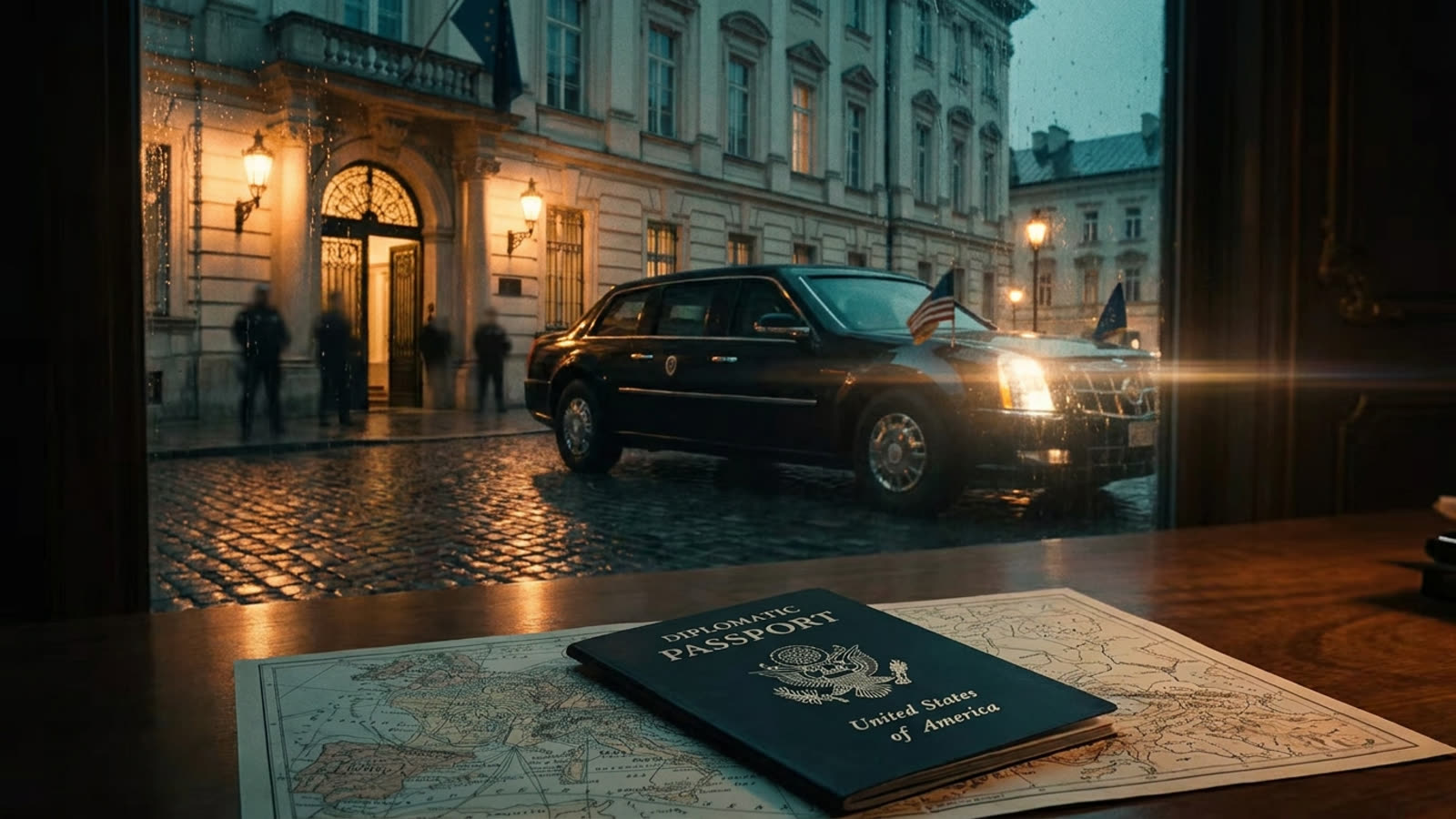
Diplomatic immunity is a relic dressed up as a principle. It made sense when travel took months and communications took longer, when an ambassador truly embodied his sovereign in a foreign land. Today it persists because no country wants to be the first to weaken protections its own diplomats enjoy. The result is a system everyone quietly resents and nobody reforms—a gentleman's agreement among states, paid for occasionally by ordinary people who happen to cross paths with someone carrying the right passport.