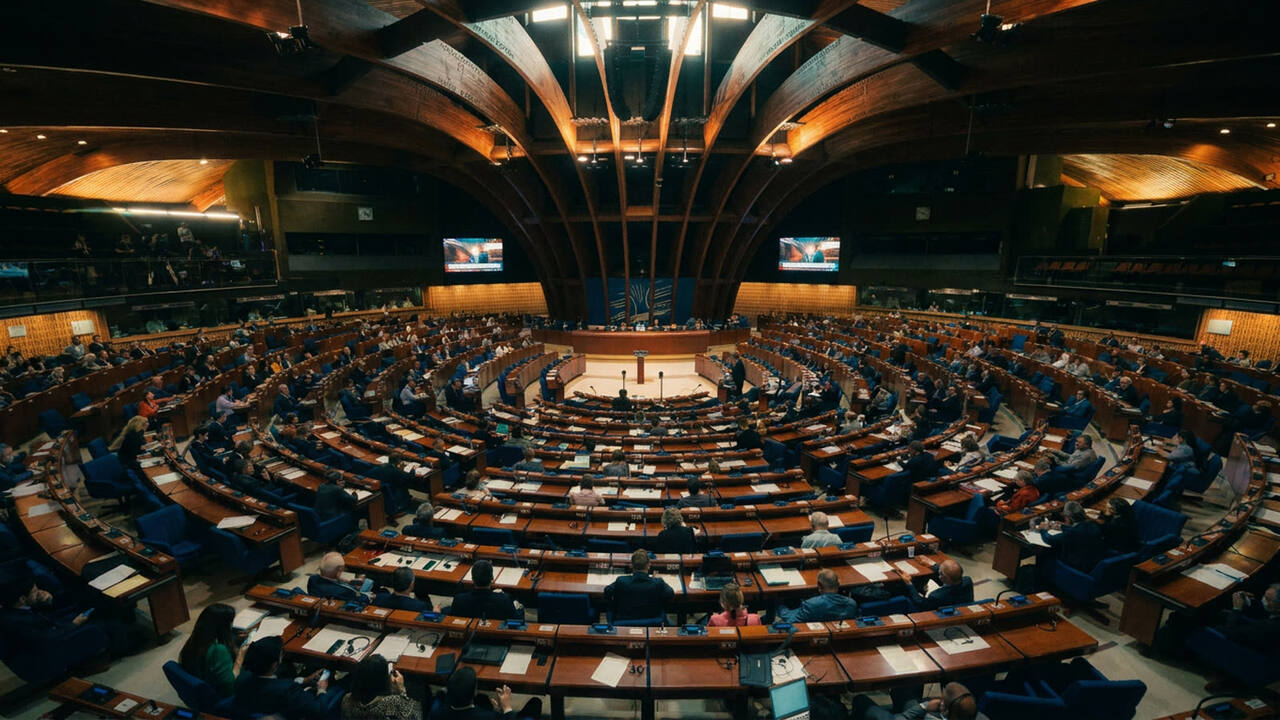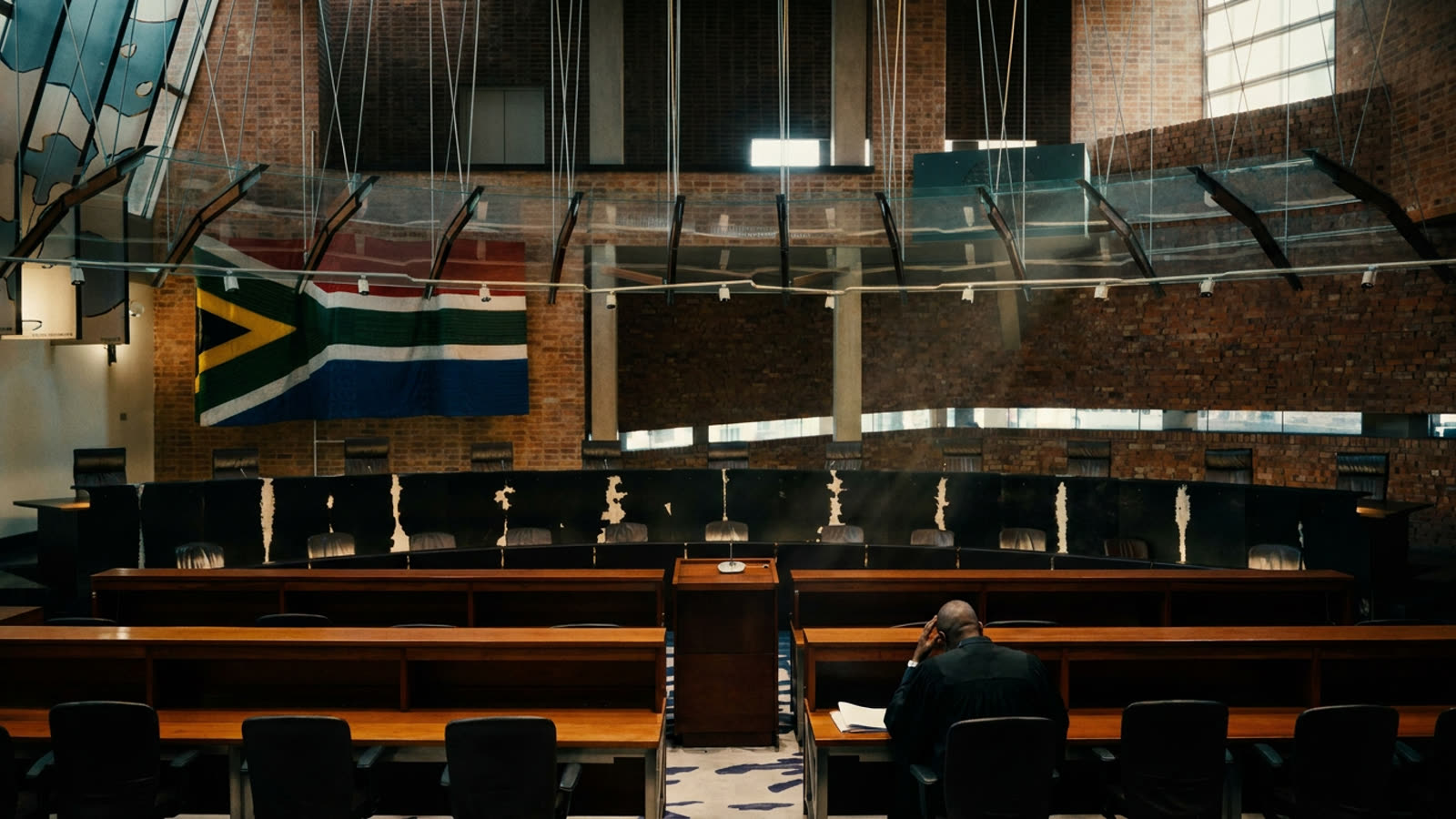
The most consequential political decisions in many democracies are no longer made by elected parliaments but by robed judges who serve for decades and answer to no constituency. This is not a bug in constitutional design; it is an intentional feature that has grown far beyond its original scope, transforming courts into de facto super-legislatures whose rulings on everything from climate policy to electoral boundaries carry more weight than any parliamentary vote.
The phenomenon is global and accelerating. Constitutional courts now routinely strike down budgets, mandate social spending, invalidate referenda, and reshape the boundaries of citizenship itself. What began as a mechanism to prevent tyranny of the majority has become something more ambiguous: governance by judicial interpretation, where the meaning of foundational texts is perpetually contested by unelected arbiters.
The German Model and Its Disciples
The Bundesverfassungsgericht, established in 1951, pioneered the modern constitutional court as a specialized institution separate from the ordinary judiciary. Its framers, haunted by how easily the Weimar constitution had been subverted, created a body with extraordinary powers: the authority to ban political parties, to review laws before they take effect, and to hear complaints from individual citizens who believe their constitutional rights have been violated.
This model spread rapidly through post-war Europe and then to democratizing nations worldwide. South Africa's Constitutional Court, Colombia's Corte Constitucional, and South Korea's Constitutional Court all draw heavily from the German template. Each has become remarkably activist by historical standards. Colombia's court has mandated specific healthcare coverage and intervened in peace negotiations. South Africa's has ordered the construction of housing and the provision of antiretroviral drugs. These are not interpretations of law so much as acts of governance.
The Legitimacy Paradox
Constitutional courts derive their authority from the very documents they interpret, creating a circular logic that elected politicians struggle to challenge. When a court strikes down legislation as unconstitutional, it claims to speak for the founders, the framers, the people who ratified the constitution—voices conveniently silent and therefore infinitely interpretable.
This creates what scholars call the counter-majoritarian difficulty: how can judicial review be reconciled with democratic self-governance? The standard answer—that courts protect minority rights against majority overreach—grows less satisfying when courts rule on tax policy, environmental regulation, and the structure of government itself. At some point, protection of rights shades into substitution of judgment.
The difficulty is compounded by appointment politics. In systems where judges serve for life or lengthy terms, a single administration can shape jurisprudence for a generation. The court becomes a temporal anomaly, enforcing the preferences of a political coalition that may have lost power decades earlier. This is not necessarily illegitimate, but it is certainly not democratic in any straightforward sense.
When Courts Overreach—and When They Don't
The most revealing moments come when courts confront their own limits. Hungary's Constitutional Court, once among Europe's most assertive, was systematically defanged after Viktor Orbán's government packed it with loyalists and stripped its jurisdiction. Poland's constitutional tribunal became a tool of the ruling party rather than a check on it. Israel's Supreme Court faces an ongoing legitimacy crisis as successive governments challenge its authority to review basic laws.
These confrontations expose a truth that legal formalism obscures: constitutional courts are powerful only so long as other institutions accept their authority. They command no armies, control no budgets, and depend entirely on a shared norm that their rulings must be obeyed. When that norm erodes, the court's power evaporates.
Our take
Constitutional courts are neither the guardians of democracy their defenders claim nor the usurpers their critics decry. They are institutions that have grown into a vacuum left by dysfunctional legislatures and polarized politics, filling gaps that elected bodies refuse to address. The question is not whether judicial review is legitimate—that ship sailed long ago—but whether democracies can develop mechanisms to hold courts accountable without destroying their independence. The honest answer is that no one has figured this out yet, and the improvisational quality of constitutional governance is likely to define politics for decades to come.