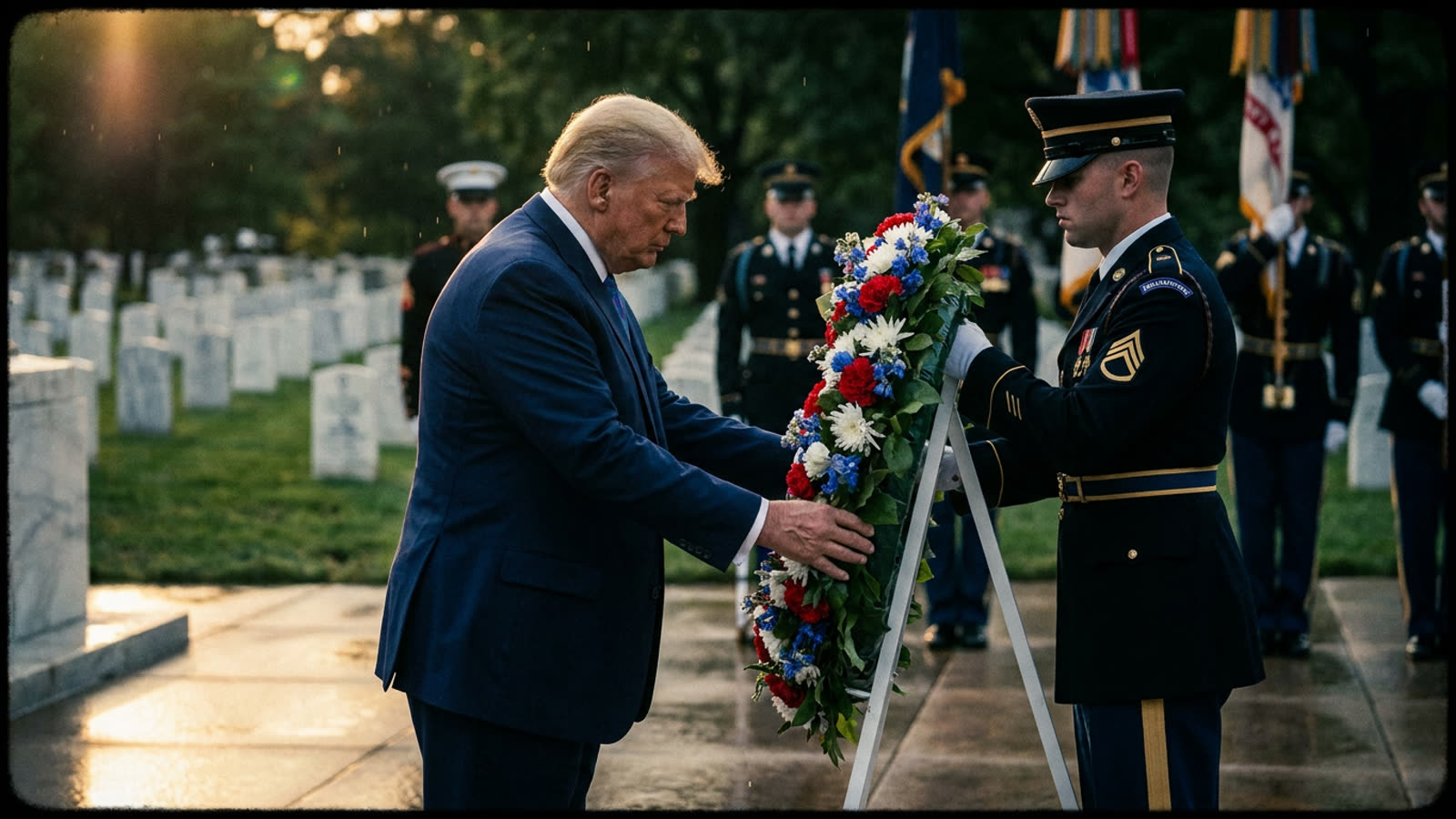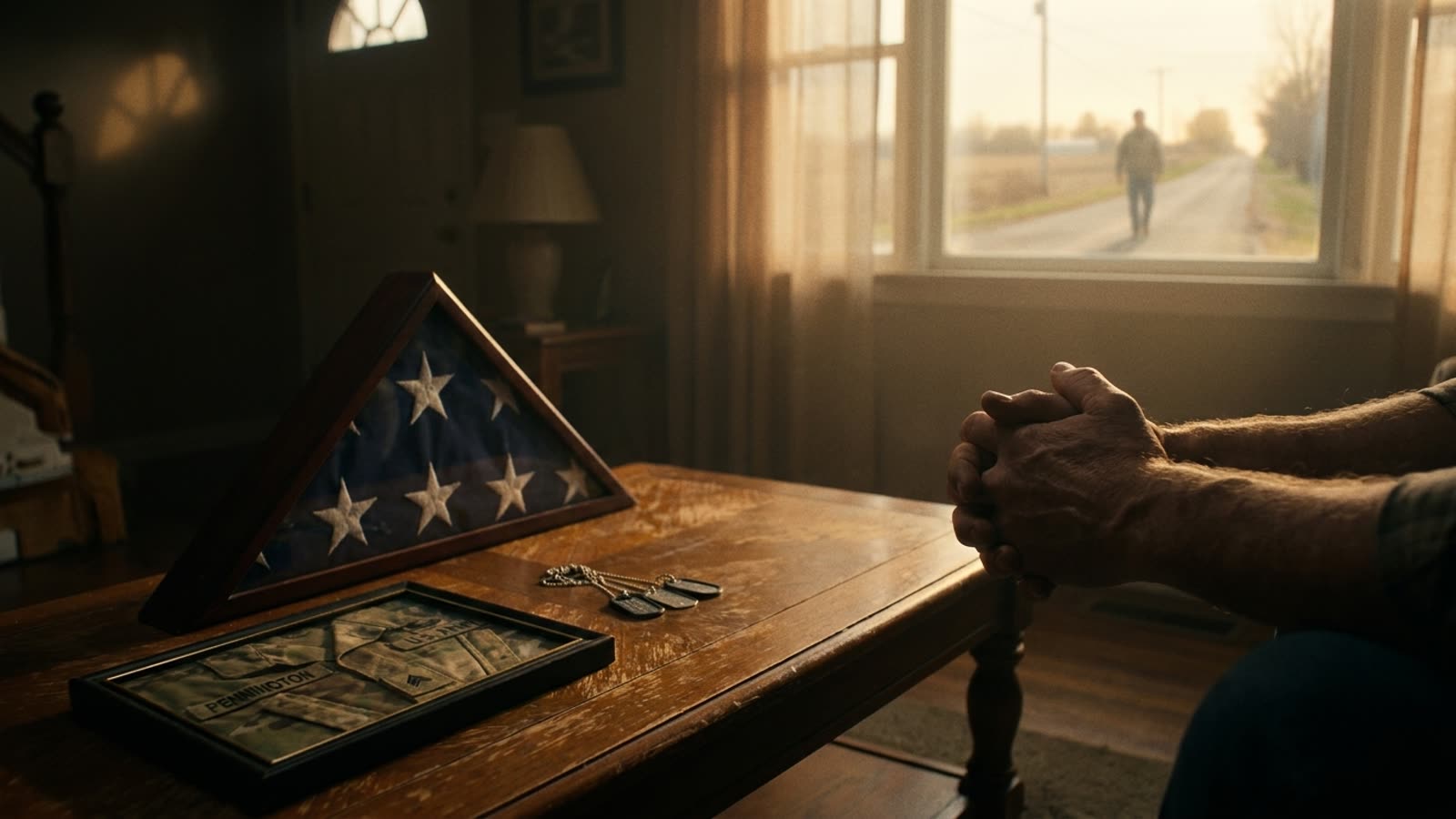
Wars are measured in territory gained, missiles intercepted, and diplomatic breakthroughs. They are also measured in folded flags, in phone calls that shatter ordinary mornings, in the particular silence of a house that will never again hear a familiar voice. Thirteen American service members have died in the conflict with Iran—a number small enough to recite, large enough to devastate.
The arithmetic of sacrifice
Thirteen is not a large casualty figure by the grim standards of American military history. It is smaller than a single bad day in Vietnam, a fraction of the toll from two decades in Afghanistan. And yet each of those thirteen represents a universe extinguished: the Marine from Ohio who coached Little League, the Navy corpsman who planned to become a nurse, the Air Force pilot whose daughter just learned to walk. The speed of this conflict—weeks rather than years—has compressed the mourning into an almost unbearable density. Families received condolence visits while cable news still debated whether the strikes constituted a war at all.
A conflict without a draft, without a shared burden
The all-volunteer force means that fewer than one percent of Americans bear the weight of these deployments. Most citizens will never know someone who served in the Iran theater. This asymmetry shapes public perception: the war registers as a news event, a stock-market variable, a political talking point. For thirteen families, it is none of those things. It is simply the end. The disconnect is not new—it defined Iraq and Afghanistan as well—but the brevity of the Iran engagement makes it starker. There has been no time for yellow-ribbon campaigns, no cultural reckoning, no Ken Burns documentary. Just names, released in Pentagon statements that scroll past on a phone screen.
Peace as a complicated mercy
If the emerging deal holds, the conflict will conclude before most Americans can locate the Strait of Hormuz on a map. That is, in one sense, a mercy: fewer caskets, fewer amputees, fewer families torn apart. In another sense, it risks rendering the sacrifice invisible. The dead will not be commemorated with a wall on the National Mall. Their war may become a footnote, a parenthetical between larger crises. The families will be left to grieve in a country that has already moved on to the next headline.
Our take
The politics of the Iran deal will be debated for years—whether Trump secured a genuine breakthrough or merely a pause, whether the terms vindicate or betray American interests. Those arguments matter. But they should not obscure a simpler truth: thirteen people who swore an oath are not coming home. A nation that asks so few to fight owes them, at minimum, the courtesy of remembering their names.