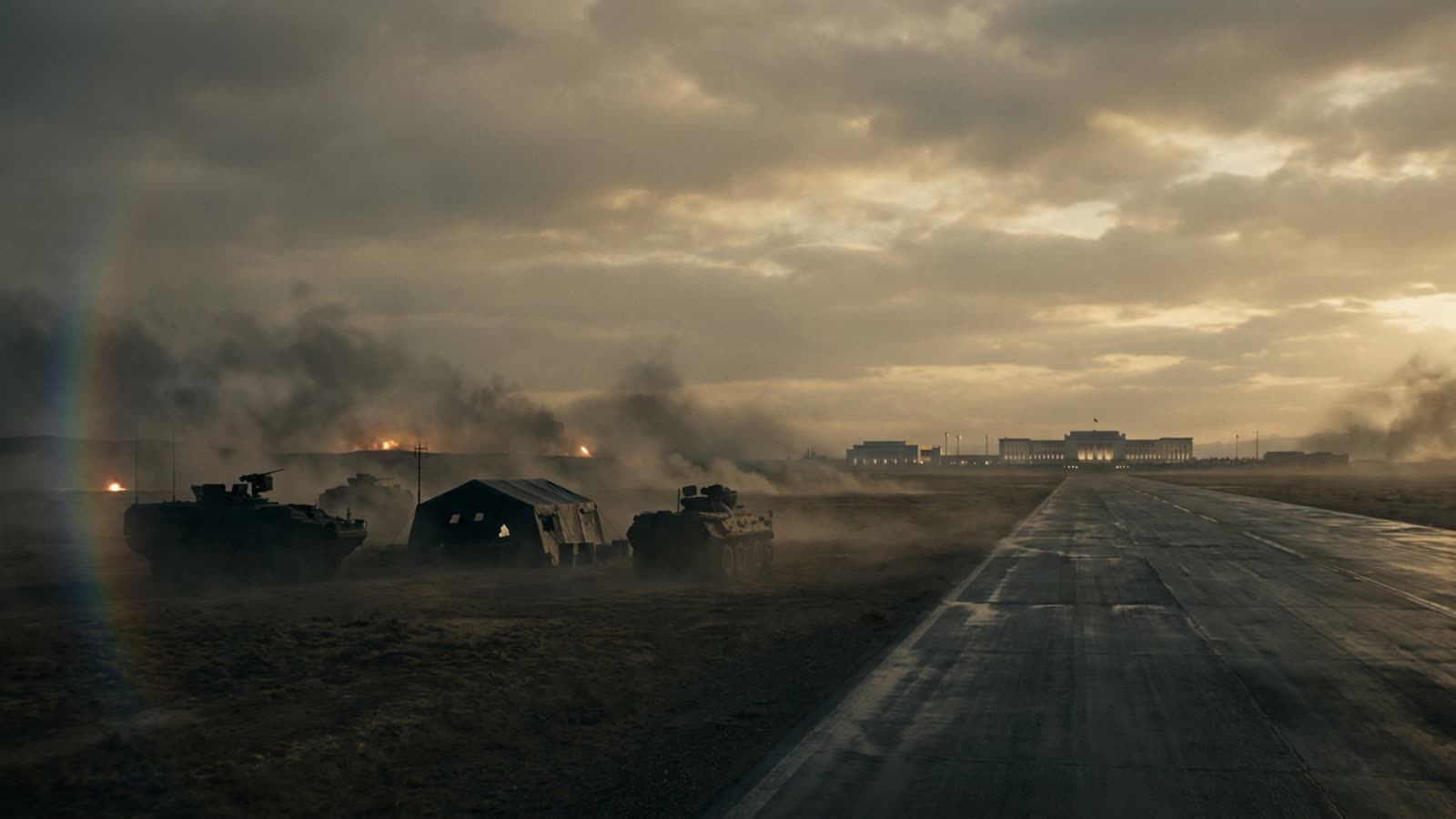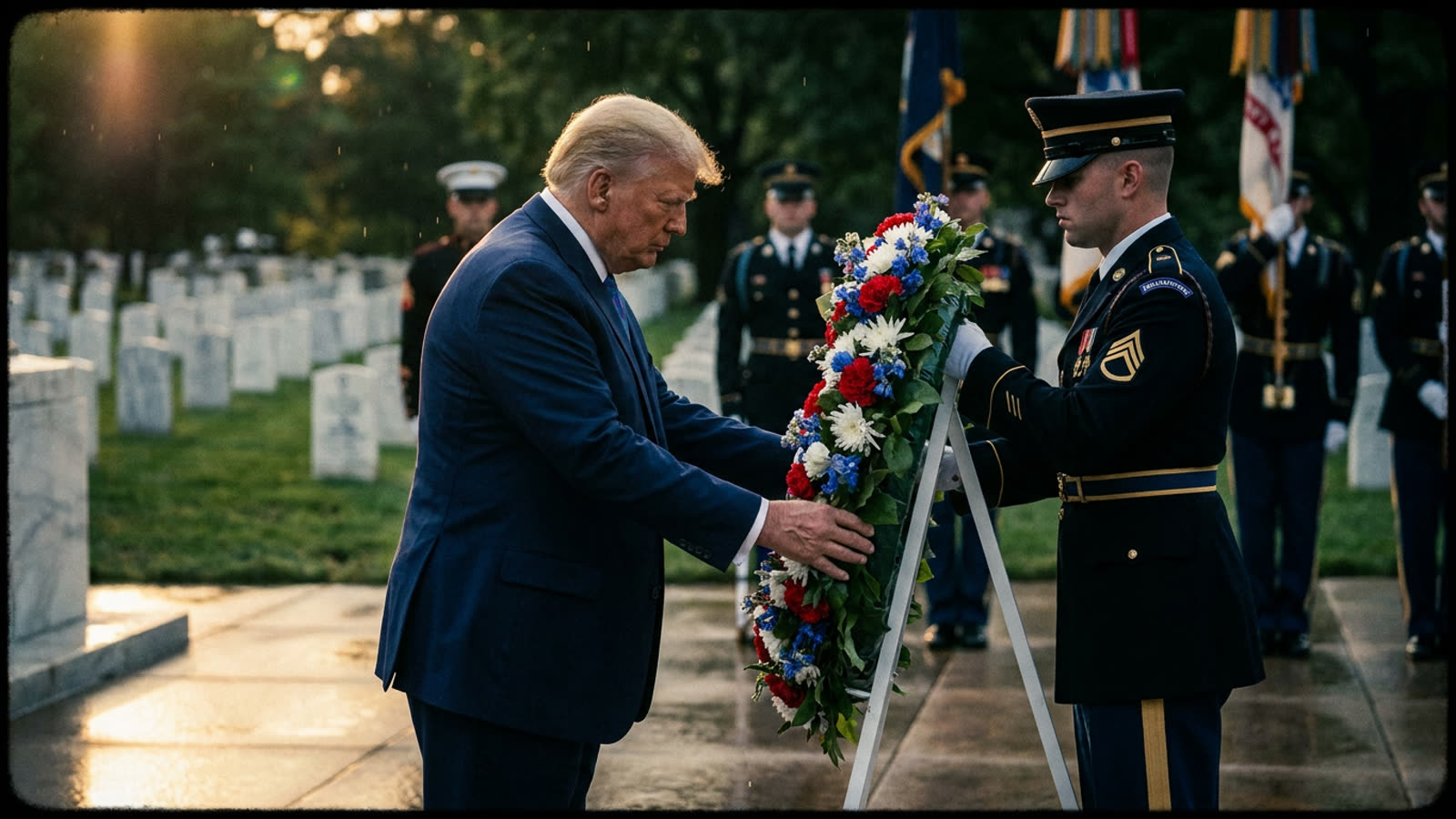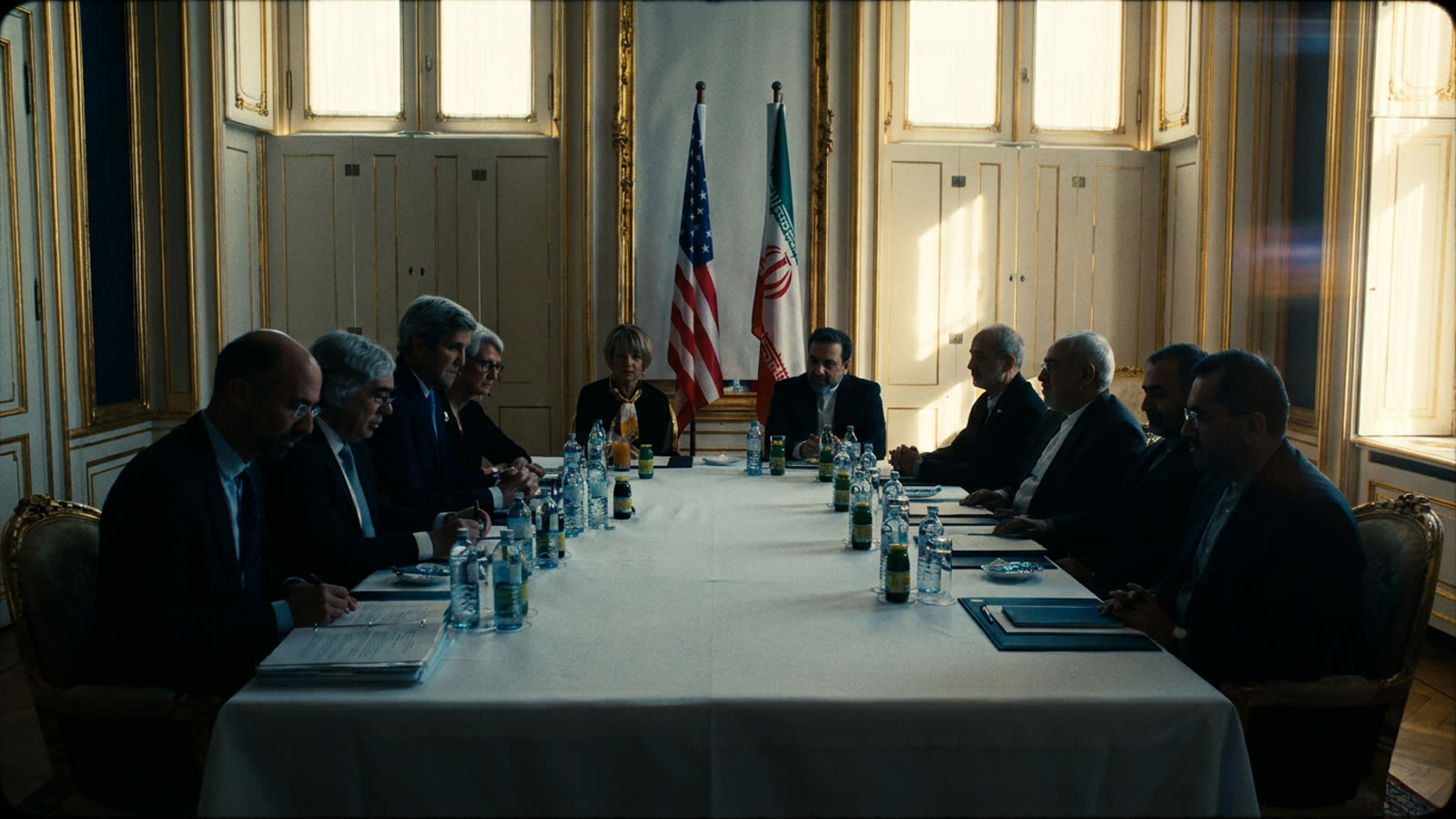
The Iran peace process has entered that peculiar phase where everyone declares victory while the shooting continues. President Trump announced a breakthrough agreement over the weekend; Iran's foreign ministry confirmed "intense talks" with Qatar's prime minister in Doha; and Israel responded by expanding military operations into southern Lebanon. If this is what peace looks like, war must be exhausting.
The disconnect between Washington's triumphalism and the region's kinetic reality reflects a fundamental tension in the negotiations. Trump wants a deal he can contrast with Obama's 2015 nuclear agreement—something broader, tougher, and crucially, something that bears his name. Iran wants sanctions relief and a face-saving exit from a conflict that has stretched its economy and military beyond sustainable limits. Israel wants neither party to get what they want if it means Hezbollah emerges intact on its northern border.
The Doha channel
Qatar's role as intermediary is both logical and fraught. The Gulf state maintains working relationships with Tehran, Washington, and various Palestinian factions—a diplomatic promiscuity that makes it useful precisely because it offends everyone equally. Prime Minister Mohammed bin Abdulrahman Al Thani has reportedly hosted three rounds of Iranian envoys in the past week, with discussions focused on the sequencing of sanctions relief and the verification mechanisms for any nuclear commitments.
The sticking points remain what they have always been: Iran insists on immediate economic relief before any inspections regime takes effect; the U.S. demands verifiable compliance first. This is not a gap that clever drafting can bridge. It requires one side to trust the other, and trust is not abundant in the Persian Gulf.
Israel's parallel war
Jerusalem's decision to expand operations in Lebanon while peace talks proceed in Doha is not sabotage—it is strategy. Israeli officials have made clear that any agreement between Washington and Tehran that does not address Hezbollah's arsenal is, from their perspective, no agreement at all. By intensifying pressure on Iran's most capable proxy, Israel is attempting to shape the terms of a deal it was not invited to negotiate.
The risk is obvious: a miscalculation that draws Iran into direct retaliation, collapsing the diplomatic process entirely. But Israeli planners appear to have concluded that the greater risk is a premature peace that leaves Hezbollah's estimated 150,000 rockets pointed at Haifa and Tel Aviv.
Our take
The Trump administration wants a signing ceremony before the midterms. Iran wants to survive economically. Israel wants to fight a war inside someone else's peace process. These objectives are not compatible, but they are all being pursued simultaneously, which means the next seventy-two hours in Doha matter more than anyone in Washington is prepared to admit. The deal is close enough to announce and far enough from implementation that it could still collapse over a single mistranslated clause. That is not pessimism. That is the Middle East.