The transatlantic trade in political risk has rarely been so explicit. As American ballot counters confirmed the extent of Tuesday's Democratic rout, European equity desks did something they had not done in months: they bought with conviction. The Stoxx Europe 600 climbed to within a whisker of its all-time high on Thursday, a rally driven less by any improvement in European fundamentals than by relief that Washington's capacity for economic self-harm has been curtailed.
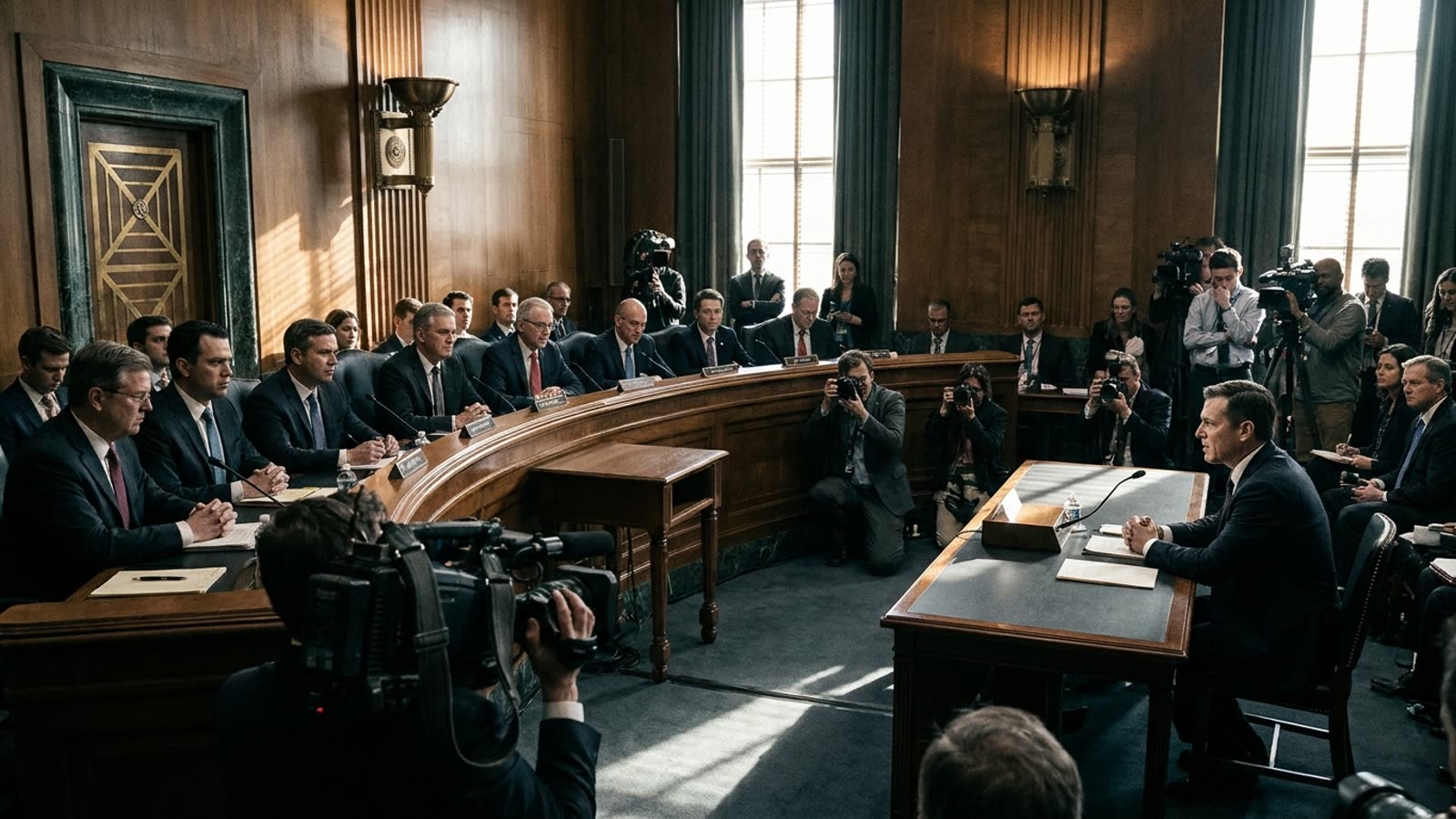
The logic is straightforward. A Republican administration that had threatened blanket tariffs, flirted with dollar devaluation, and kept markets guessing on trade enforcement now faces a hostile Congress. Investors are betting that divided government means gridlock, and gridlock means the status quo — which, for European exporters and multinationals with American exposure, is vastly preferable to the alternative.
The tariff discount evaporates
For much of 2026, European equities traded at a persistent discount to their American counterparts, a gap analysts attributed in part to tariff anxiety. The White House's on-again, off-again posture toward European goods — cars, steel, luxury products — had made forecasting impossible. German automakers, French aerospace suppliers, and Italian machinery firms all suffered from the uncertainty tax.
That discount is now compressing rapidly. With Democrats controlling the House and likely the Senate, any new tariff regime would require legislative cooperation that simply will not materialise. The market is pricing in two years of policy paralysis, and paradoxically, paralysis is bullish.
A reprieve, not a cure
None of this addresses Europe's underlying fragilities. The continent still faces an energy transition that is expensive and politically fraught, a demographic headwind that no election can reverse, and a banking sector that remains less profitable than its American peers. The rally is a reprieve from external shocks, not a cure for internal ailments.
Moreover, the optimism assumes that a chastened White House will not resort to executive action on trade — an assumption that may prove naive. The administration retains considerable unilateral authority, and a president facing a hostile legislature often looks abroad for wins.
Our take
European investors are not celebrating Democratic governance; they are celebrating American dysfunction. The bet is that a weakened presidency will do less damage than a strong one, and that is probably correct in the near term. But markets that rally on the hope of gridlock are markets that have given up on policy improvement. The Stoxx 600 may touch a record, but the underlying story is one of diminished expectations on both sides of the Atlantic.