The price of Brent crude fell through the psychologically critical $100 barrier on Wednesday morning, tumbling more than 8% in early trading as markets digested the implications of Tuesday's Democratic sweep. West Texas Intermediate followed suit, dropping below $96 for the first time since American strikes on Iranian nuclear facilities sent prices soaring past $120 in September. The speed of the reversal tells us something important: energy traders have concluded that the Iran war, or at least America's active participation in it, is functionally over.
They may be getting ahead of themselves.
The Vance factor
The catalyst for Wednesday's selloff was not the election results themselves — those were largely priced in by Monday's close — but rather Vice President JD Vance's extraordinary post-mortem interview on Fox News, in which he blamed the Republican midterm catastrophe squarely on voter anger over the Iran conflict. "Americans wanted prosperity, not another forever war," Vance said, in what amounted to a public break with the administration's hawkish posture. Markets interpreted this as a signal that the White House will pivot toward de-escalation, possibly including direct negotiations with Tehran.
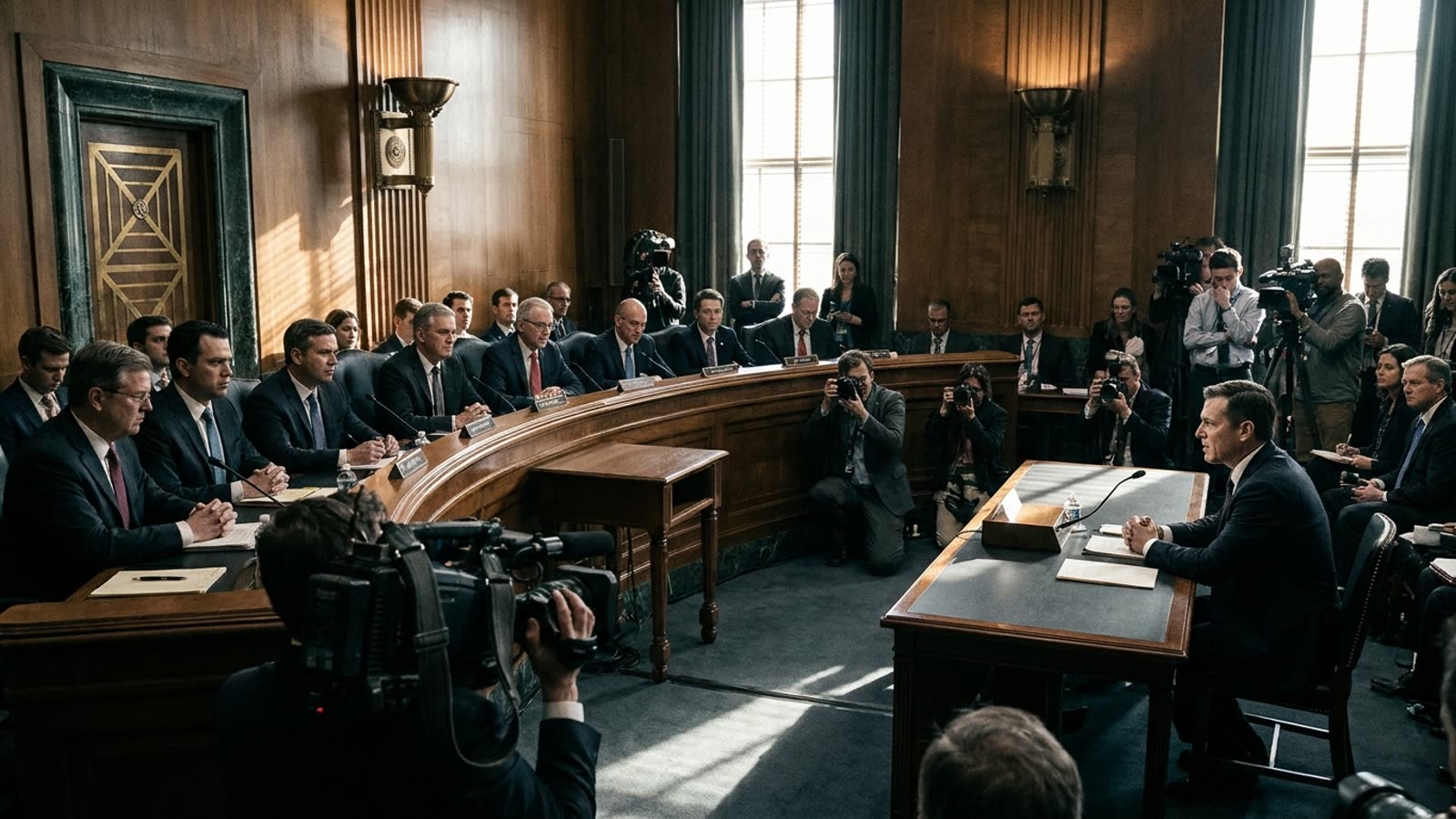
The logic is straightforward: a Democratic Congress can block further military appropriations, refuse to authorize expanded operations, and hold endless hearings on the conflict's conduct. President Trump, already weakened and facing a hostile legislature, has every incentive to declare victory and seek an off-ramp. Hence the rush to price in peace.
What the market is missing
But crude markets have a tendency to confuse political incentives with political outcomes. Trump has shown little appetite for the kind of face-saving compromises that de-escalation would require. Iran, meanwhile, has made clear that any settlement must include sanctions relief and security guarantees that no American president — certainly not this one — could deliver without appearing to capitulate. The Revolutionary Guard's hardliners have their own domestic reasons to keep tensions elevated.
More practically, even if hostilities wind down, the supply disruptions of the past two months cannot be unwound overnight. Damaged infrastructure in the Gulf takes time to repair. Shipping insurers remain skittish. OPEC+ members who quietly celebrated higher prices are unlikely to flood the market with spare capacity just because American traders are feeling optimistic.
Our take
Wednesday's oil crash is a bet on rationality prevailing in Washington and Tehran simultaneously — a parlay that has not paid off often in recent history. The Democratic victory does change the political calculus, and Vance's comments suggest at least some faction within the administration recognizes the war's electoral toxicity. But sub-$100 crude implies a swift, clean resolution to a conflict that has shown no signs of becoming either. Enjoy the cheaper petrol while it lasts; the market may be writing checks that diplomacy cannot cash.