After more than four years of war, Europe is attempting something it has largely avoided: taking the diplomatic lead on ending the conflict in Ukraine.
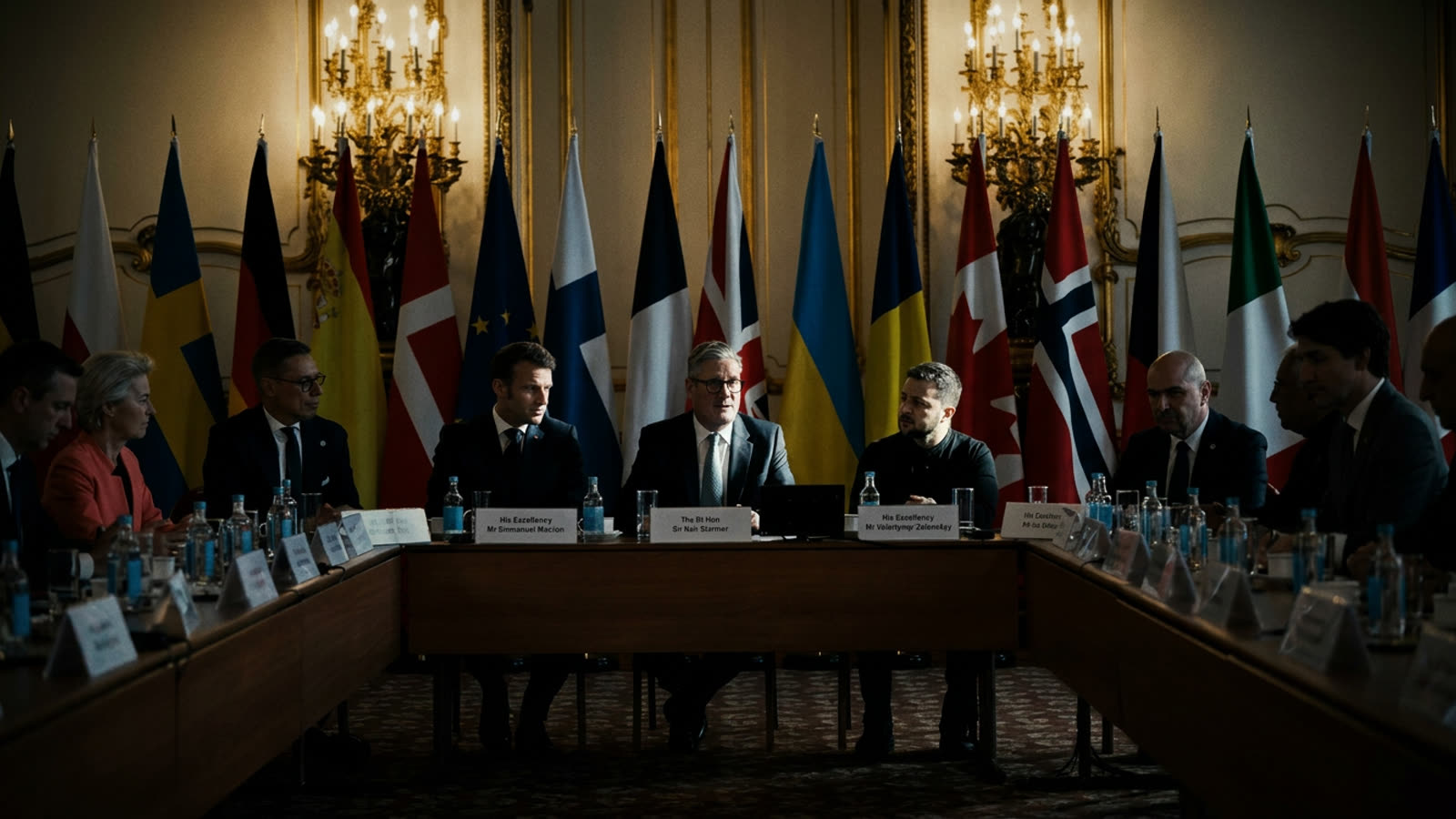
European leaders have signaled their readiness to support ceasefire talks between Ukraine and Russia, a coordinated message that represents a notable evolution in the continent's posture. The shift comes as the Trump administration's attention remains consumed by the Iran crisis and as battlefield lines have calcified into a grinding stalemate that neither side appears capable of breaking.
The limits of European agency
The declaration carries more symbolic weight than operational muscle. Europe lacks the military leverage that might compel Moscow to negotiate seriously, and its economic tools—sanctions, asset freezes, trade restrictions—have already been deployed to their practical limits. What European leaders can offer is diplomatic infrastructure: venues, mediators, and the political cover that might allow both sides to step back from maximalist positions without appearing to capitulate.
The timing is not accidental. With Washington's bandwidth stretched thin by the Gulf crisis and President Trump's public attention elsewhere, European capitals see an opening to reassert relevance in their own neighborhood. French and German officials have been quietly laying groundwork for weeks, though the public announcement suggests they believe the moment has arrived for a more visible role.
Moscow's calculation
Russia has shown little interest in negotiations that do not lock in its territorial gains, and there is scant evidence that European diplomatic overtures will change that calculus. The Kremlin's strategy has consistently prioritized waiting out Western resolve, betting that fractured attention and domestic political pressures will eventually erode support for Ukraine. A European peace initiative, absent American backing, may simply confirm Moscow's thesis that the Western alliance is fragmenting.
Ukraine's position is equally constrained. President Zelensky cannot accept terms that formalize the loss of sovereign territory without facing a domestic political crisis. Any ceasefire framework will need to thread an impossibly narrow needle: offering Russia enough to come to the table while preserving Ukrainian sovereignty claims and Western credibility.
The American variable
The Trump administration's posture remains the critical unknown. The President has oscillated between disinterest in European security affairs and transactional engagement when it suits broader strategic goals. A European-led peace process could either receive quiet American support or be actively undermined if it conflicts with Washington's preferences.
Our take
Europe's willingness to step forward deserves cautious respect, but the continent is attempting to broker a peace it cannot enforce. Without American commitment and without leverage that Moscow respects, this initiative risks becoming another well-intentioned gesture that changes nothing on the ground. The war will end when the costs of continuing exceed the costs of stopping for both Kyiv and Moscow—and Europe, for all its diplomatic energy, cannot unilaterally alter that arithmetic.