The script in the Middle East has a grim familiarity to it, but the casting has changed in a way that would have seemed implausible a year ago. On Sunday, Israel struck Beirut's southern suburbs for the first time since a U.S.-backed ceasefire took hold, Iran answered hours later by launching missiles toward northern Israel, and the figure now publicly leaning on Benjamin Netanyahu to stand down is Donald Trump.
Three threads are tangling at once, and each one pulls against a truce that everyone involved insists they still want.
The strike that broke the quiet
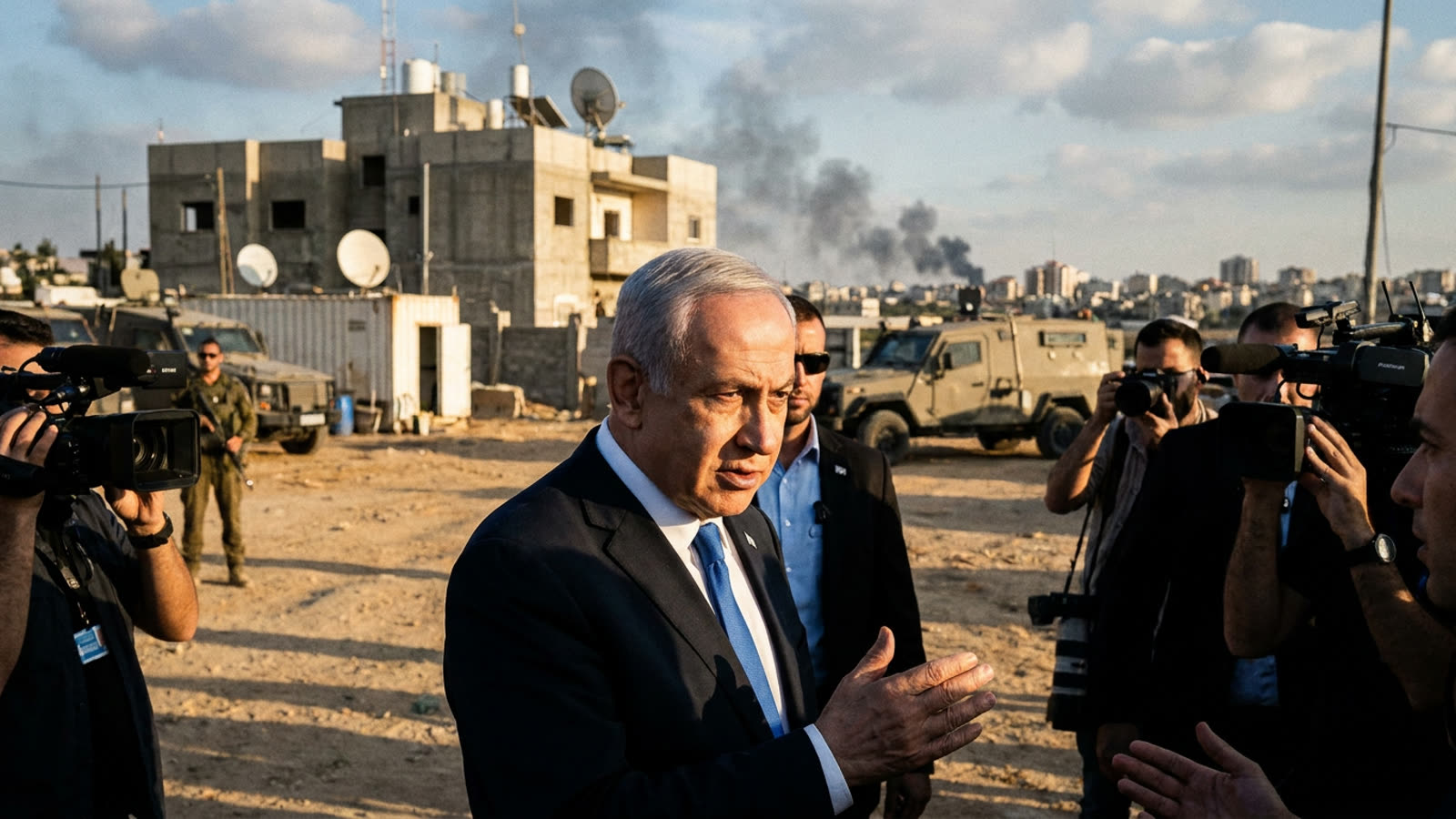
The immediate trigger came from Lebanon. Israeli forces hit Beirut's southern suburbs, the Hezbollah-dominated district known as the Dahiyeh, in what multiple outlets described as the first Israeli strike on the area since a U.S.-supported ceasefire was reached. Netanyahu's government tied the action to Hezbollah fire toward Israel, framing it as retaliation rather than escalation. Al Jazeera reported the strike hit a civilian area and killed at least two people.
The distinction between retaliation and escalation rarely survives contact with the next missile. A ceasefire that holds only until the first provocation is not a ceasefire so much as a pause, and the Dahiyeh strike confirmed how thin the current arrangement always was. Lebanon had earlier announced a partial truce between Israel and Hezbollah, but attacks had continued underneath it.
Tehran's red line
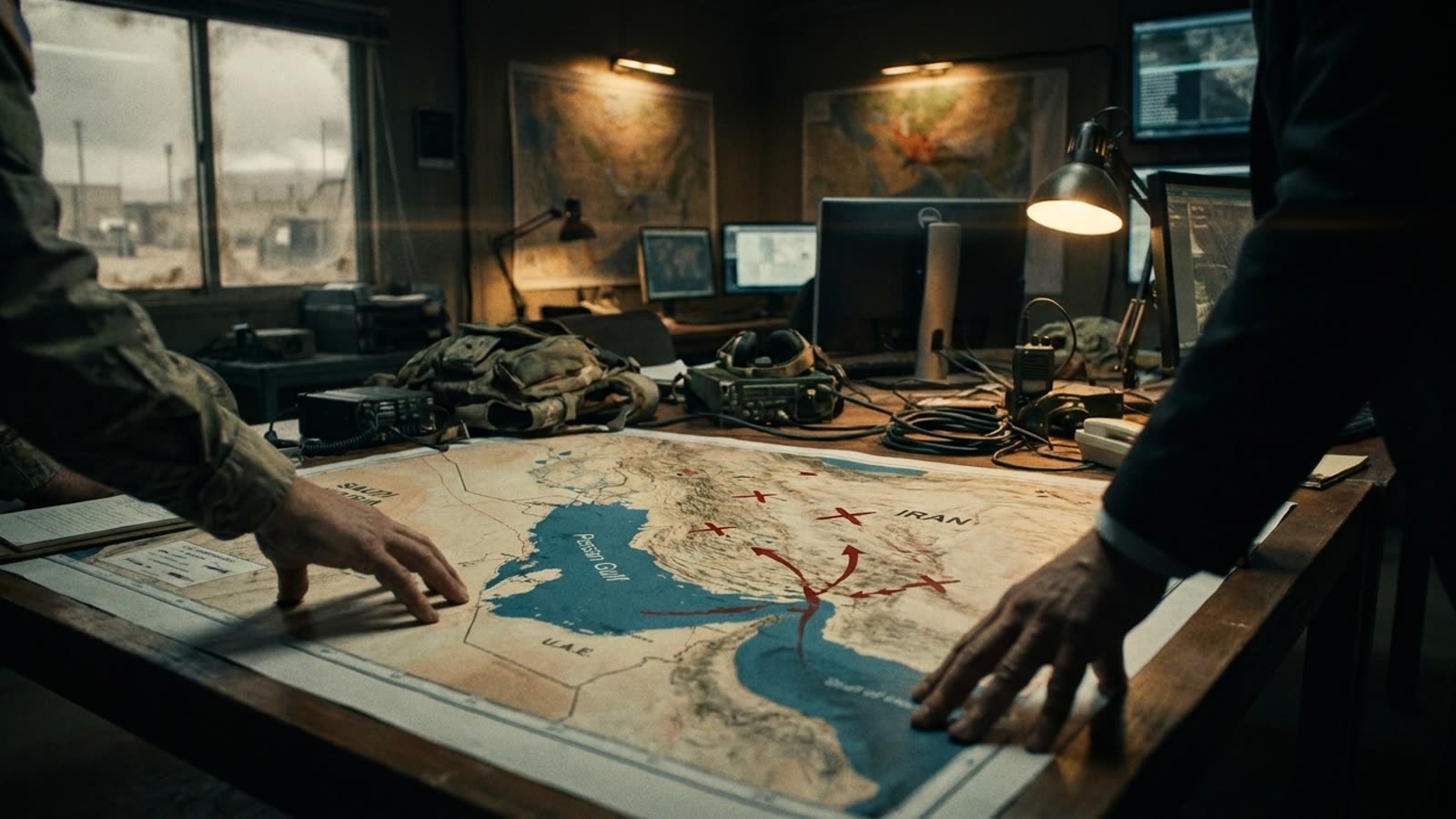
Iran's response was the development that turned a Lebanese flare-up into a regional one. For the first time since an April truce, Iran fired missiles toward northern Israel, with several reports framing the launch as Tehran's answer to the Beirut strike, a signal that Israel had crossed a line the Islamic Republic had drawn around its Lebanese ally.
That is the part that should worry anyone reading the map. A direct Iran-Israel exchange is no longer a hypothetical escalation scenario. It is the lived reality of 2026, and the two sides have already spent this year demonstrating how quickly tit-for-tat strikes can spiral. The April truce that Sunday's launch broke was itself the product of a more dangerous chapter, one in which the United States was not a mediator but a combatant.
The president restraining the war he started
Here is the irony at the center of the story. Earlier this year, Trump took the United States into direct conflict with Iran, a decision so contested at home that the House of Representatives voted to restrict his war powers over Tehran. The fighting eventually gave way to fragile talks and an uneasy ceasefire. Now those same talks are the thing Trump appears determined to protect.
Reporting in recent days describes Trump urging restraint on Netanyahu over the Beirut strike and over Tehran's proxies in Lebanon, with analysts in Israel reading a Trump-Netanyahu call and the pressure to delay Israeli action as a quiet win for Iran. One European account went further, characterizing Trump as having weakened Netanyahu by forcing him to hold off. Whatever the framing, the throughline is consistent: the White House does not want Israel's war in Lebanon to become the spark that reignites America's war with Iran.
It is an awkward posture. A president who chose escalation in the spring is now selling de-escalation in the summer, not out of newfound dovishness but out of self-interest. A renewed Iran-Israel war drags Washington back into a conflict Trump has been trying to wind down, and it does so on someone else's timeline. Restraining Netanyahu is, in that sense, less about protecting Israel from overreach than about protecting Trump's own exit.
Our take
The danger in this moment is not that anyone wants a wider war. It is that nobody wants it badly enough to absorb the cost of stepping back first. Israel will not let Hezbollah fire without answering. Iran will not let Israel strike Beirut without answering. And Trump, having learned this year how expensive an Iran war is, is the only actor with the leverage to break the loop, which is precisely why his restraint matters and precisely why it may not be enough.
Ceasefires in this region have always been less about peace than about pause. The question hanging over Beirut and Tel Aviv tonight is whether this pause has any more left in it, or whether the next answer to the last provocation is the one that ends the pretending.