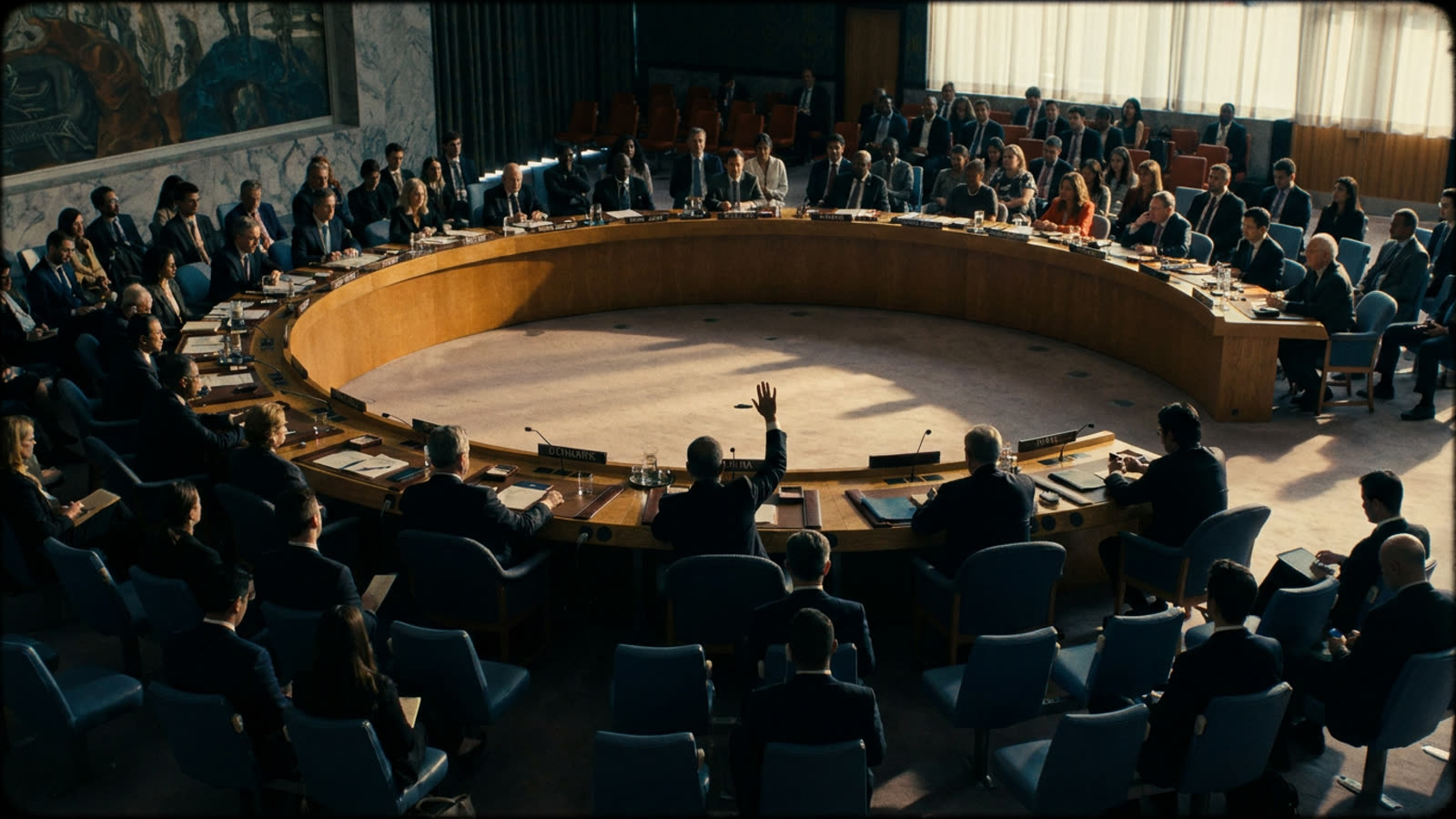
The veto is not a bug in the international system. It is the system.
When the architects of the United Nations gathered in San Francisco in 1945, they faced a problem that had doomed the League of Nations: major powers simply ignored decisions they disliked. The solution was elegant in its cynicism. Give the five victors of World War II—the United States, the Soviet Union, Britain, France, and China—permanent seats on the Security Council and the ability to block any substantive resolution with a single negative vote. The great powers would stay in the building because they could never be outvoted on anything that truly mattered.
Eight decades later, this architecture remains unchanged. The veto has been cast hundreds of times, most frequently by the Soviet Union and later Russia, followed by the United States. It has blocked interventions, sanctions, condemnations, and peacekeeping mandates. Critics call it an anachronism that paralyzes collective action. Defenders argue it prevents the UN from becoming a mechanism for great-power conflict rather than its resolution.
The mechanics of obstruction
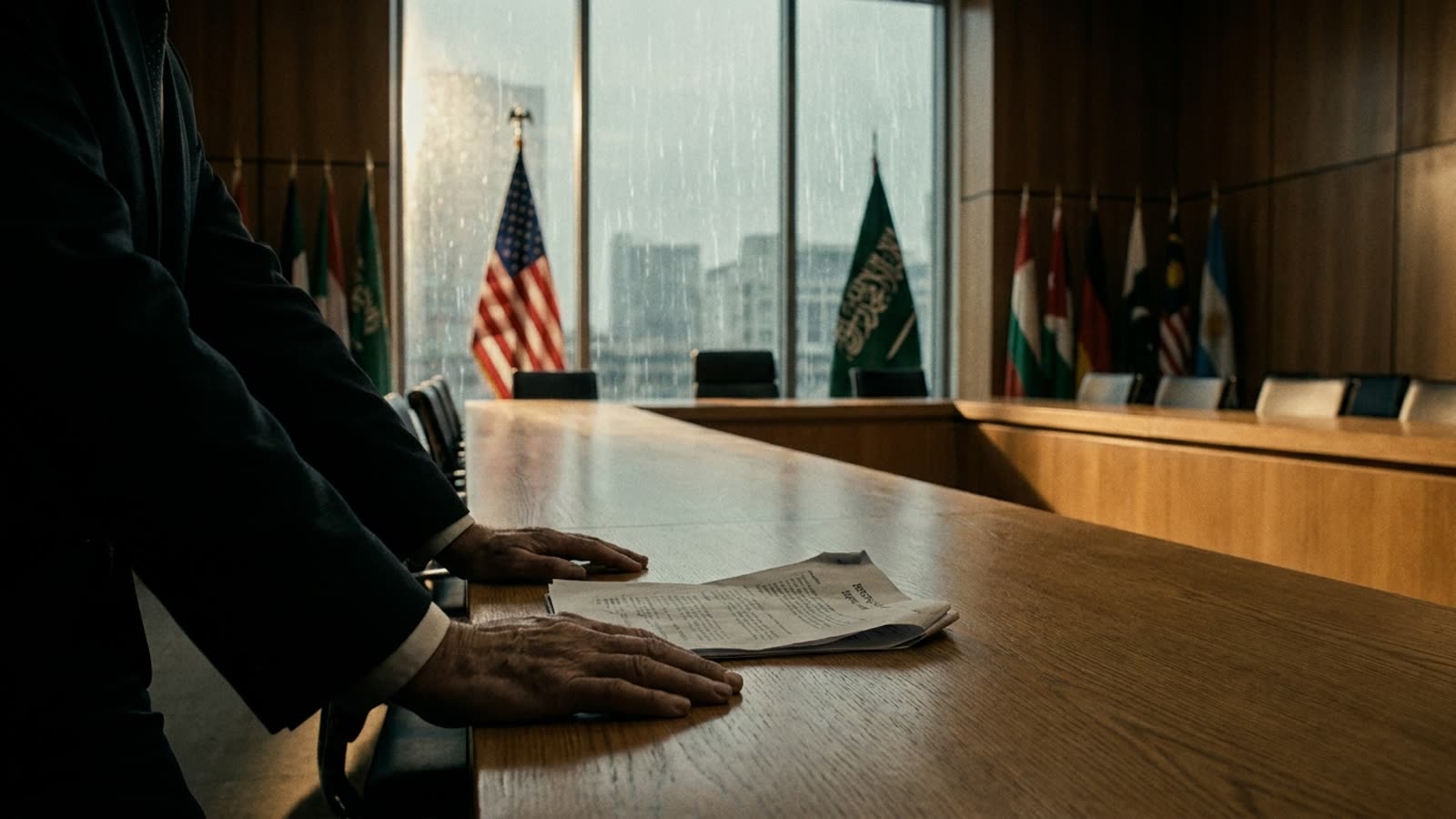
The Security Council has fifteen members: five permanent and ten rotating. Substantive resolutions require nine affirmative votes and no vetoes from the permanent five. The threat of a veto often matters more than its actual use. Diplomats spend weeks negotiating language they know will survive, or they simply decline to bring resolutions they know will fail. This shadow veto shapes outcomes invisibly.
Procedural matters—deciding what counts as procedural—cannot be vetoed, but the permanent five have successfully argued that almost everything substantive requires their unanimous consent. The result is a body that can act decisively only when the major powers agree, which is rare, or when they are indifferent, which is more common.
Why reform never arrives
Proposals to reform the veto surface regularly. Limit it to certain categories of action. Require two vetoes instead of one. Expand the permanent membership to include Germany, Japan, India, Brazil, or an African nation. Each proposal founders on the same rock: amending the UN Charter requires ratification by two-thirds of member states, including all five permanent members. No permanent member has ever voted to dilute its own power.
The veto's defenders make a structural argument that is difficult to dismiss. Without the veto, major powers would either ignore the UN or withdraw entirely. The Security Council's authority rests on the participation of states with the military and economic capacity to enforce its decisions. A council that could outvote the United States or China on matters of war and peace would be a council those countries would treat as irrelevant.
Our take
The veto is neither a noble safeguard nor a cynical betrayal. It is a recognition that international law without enforcement is aspiration, and enforcement without great-power buy-in is fantasy. The UN was never designed to constrain its strongest members—it was designed to give them a forum where constraint might occasionally seem preferable to unilateral action. That is a modest achievement, but in a world of sovereign states with nuclear weapons, modesty has its virtues. The veto will outlast every proposal to abolish it, because the countries with the power to change the rules are precisely the countries the rules were written to accommodate.