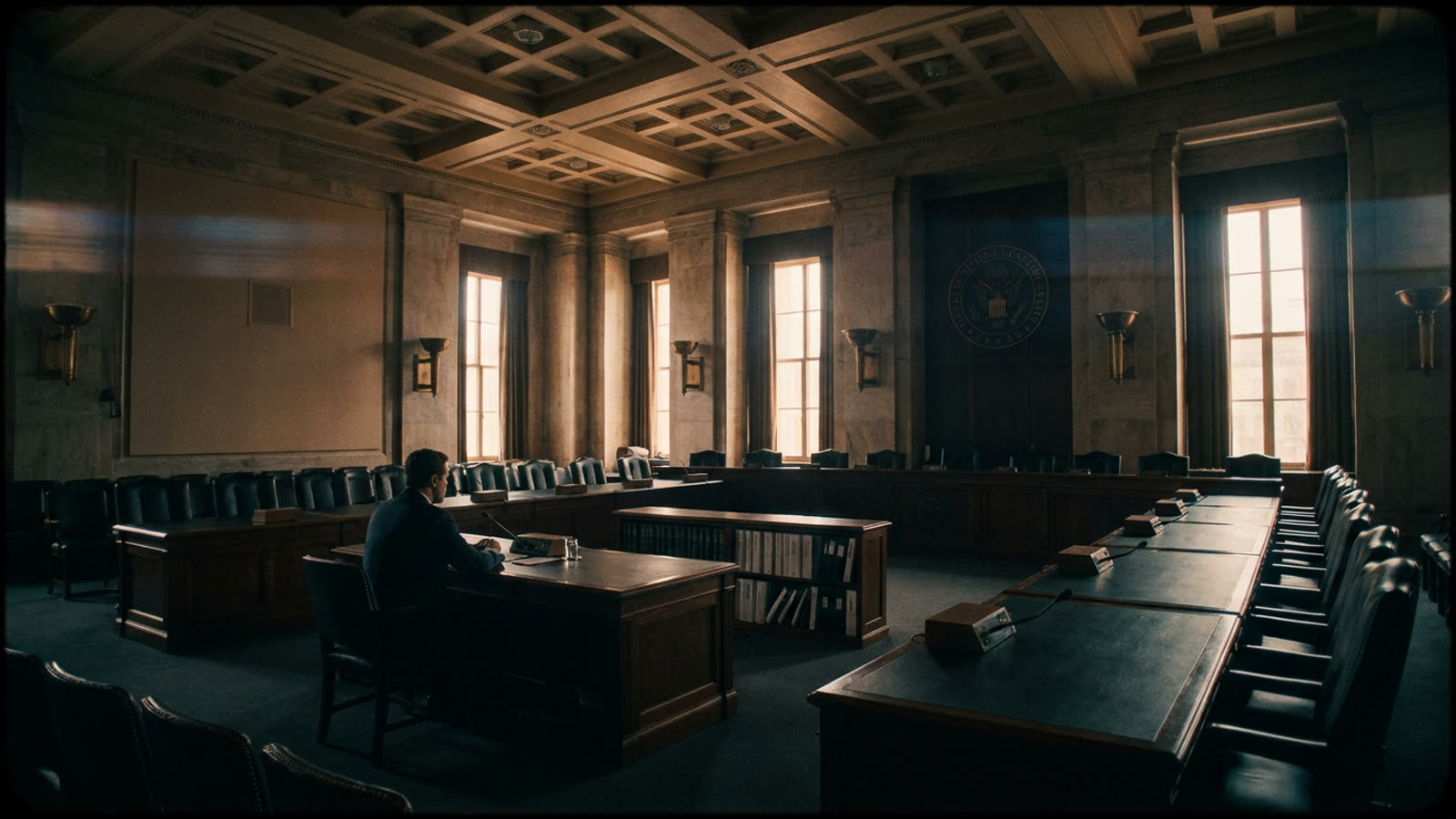
The United States Senate is poised to do something Congress has debated, threatened, and ultimately avoided for years: actually legislate college sports.
A bill establishing federal standards for athlete compensation and name-image-likeness rights has cleared committee and now heads to the full chamber for a vote, marking the most significant congressional intervention in collegiate athletics since lawmakers mostly stayed out of the NCAA's business for over a century. The timing is not coincidental. After the Supreme Court's 2021 Alston decision cracked open the door to athlete compensation, and after a patchwork of state NIL laws created regulatory chaos, even the NCAA itself has been begging Congress to impose order—preferably on terms favorable to the existing power structure.
The case for federal intervention
The current landscape is genuinely untenable. More than thirty states have passed NIL legislation, each with different rules about what athletes can earn, when they can negotiate, and who can represent them. A recruit in Texas operates under different constraints than one in California. Athletic departments have responded by exploiting these gaps, creating collectives that function as de facto payroll systems while maintaining the legal fiction that athletes remain amateurs receiving "educational opportunities."
A national standard would, in theory, level the playing field. Schools in restrictive states would no longer lose recruits to more permissive jurisdictions. Athletes would have clearer rights. Compliance officers could stop parsing fifty different regulatory frameworks. The NCAA, which has spent the past five years watching its enforcement authority evaporate, would finally have federal backing for whatever rules survive the legislative process.
What the bill actually does
The legislation reportedly establishes minimum NIL protections that states cannot undercut, while allowing the NCAA to maintain certain eligibility rules with congressional blessing. It addresses the thorny question of whether athletes are employees—a designation that would trigger Title IX complications, collective bargaining rights, and tax implications that terrify university administrators. The bill's sponsors have framed it as protecting the "collegiate model" while acknowledging economic reality, a rhetorical balance that satisfies no purist on either side.
Critics from the athlete-rights camp argue the bill entrenches NCAA power under federal imprimatur. Critics from the traditionalist camp worry it accelerates professionalization. Both are probably correct, which may explain why the bill has attracted bipartisan support: it disappoints everyone equally, the hallmark of viable compromise.
Our take
The NCAA spent decades insisting that amateurism was sacred, then watched courts and markets prove otherwise. Now it wants Congress to rescue a business model that generates billions while restricting the labor force that produces the product. The irony is thick, but the need for federal standards is real. The current state-by-state chaos serves no one except lawyers and the most aggressive programs willing to exploit regulatory arbitrage. Whether this particular bill strikes the right balance matters less than whether Congress can actually pass anything. College sports has operated in a legal gray zone for too long. Even imperfect clarity beats the status quo.