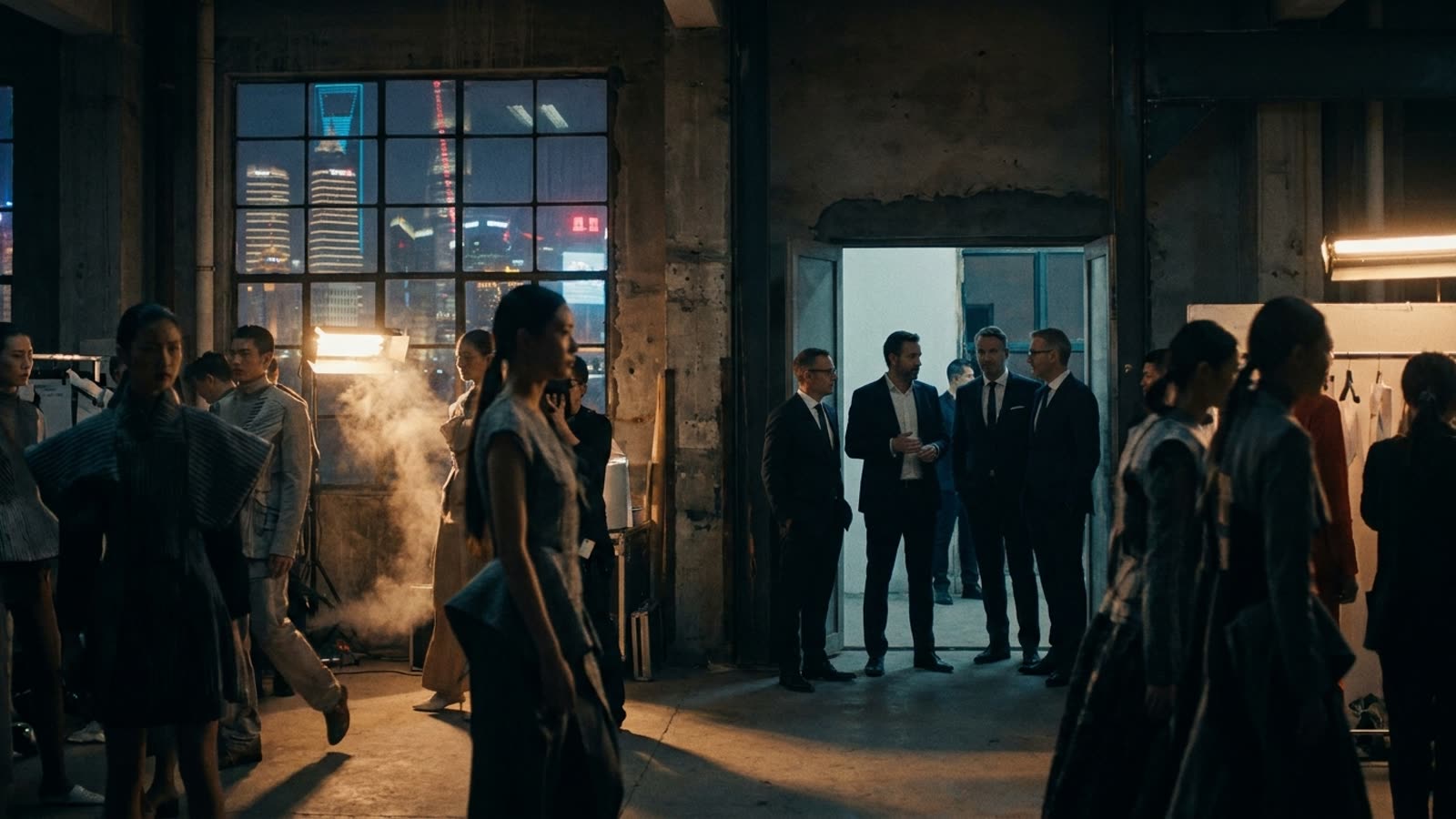
For two decades, the strategic calculus of global luxury was simple: design in Paris or Milan, manufacture wherever costs permitted, and sell to China. That formula is fracturing. Western luxury conglomerates—LVMH, Kering, Richemont—have reported consecutive quarters of softening Chinese demand, while a cohort of domestic designers is graduating from Fashion Week darlings into something more durable: actual businesses with retail footprints, loyal customers, and, crucially, cultural legitimacy at home.
The shift is not merely economic. It is ideological. A younger Chinese consumer, shaped by nationalist currents and pandemic-era introspection, increasingly views heritage European houses as status relics rather than aspirational necessities. Labels like Shushu/Tong, Pronounce, and Susan Fang—names that once registered only among fashion insiders—are now stocked in domestic department stores and courted by international retailers seeking authenticity beyond the usual suspects.
The demand gap Western brands cannot close
LVMH's Greater China revenues fell for the third straight quarter in its most recent earnings, a slide the company attributed to "macroeconomic headwinds" but which analysts increasingly link to shifting taste. The problem is structural: European houses built their China strategy on aspiration and exclusivity, but exclusivity loses its charge when everyone in a WeChat group carries the same Neverfull. Chinese designers, by contrast, offer novelty, cultural resonance, and—often—sharper price points. Shushu/Tong's girlish silhouettes and Pronounce's gender-fluid tailoring speak a visual language that feels native in ways a Dior saddle bag cannot.
From runway to retail: the infrastructure question
Recognition is cheap; distribution is expensive. The persistent weakness of Chinese independent fashion has been operational: fragmented retail, unreliable supply chains, limited capital for inventory. That is changing. Domestic e-commerce giants like Tmall Luxury Pavilion and JD.com have built white-glove logistics for high-end goods, while multi-brand boutiques in Shanghai and Chengdu now anchor emerging designers alongside established names. Several labels have secured backing from venture funds and family offices eager to bet on a post-Western luxury thesis.
The question is whether these brands can scale without diluting the creative edge that made them interesting. Western luxury solved that problem through conglomerate muscle—centralized manufacturing, global advertising budgets, ruthless brand management. Chinese designers will need to invent their own playbook, likely one that leans harder on digital community and limited drops than on glossy magazine spreads and flagship stores.
Our take
Western luxury is not dying in China; it is simply losing its monopoly on desire. The smarter European houses will respond by acquiring or partnering with Chinese labels rather than competing head-on—expect a Kering or LVMH investment in a Shanghai-based brand within the next eighteen months. The less nimble will keep blaming "macro" while ceding ground. For consumers, the shift is unambiguously good: more options, fresher ideas, and a long-overdue decentering of the Paris-Milan axis. Fashion's center of gravity is drifting east, and the only question is how fast.