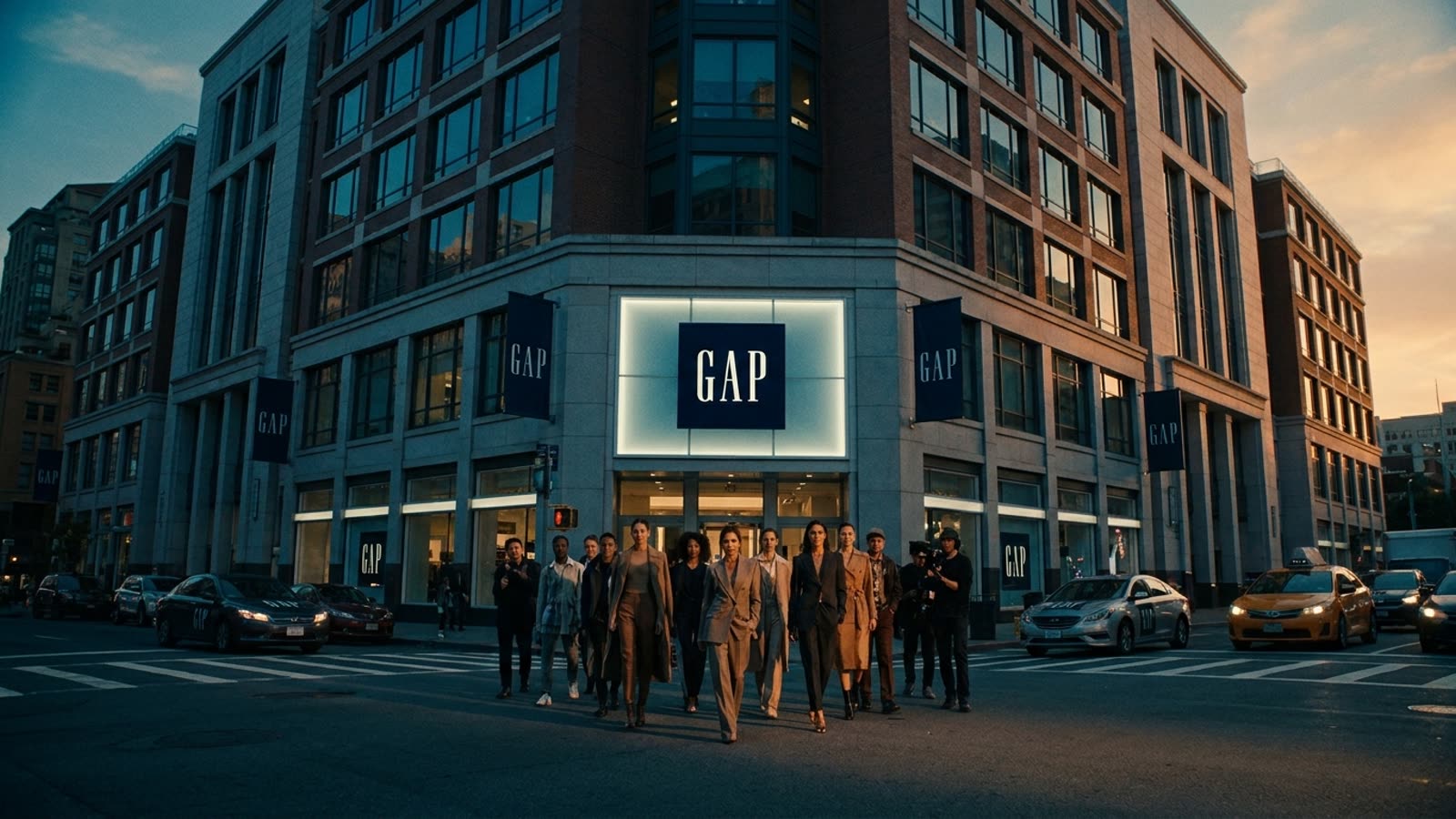
The calculus of luxury fashion has inverted. Where designers once guarded exclusivity like crown jewels, the smartest names now chase reach — and Victoria Beckham's second collaboration with Gap, dropping this week, is the clearest evidence yet that accessible fashion partnerships have become the industry's most coveted status symbol.
The spring collection, which landed earlier this year, sold out within hours. Not days, not a respectable weekend — hours. Gap, a brand that spent the better part of a decade struggling to define itself against fast-fashion insurgents and athleisure dominance, suddenly had a genuine cultural moment. Beckham, whose eponymous label has long occupied the uncomfortable middle ground between genuine luxury and aspirational pricing, found something arguably more valuable than another runway show: proof of mass-market desirability.
The 37-piece bet
The fall/winter 2026 collection expands significantly on its predecessor. Thirty-seven pieces span tailored separates, knitwear, and outerwear, with prices reportedly ranging from under $100 to several hundred — firmly in Gap's wheelhouse but elevated by Beckham's sharp-shouldered sensibility. Early images suggest the designer has leaned into her signatures: clean lines, neutral palettes punctuated by occasional burgundy and forest green, and the kind of structured blazers that made her label's name.
What's notable is the marketing machinery. Gap is offering early access to loyalty members before the general release, a move borrowed directly from the sneaker-drop playbook that has colonized every corner of retail. The scarcity psychology that once belonged exclusively to Supreme and Nike is now standard operating procedure for a mall brand selling wool-blend coats.
Why designers are chasing the middle
Beckham is hardly alone in this pivot. The past two years have seen a parade of high-fashion names — from Mugler's H&M collaboration to Erdem's work with the same retailer — treating mass-market partnerships not as brand dilution but as brand amplification. The logic is straightforward: a runway show reaches editors and buyers; a Gap collaboration reaches everyone with a smartphone and a credit card.
For Beckham specifically, the Gap partnership solves a persistent problem. Her mainline collection, while critically respected, has never achieved the commercial scale of competitors like Victoria's former Spice Girl bandmate-adjacent brands or the celebrity-to-mogul pipelines of Rihanna and the Kardashian-Jenner empire. Gap offers volume, visibility, and — crucially — a narrative of democratization that plays well in an era when conspicuous consumption has become socially fraught.
Our take
The fashion industry spent years insisting that luxury meant scarcity, that desirability required inaccessibility. Beckham and Gap are betting the opposite: that in 2026, the most powerful fashion statement might be proving millions of people want what you're selling. Whether this represents a genuine democratization of style or simply a new form of status competition — my collaboration sold out faster than yours — is a question the industry hasn't quite reckoned with. Either way, expect the fall drop to vanish quickly. The only real exclusivity left is being online at the right moment.