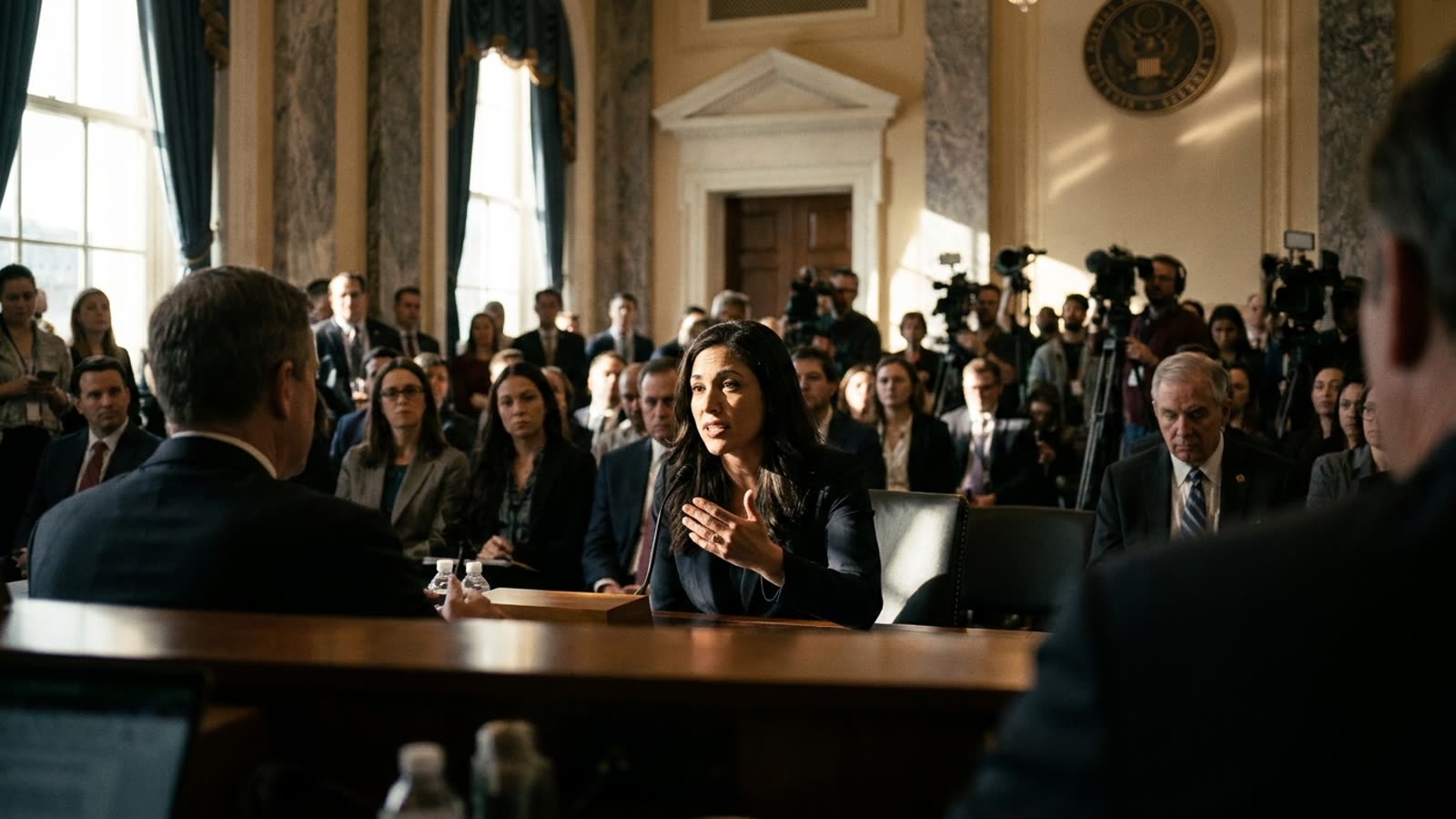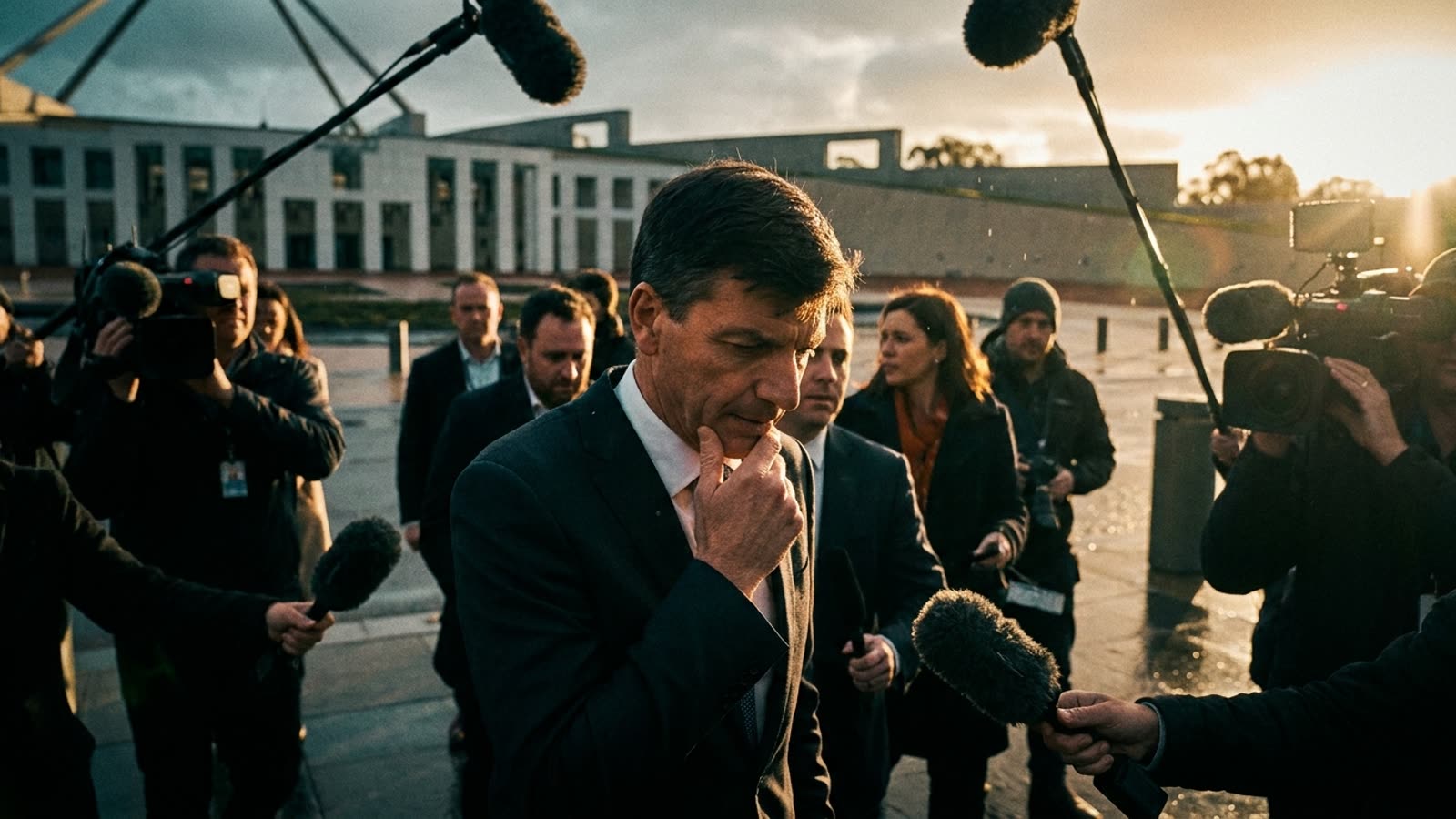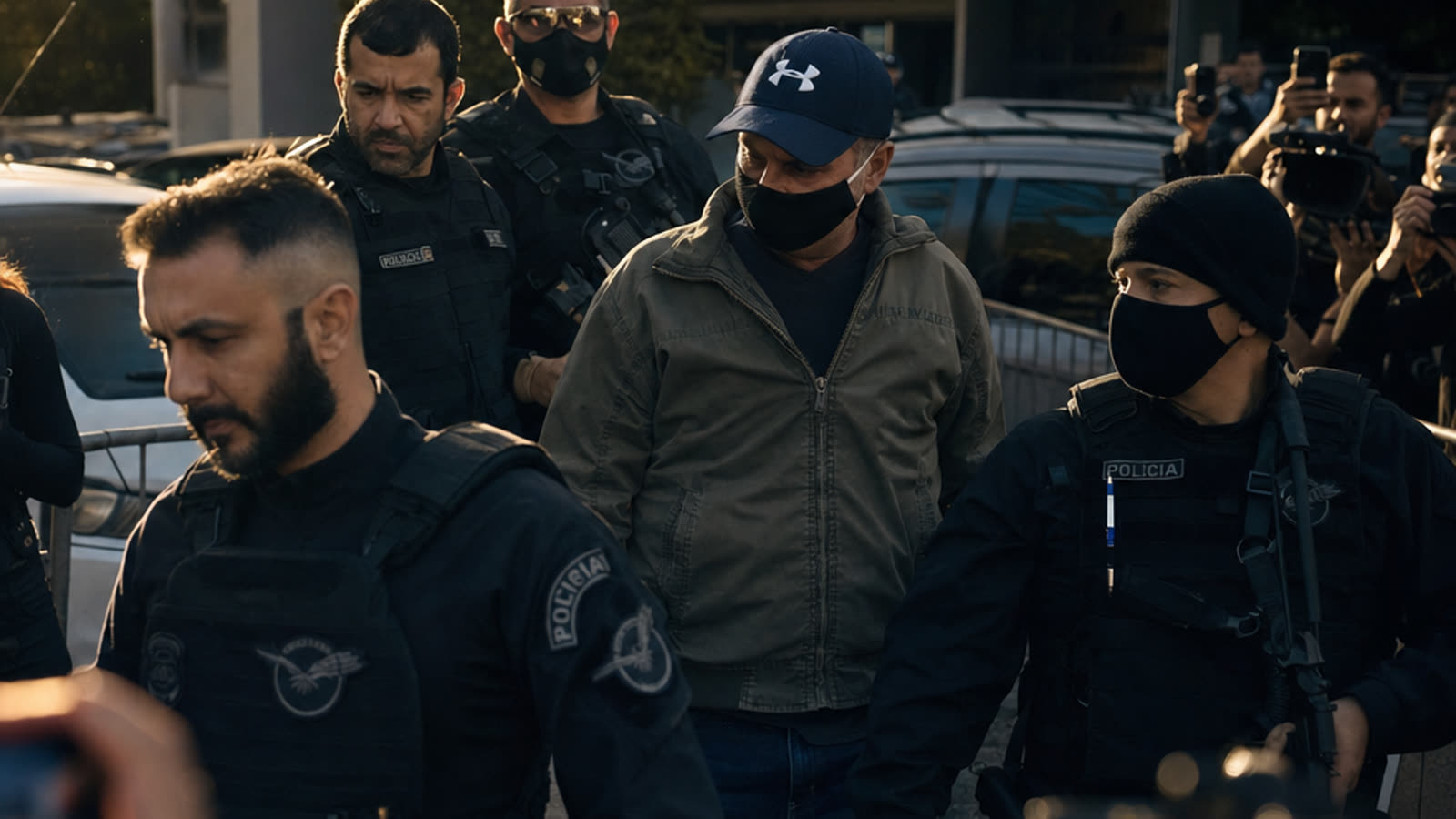
The speed was the message. Within hours of Jair Bolsonaro's loss to Luiz Inácio Lula da Silva on Sunday night, Brazil's Supreme Court ordered his son Flávio — a sitting senator and the family's political heir apparent — to surrender his passports and submit to a travel ban. The ruling, issued by Justice Alexandre de Moraes, makes explicit reference to ongoing money-laundering investigations that have shadowed the Bolsonaro clan for years. Brazil's judiciary is not waiting to see whether the family plans to contest the result, flee the jurisdiction, or simply run out the clock.
The move represents a dramatic acceleration of legal pressure that had been building throughout the campaign. Flávio Bolsonaro faces allegations stemming from his time as a Rio de Janeiro state legislator, when prosecutors say he orchestrated a scheme to skim salaries from staff members — a practice known locally as "rachadinha." The senator has denied wrongdoing and called the investigations politically motivated, but the Supreme Court's timing suggests the judiciary views the electoral transition as a window for accountability rather than reconciliation.
Trump's shadow over Brasília
President Trump's immediate response to the Brazilian result — calling it "rigged" and citing the extension of voting hours in some regions — has injected American culture-war rhetoric into South America's largest democracy. The Liberal Party, which Bolsonaro leads, has officially accepted the result, creating an awkward split between the Brazilian far-right's domestic posture and its most prominent international ally. Trump's intervention gives Bolsonaro supporters rhetorical ammunition to claim foreign validation of their grievances, even as the party apparatus moves toward institutional accommodation.
The extension of voting hours that Trump cited was ordered by electoral authorities after equipment failures at some polling stations — a routine measure under Brazilian law. International observers from the Organization of American States reported no significant irregularities.
Lula's social media reckoning
Lula's victory, his third presidential win, was built partly on a sophisticated digital operation that systematically countered the Bolsonaro camp's dominance of WhatsApp and YouTube. The campaign deployed rapid-response fact-checking, influencer partnerships, and targeted messaging to younger voters who had grown up during the Workers' Party's years in opposition. The result suggests that the far-right's early-mover advantage in Brazilian social media is no longer insurmountable — a lesson that may travel to other democracies where populist movements have weaponized digital platforms.
Lula takes office in January with a divided Congress, a depleted treasury, and a deforested Amazon. The Bolsonaro family's legal troubles will provide a running distraction, but also a useful foil: every headline about passport seizures is a headline not about inflation or unemployment.
Our take
The Bolsonaro passport order is judicial theatre, but it is effective theatre. It signals that Brazil's institutions, battered by four years of presidential contempt, still have teeth — and that they intend to use them before the family can regroup. Whether this becomes accountability or overreach depends entirely on what the investigations actually produce. For now, the message to the Brazilian right is unmistakable: the election is over, and so is the impunity.