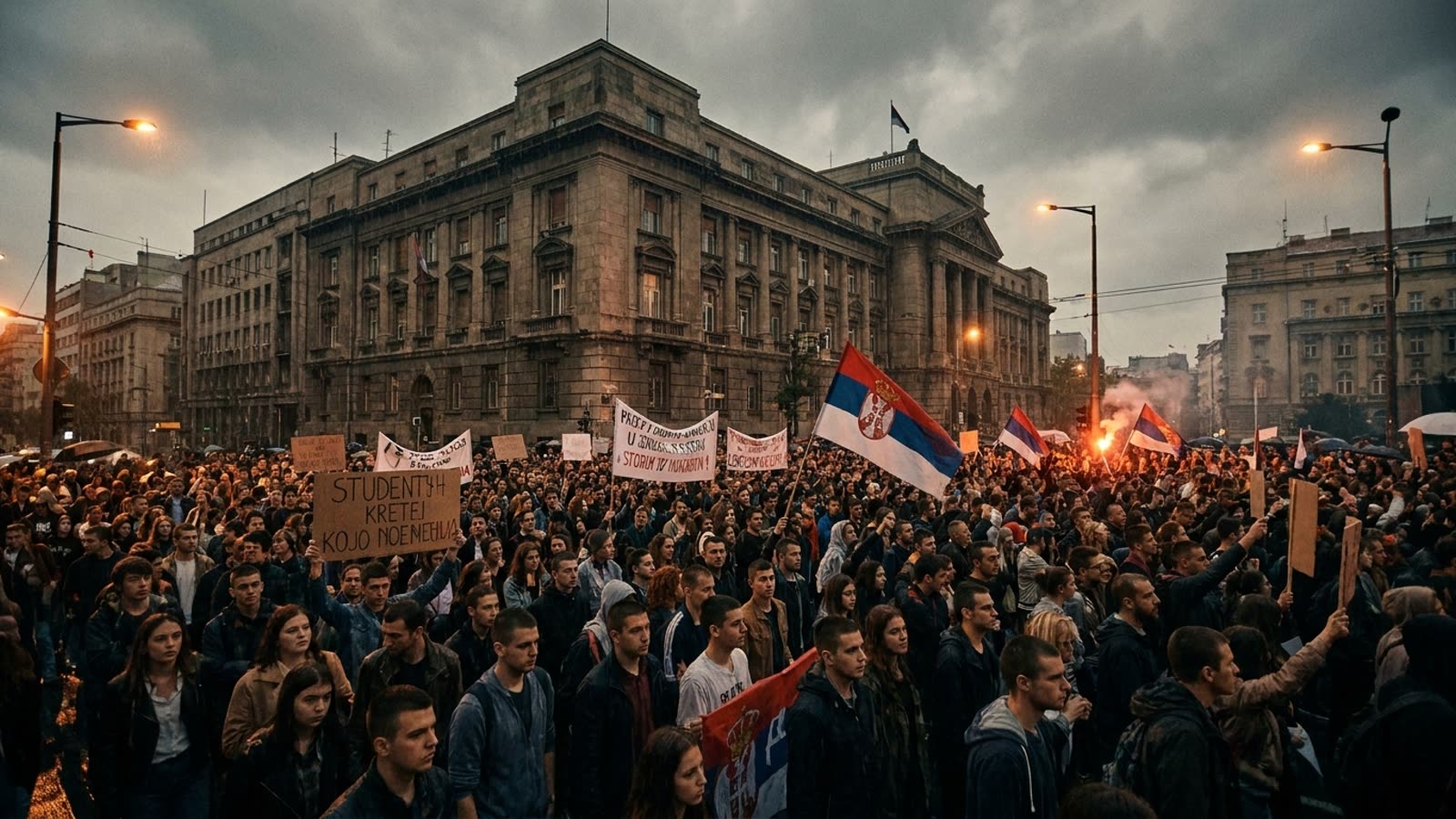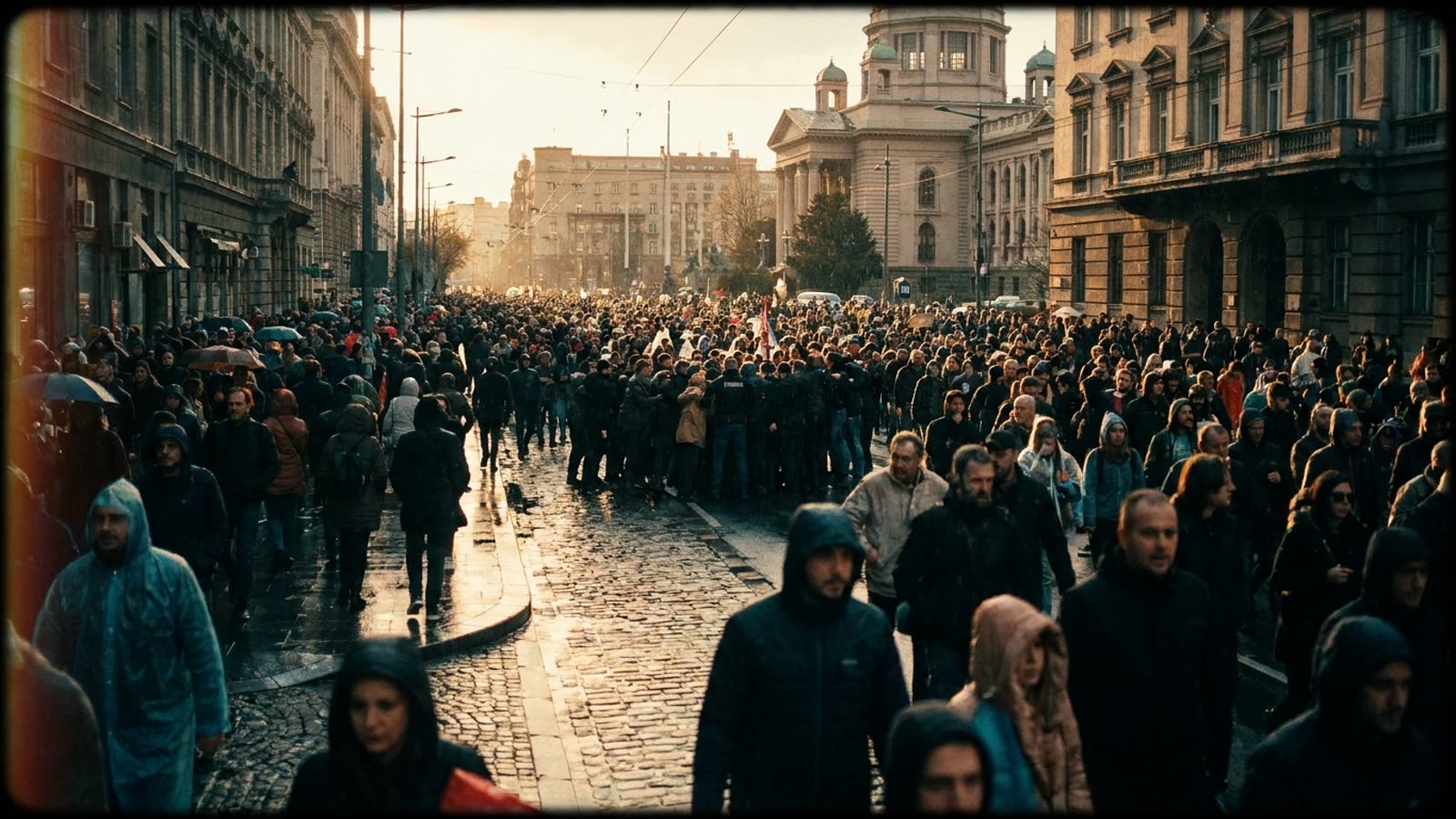
Revolutions are easier than administrations. The Student List movement that swept Aleksandar Vučić from power in Sunday's seismic election has achieved something no Serbian opposition managed in over a decade: it broke the authoritarian's grip on Belgrade. What it has not done is decide who should be prime minister, what economic policy to pursue, or how to negotiate with an EU that is suddenly, cautiously interested in talking again.
The movement's strength was its formlessness. Born from last year's campus protests against exam fraud and police brutality, it deliberately avoided anointing leaders or publishing manifestos. That made it impossible for Vučić's media machine to target individuals or caricature positions. It also means that, as of Monday morning, Serbia has a parliament dominated by activists who ran on vibes and accountability rather than a governing program.
The EU's conditional embrace
Brussels is making encouraging noises. Officials speak of a "reset" in relations, and there is genuine appetite in Western capitals to pull Serbia back from its drift toward Moscow and Beijing. But the goodwill comes with fine print. The EU expects rapid progress on rule-of-law reforms, judicial independence, and media freedom—precisely the areas Vučić hollowed out. Delivering on those demands requires a functioning executive, which the Student List does not yet have.
The constitutional clock is unforgiving. Serbia's president must nominate a prime minister within 30 days of the final results; the nominee then has another 30 days to win a confidence vote. If the students cannot coalesce around a candidate, the country faces fresh elections—and the risk that Vučić's Serbian Progressive Party, bruised but not destroyed, mounts a comeback on a platform of stability versus chaos.
The talent question
Leaderless movements eventually need leaders. The Student List's informal spokespeople—mostly twenty-somethings who cut their teeth organizing sit-ins—are articulate and popular, but none has run a ministry, negotiated a budget, or managed a coalition. Some within the movement are pushing to recruit technocrats and reform-minded professionals from civil society; others fear that importing outsiders would betray the grassroots ethos that won the election.
There is also the matter of money. Serbia's public finances are not disastrous, but they are not healthy either. Vučić's government relied heavily on Chinese infrastructure loans and Russian energy subsidies, both of which will become politically toxic if Belgrade pivots toward the EU. Finding alternative funding—and managing the short-term pain of transition—demands economic expertise the movement has not yet demonstrated.
Our take
The students earned their victory. Vučić was a bully who debased Serbian democracy for his own survival, and his removal is a genuine good. But governing is not protest. The movement now has weeks, not months, to transform itself from a coalition of grievances into a coalition of competence. If it fails, the same disillusionment that powered its rise will turn against it—and Europe will quietly write off another Balkan hopeful.