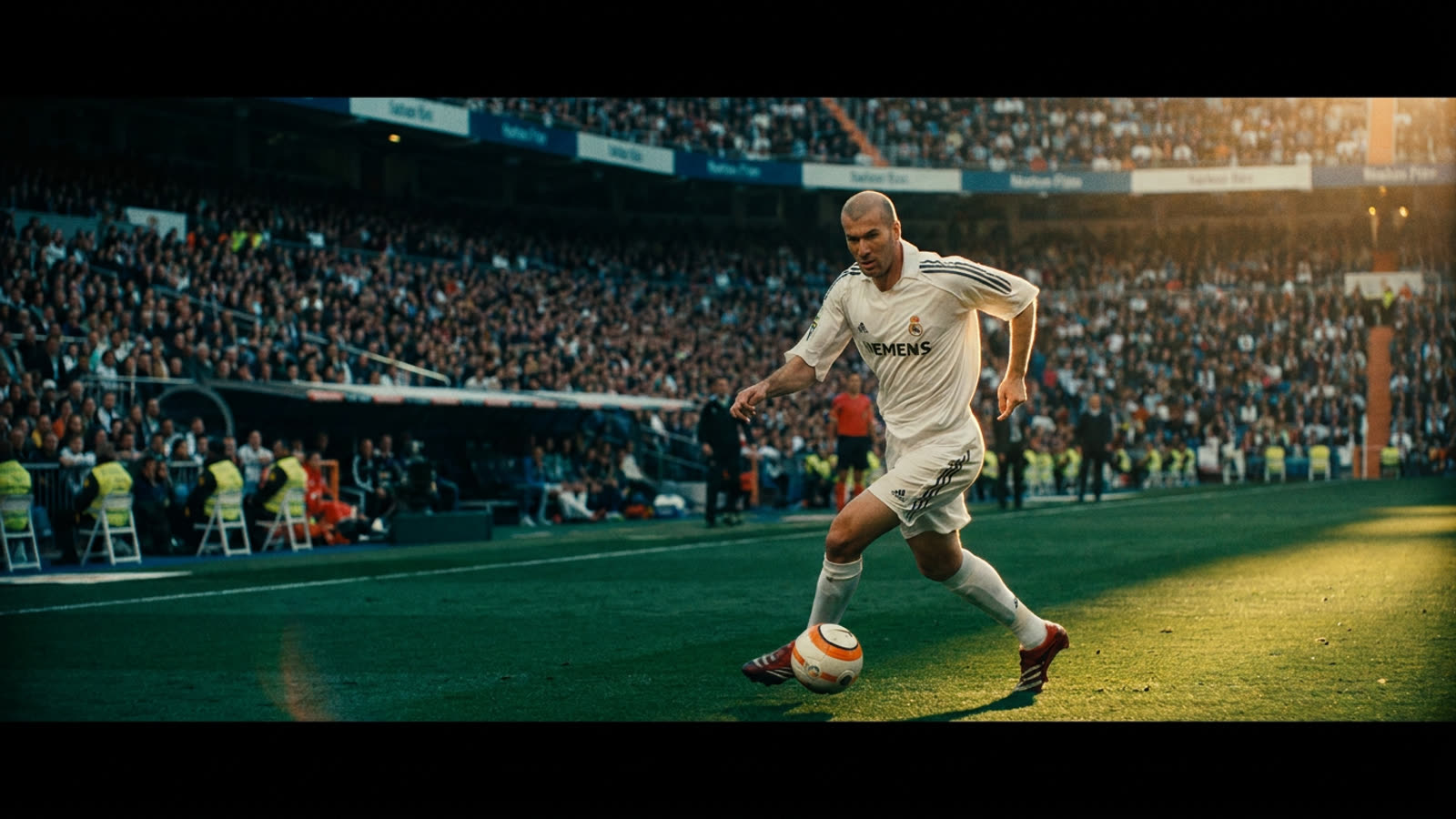
Zinedine Zidane walked off the pitch in Berlin with the World Cup trophy glinting in his peripheral vision, his red card still warm in the referee's pocket, and his legacy permanently bifurcated. In the space of twelve seconds, he had transformed from the tournament's best player into its most spectacular self-saboteur. The headbutt to Marco Materazzi's chest was not a moment of madness so much as a moment of absolute clarity — Zidane knew exactly what he was doing, and that is what makes it so difficult to process.
The architecture of the inexplicable
The 2006 final was supposed to be Zidane's coronation. He had already announced his retirement; this was the farewell tour, and he was playing it like Sinatra at the Sands. His penalty in the seventh minute, a panenka chip so audacious it seemed to mock the very concept of pressure, put France ahead. His performance through the tournament had been transcendent, dragging an aging squad past Brazil and Portugal through sheer force of will. Then, in the 110th minute, with the score level and penalties looming, Materazzi said something. Zidane turned, walked back, and drove his skull into the Italian defender's sternum.
What Materazzi said has been the subject of forensic lip-reading, tabloid speculation, and eventual confirmation from both parties. It involved Zidane's sister. The specifics matter less than the response: Zidane, the most technically gifted midfielder of his generation, a man whose game was defined by preternatural calm, chose violence. France lost the shootout. Italy lifted the trophy.
The refusal to apologise
Zidane's post-tournament interviews were remarkable for what they did not contain. He expressed regret that children had witnessed the act. He did not apologise to his teammates, to France, or to the sport. "I would rather die than apologise to him," he said of Materazzi. This was not contrition; it was a philosophical position. Zidane seemed to be arguing that some provocations demand response regardless of context, that honour exists outside the logic of tournament football.
This stance has aged strangely. In an era when athletes are coached to say nothing of substance, Zidane's refusal to perform regret feels almost countercultural. He did not blame the heat of the moment. He did not cite temporary insanity. He simply maintained that Materazzi had crossed a line and that crossing it back was the only coherent response. Whether this represents integrity or delusion depends entirely on your theory of what sport is for.
Our take
The headbutt endures because it is irreducible. It cannot be explained away by adrenaline or exhaustion or the stakes of the moment — Zidane had handled all of those before, countless times. It was a choice, made by a man who understood its consequences and made it anyway. Football wants its legends clean: Pelé's joy, Maradona's genius, Messi's quiet dominance. Zidane gave us something more honest. He showed that greatness and self-destruction can coexist in the same body, that the qualities which make someone extraordinary do not come with an off switch. The World Cup final is supposed to reveal character. It did. We just did not expect the revelation to be so uncomfortable.