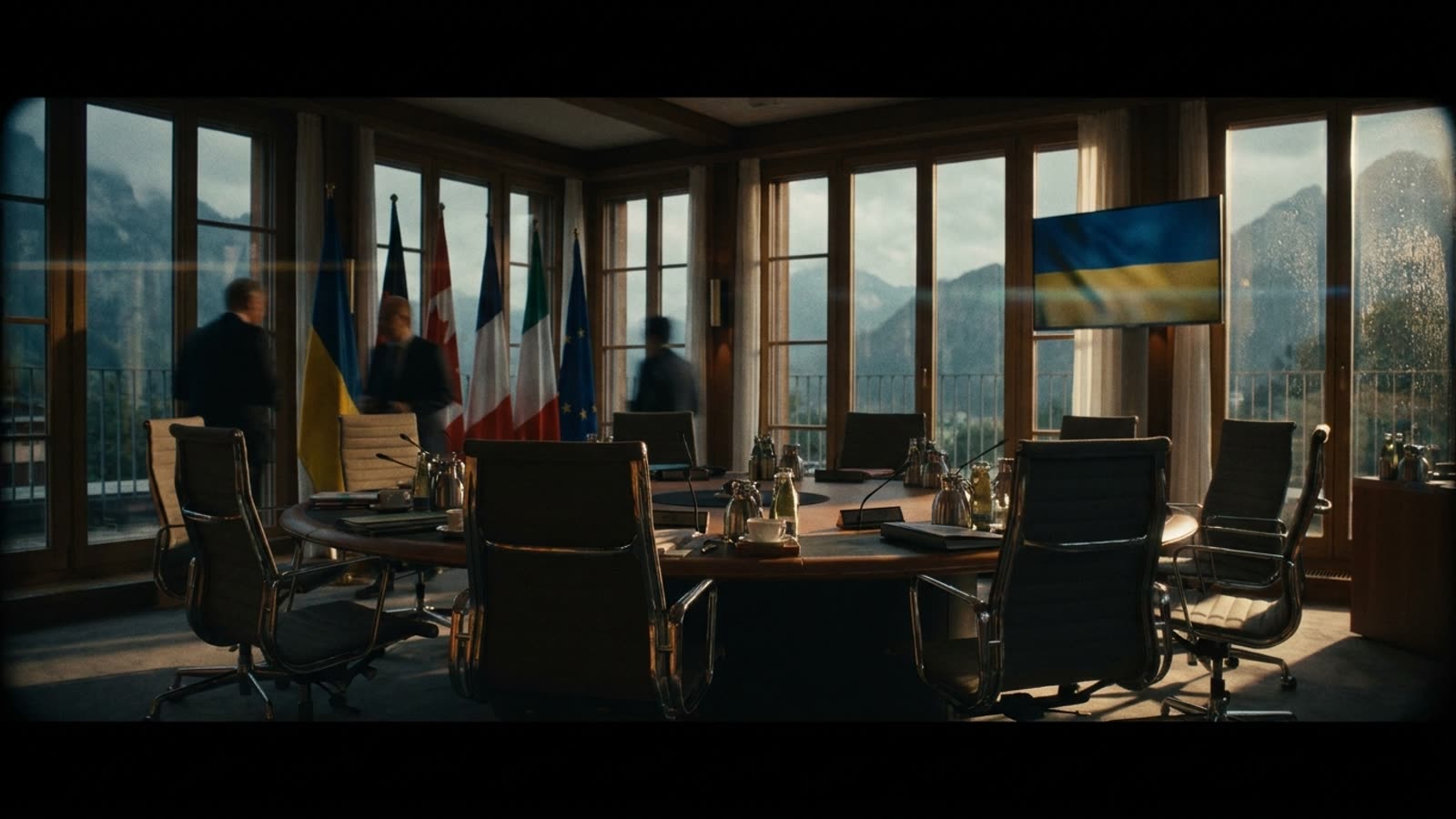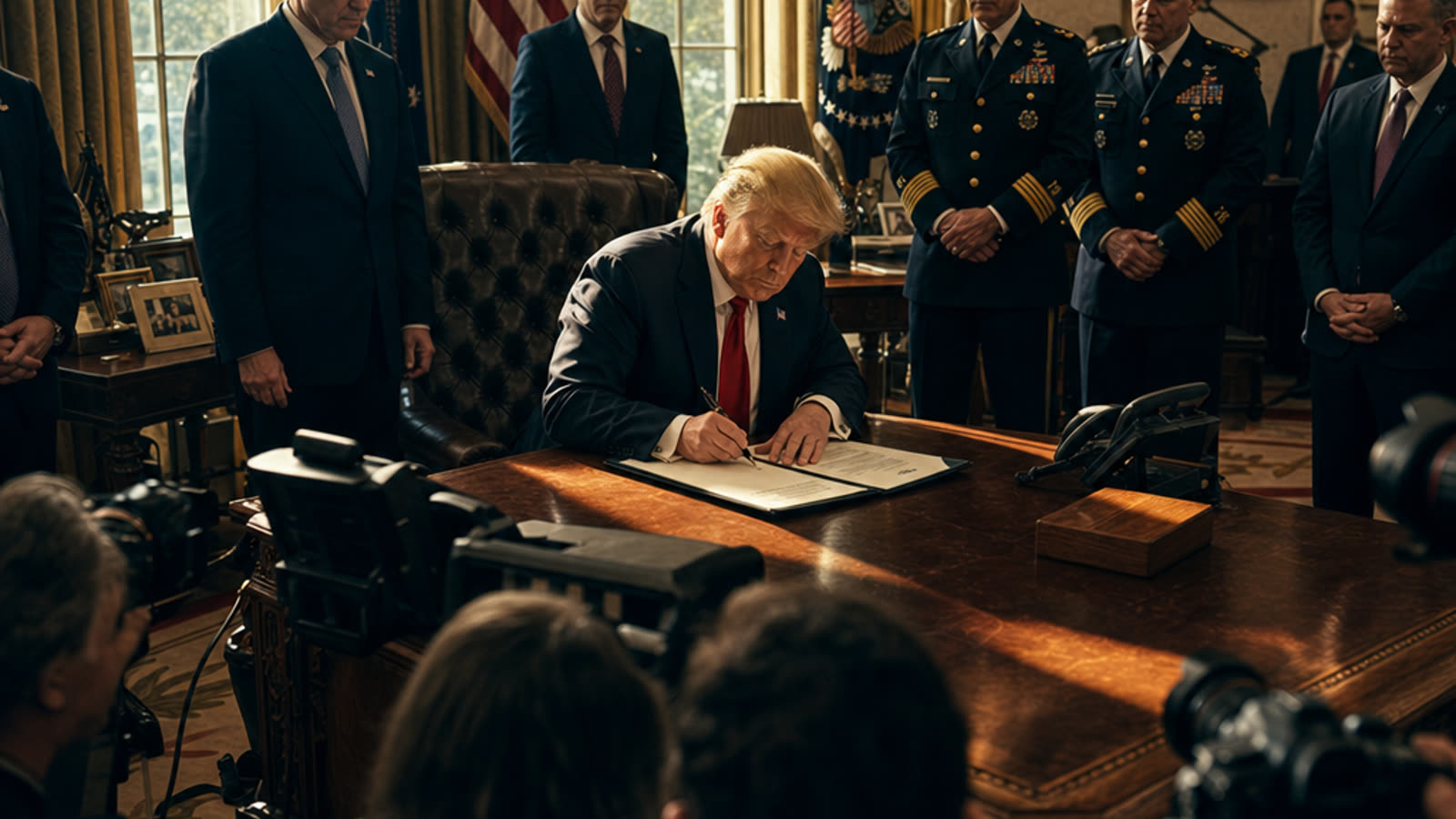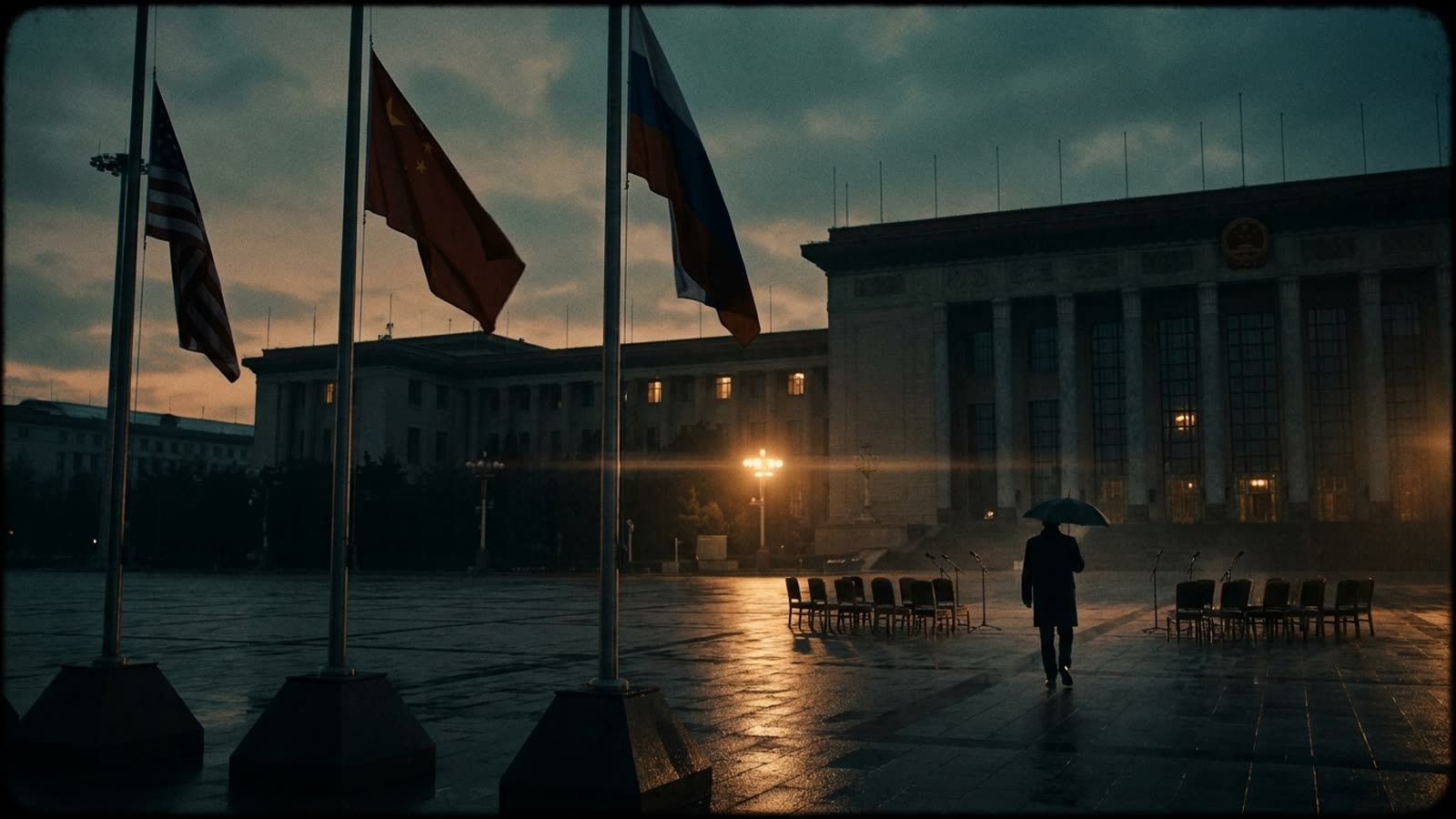
The most revealing moment of the G7 summit wasn't the ceasefire signing or the Versailles dinner. It was Donald Trump, fresh from ending a war with Iran, publicly thanking Xi Jinping and Vladimir Putin for being "neutral" during the conflict.
This is not how American presidents typically talk about China and Russia. For decades, the bipartisan consensus held that Beijing and Moscow were adversaries to be contained, not partners whose restraint deserved presidential gratitude. Trump's thank-you note upends that framework entirely — and intentionally.
The neutrality bargain
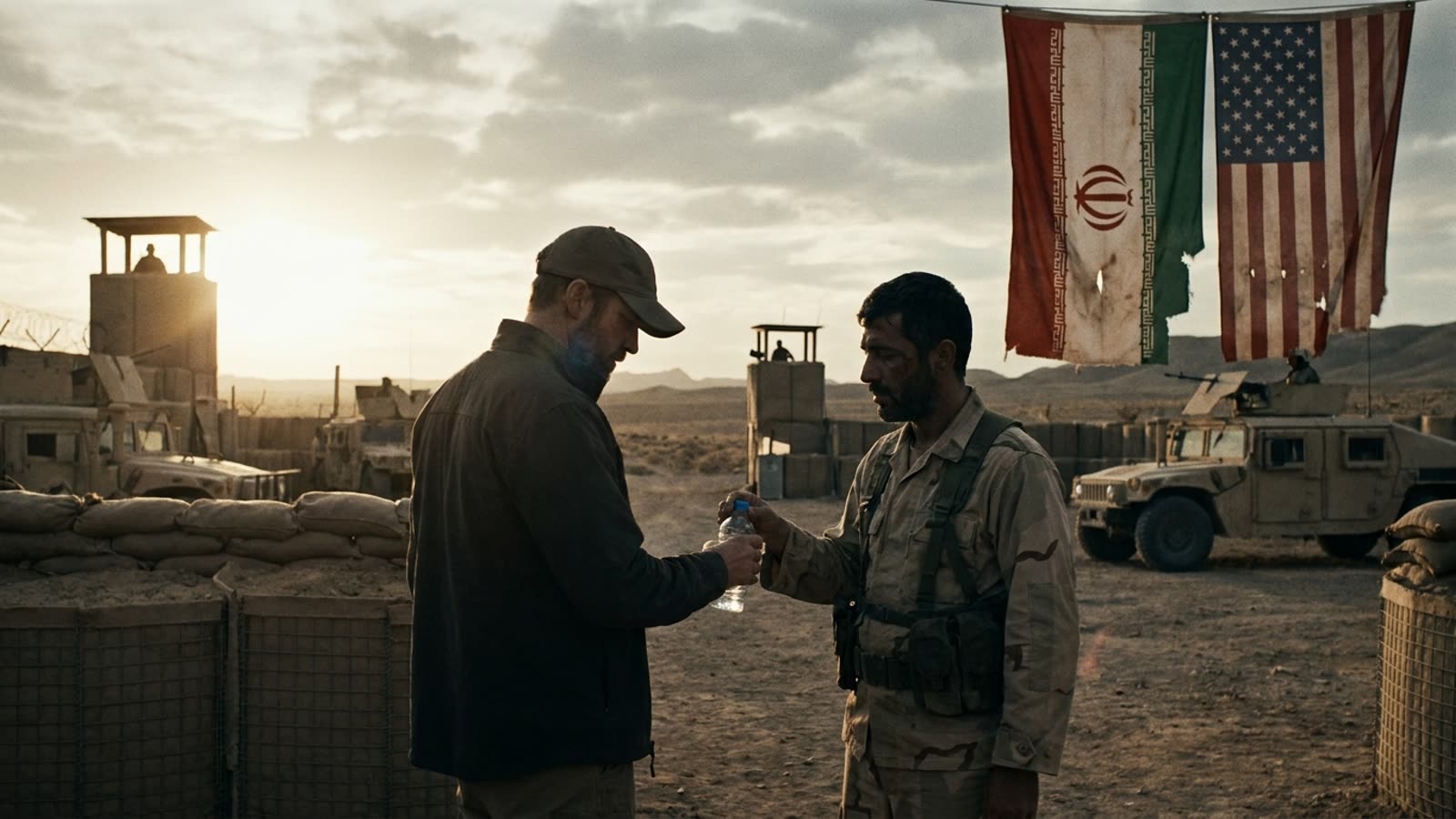
When the US struck Iran earlier this year, the nightmare scenario in Washington wasn't Iranian retaliation alone. It was the possibility that China might flood Tehran with weapons, or that Russia might open a second front of pressure somewhere in Europe. Neither happened. Both powers made calibrated noises of disapproval, then watched from the sidelines as American firepower did its work.
Trump's public thanks is the receipt for that transaction. By acknowledging their restraint, he's signaling that great-power neutrality in American conflicts is a commodity worth paying for — in diplomatic recognition, in trade flexibility, perhaps in Taiwan policy or Ukraine pressure. The specific currency remains to be negotiated, but the exchange rate has been established.
What the foreign-policy establishment missed
The traditional view holds that thanking rivals for not opposing you is weakness, an admission that you needed their permission. Trump's framing inverts this: he's positioning neutrality as the natural state between great powers, with active opposition as the aberration requiring justification. It's a framework that suits a president who wants freedom of action without alliance obligations.
This drives the foreign-policy establishment to distraction precisely because it works on a logic they've spent careers rejecting. If China and Russia can be bought off with recognition rather than confronted with coalitions, what exactly is NATO for? If great-power competition is a series of bilateral transactions rather than an ideological struggle, the entire architecture of American alliances becomes negotiable.
The Israeli complication
The same week Trump thanked Xi and Putin, Benjamin Netanyahu found himself politically cornered by an Iran deal he opposed. The contrast is instructive. Israel wanted escalation; it got a ceasefire. Netanyahu wanted American backing for a harder line; he got American gratitude to the powers he considers existential threats.
Trump's willingness to thank China and Russia while ignoring Israeli objections suggests a hierarchy of relationships that Jerusalem won't enjoy contemplating. When the president ranks great-power neutrality above allied preferences, small allies learn their place quickly.
Our take
Trump's thank-you to Xi and Putin isn't gaffe or bluster — it's doctrine. He's articulating a world where American military action doesn't require allied consensus, where rival acquiescence is purchased rather than assumed, and where the old categories of friend and foe dissolve into a market of interests. Whether this produces stability or chaos depends entirely on what China and Russia decide their neutrality is worth next time.