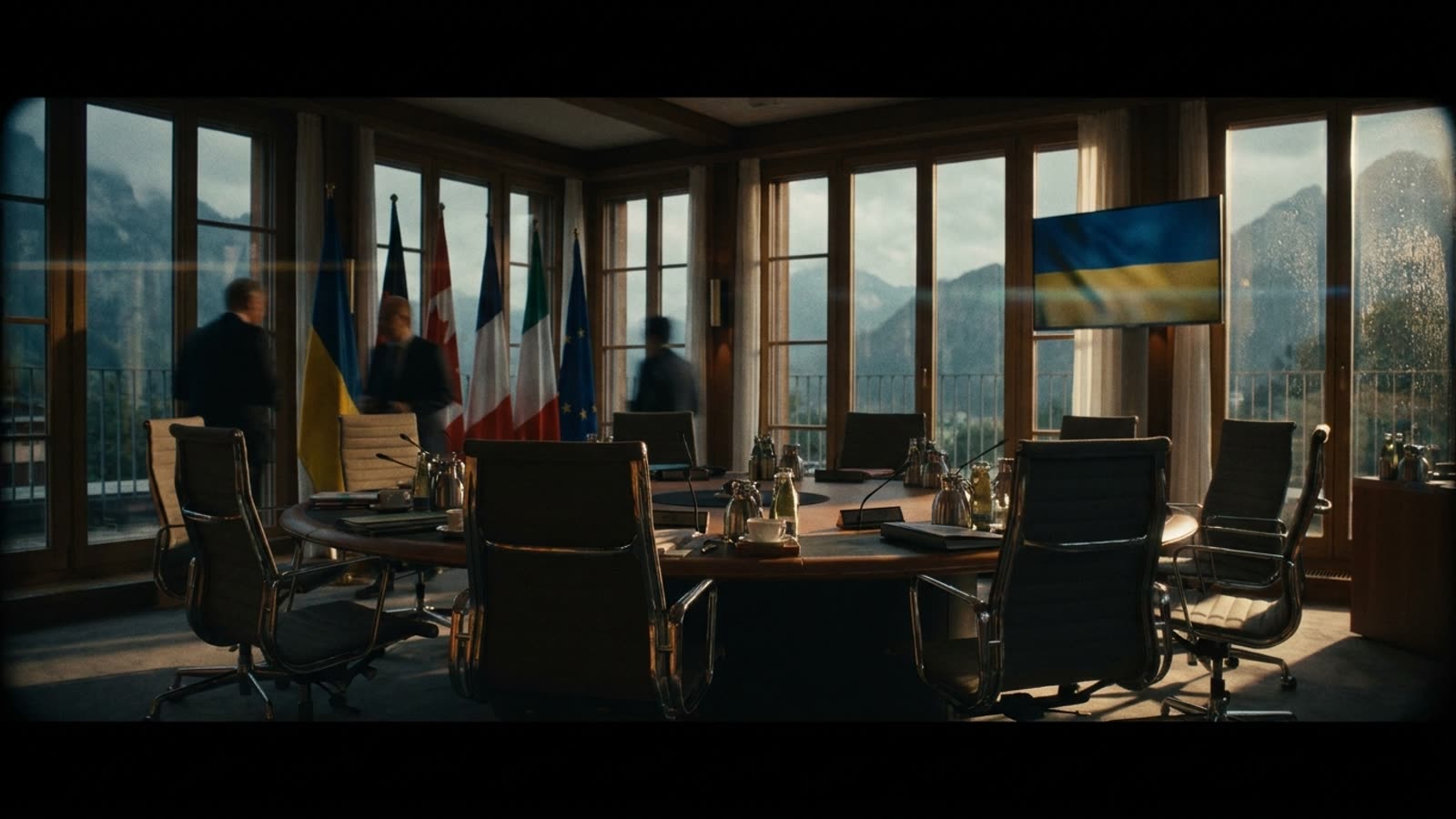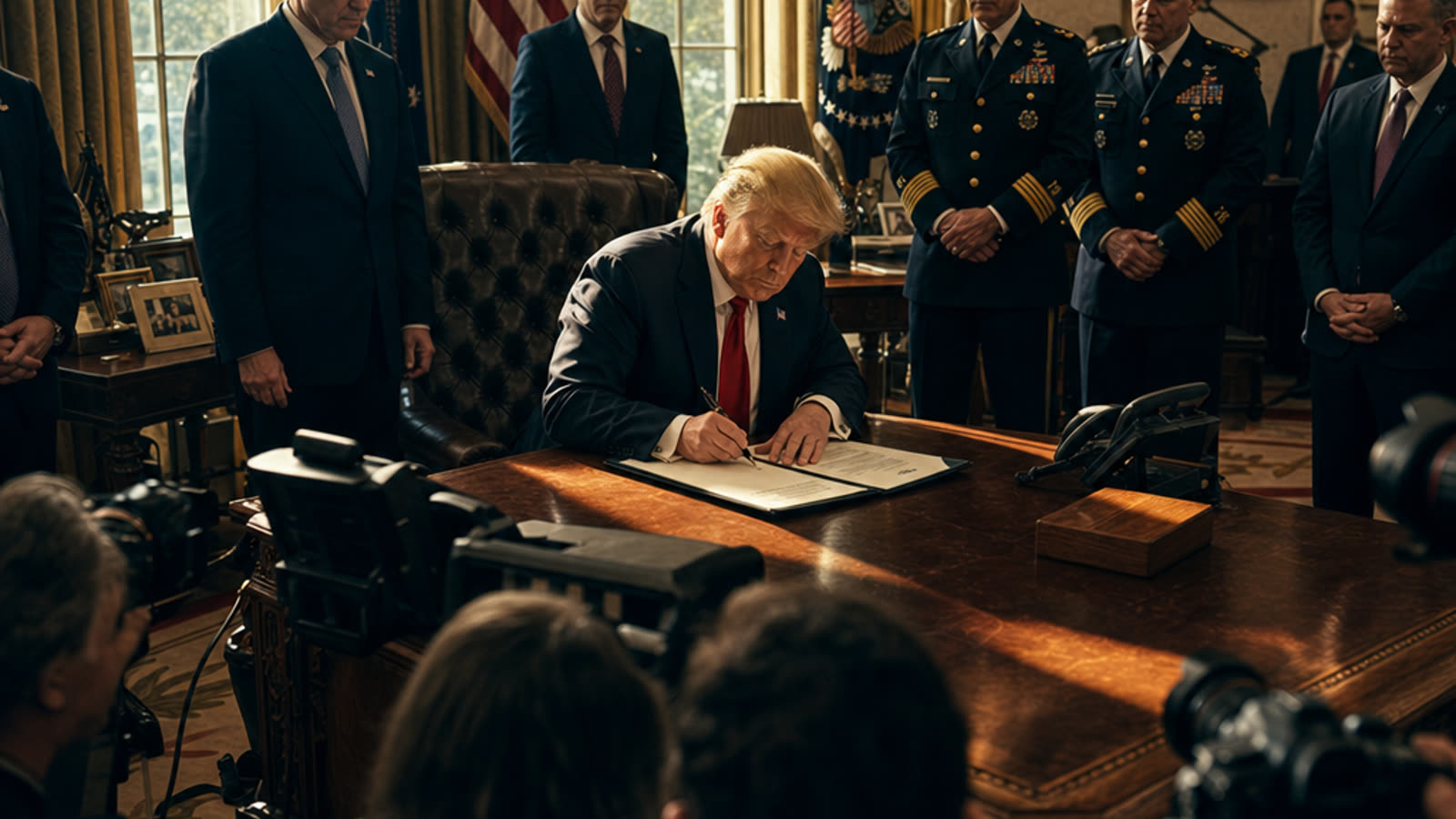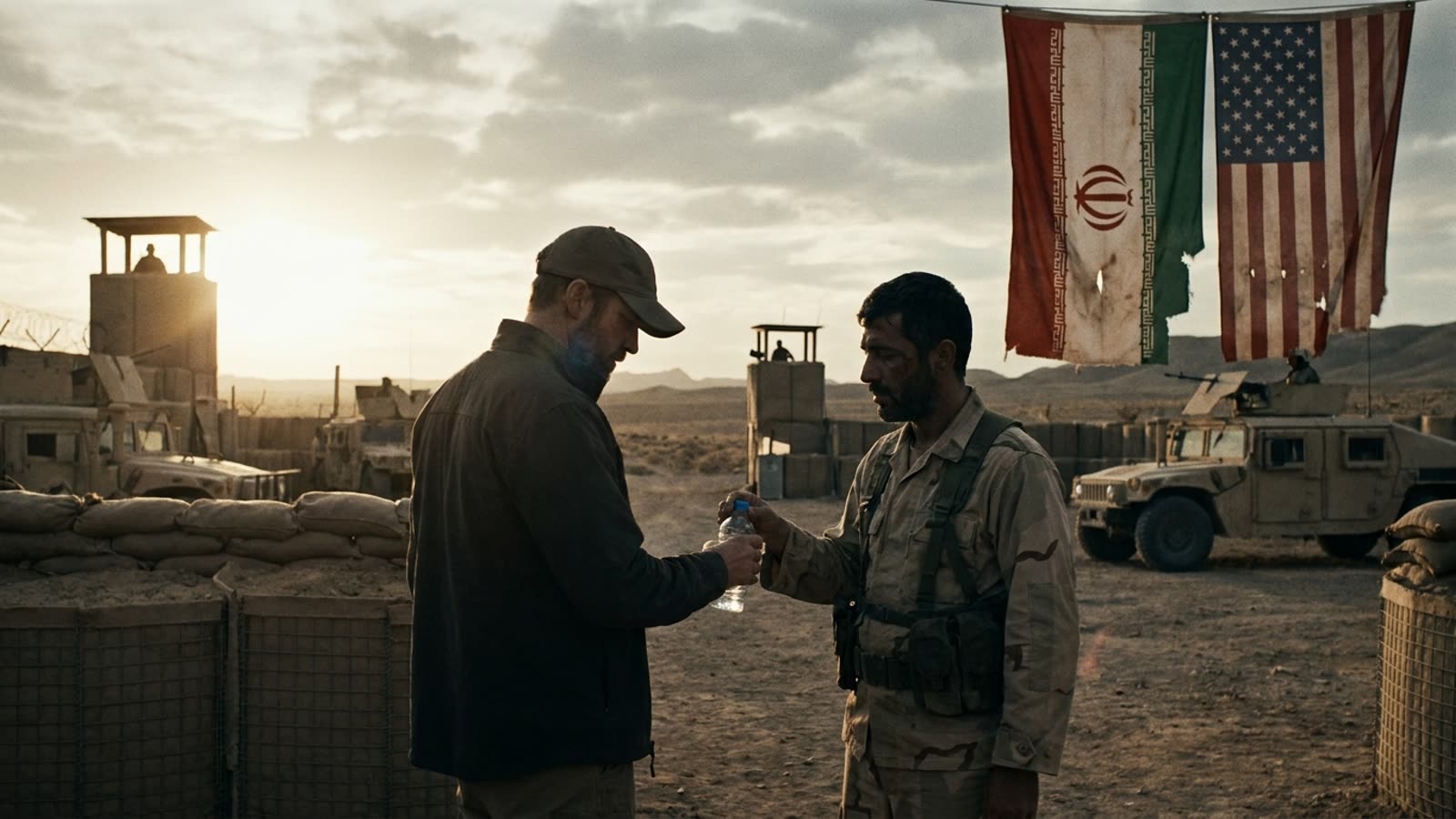
A ceasefire between the United States and Iran now exists on paper, signed by both presidents at the conclusion of the G7 summit in France. The ink is barely dry and the document is already straining under the weight of what it does not say.
The agreement halts active military operations between the two nations following weeks of escalating strikes that depleted American weapons stockpiles and rattled oil markets from Hormuz to Houston. Both governments are framing the deal as a victory, which in diplomatic terms usually means neither got what it wanted.
The architecture of ambiguity
What the ceasefire contains is notable mostly for its flexibility. The document establishes a cessation of hostilities and commits both parties to further negotiations, but it conspicuously avoids the nuclear question that has defined US-Iran tensions for two decades. There are no snapback provisions, no verification mechanisms, no timeline for sanctions relief or reimposition. The agreement reads less like a peace treaty and more like a mutual agreement to stop shooting while both sides reload.
The American president has been characteristically direct about the arrangement's contingent nature, stating publicly that attacks could resume if circumstances warrant. This is not the language of lasting peace. It is the language of a pause button.
The regional calculus
Israel's reaction has been swift and furious. The Netanyahu government, which had positioned itself as America's closest partner in confronting Iranian regional ambitions, now finds itself watching Washington negotiate directly with Tehran. The Israeli right-wing media ecosystem has turned sharply critical, a remarkable shift for outlets that have generally supported American leadership. Netanyahu faces the unenviable task of explaining to his coalition partners why their most important ally just shook hands with their most dangerous adversary.
The Gulf states are performing their own calculations. A US-Iran détente, even a temporary one, reshuffles the regional deck in ways that could diminish their leverage in Washington. Saudi Arabia and the UAE spent years cultivating American dependence on their cooperation against Iranian influence. That investment looks less valuable today.
What depleted stockpiles reveal
The American decision to invoke the Defense Production Act to replenish weapons supplies tells its own story. The Iran conflict, brief as it was, burned through munitions at a rate that caught Pentagon planners off guard. This is not a military that was prepared for sustained high-intensity conflict with a near-peer adversary. The ceasefire may have been driven as much by logistics as by diplomacy.
Our take
This ceasefire is a comma, not a period. Both governments needed an off-ramp and found one, but neither has abandoned its underlying objectives. Iran still wants sanctions relief and regional influence. America still wants to prevent Iranian nuclear capability and contain Tehran's proxy networks. The agreement addresses none of this. What it does is create space—for restocking arsenals, for domestic political maneuvering, for the next crisis to develop. The G7 summit produced a signed document and a photo opportunity. Whether it produced peace remains very much an open question.