The FIFA World Cup trophy is the most watched object in sports, lifted by winners before billions of viewers every four years. Yet the gleaming prize currently on display in North America is not the original — that one was stolen in 1983 and almost certainly melted down by Brazilian thieves. The replacement, designed by Italian sculptor Silvio Gazzaniga, depicts two human figures holding up the Earth and weighs just over six kilograms. It is worth perhaps $20 million in raw materials and craftsmanship. Its symbolic value is incalculable.
The trophy's turbulent biography mirrors the tournament's own complicated relationship with politics, money, and national pride.
The original and its misadventures
The first World Cup trophy, named after FIFA president Jules Rimet, was a winged figure representing Nike, the Greek goddess of victory. Created by French sculptor Abel Lafleur, it debuted at the 1930 Uruguay tournament. During World War II, Italian FIFA vice-president Ottorino Barassi hid the trophy in a shoe box under his bed to prevent Nazi seizure — a story that sounds apocryphal but appears in FIFA's own records.
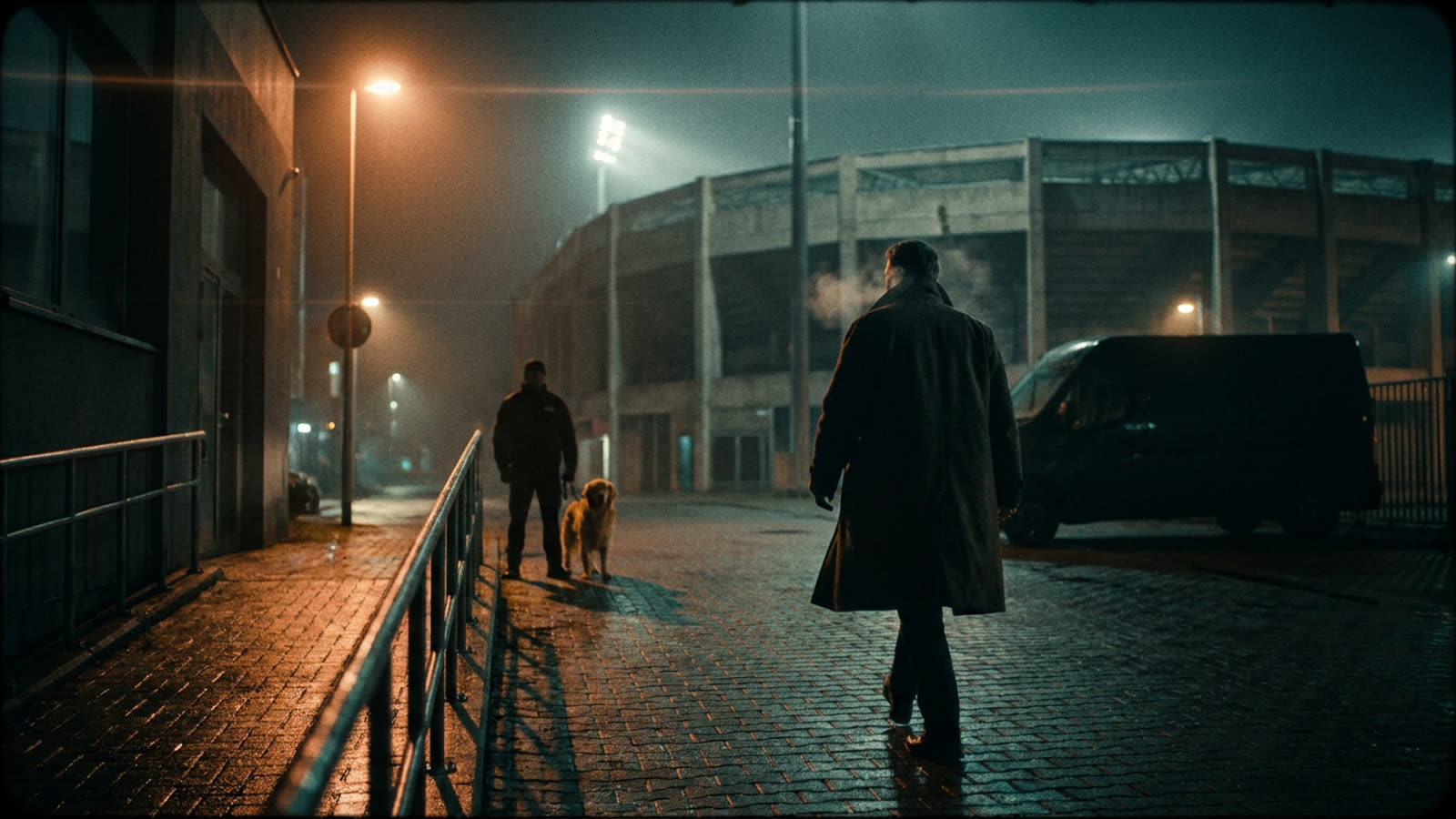
In 1966, the trophy was stolen while on display in London ahead of that year's tournament. Scotland Yard launched a frantic investigation. A week later, a dog named Pickles discovered the trophy wrapped in newspaper under a hedge in South London. Pickles became a national celebrity; his owner received a reward that would be worth several thousand pounds today.
Brazil won the trophy outright in 1970 — their third title earned them permanent possession under the rules of the era. In 1983, thieves stole it from the Brazilian Football Confederation's headquarters in Rio de Janeiro. It has never been recovered. Investigators believe it was melted for gold within days.
The replacement and its restrictions
The current trophy, introduced for the 1974 World Cup, was designed with security partly in mind. FIFA retains permanent ownership; winning nations receive only a gold-plated bronze replica. The authentic trophy leaves FIFA's Swiss vault only for the final ceremony, handled by officials wearing white gloves.
Gazzaniga's design has its critics — some find the two figures generic compared to the Art Deco elegance of the Rimet trophy — but it has accumulated its own mythology over five decades. The base contains enough space for winner engravings through 2038, after which FIFA will presumably commission a third iteration.
Our take
The trophy's history — Nazi occupation, dog detectives, Brazilian heists — is almost too absurd for fiction. FIFA prefers to emphasize the gleaming present rather than the chaotic past, but the story of the cup is inseparable from the story of the tournament itself: grandiose ambitions, political maneuvering, and occasional farce. When the winner lifts it next month, they will be holding not just gold but nearly a century of accumulated drama. The matches may be the product; the trophy is the myth.