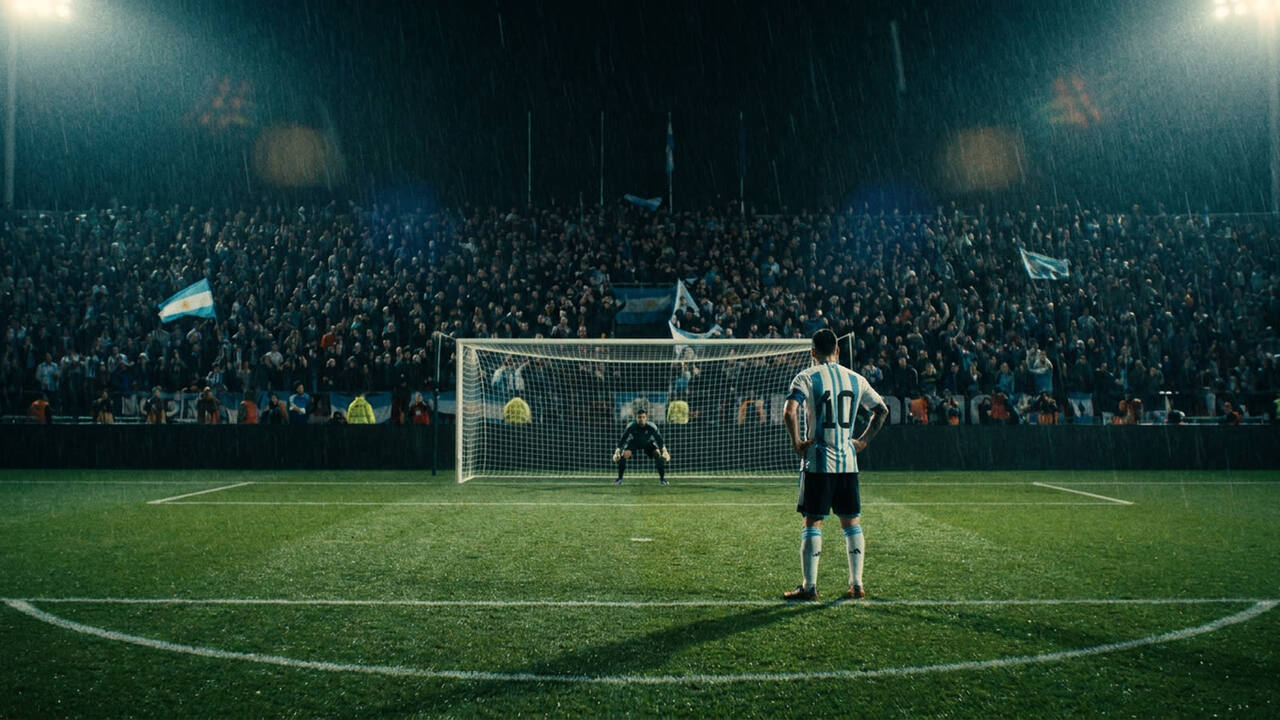
The most consequential design decisions at this World Cup weren't made by coaches drawing up formations—they were made by creative directors in Portland, Herzogenaurach, and Tokyo, sketching necklines and debating pantone swatches. The national team jersey has evolved from functional sportswear into a dense text of cultural signaling, and the 2026 tournament has turned that subtext into screaming headlines.
Consider what's actually happening when a nation unveils its kit. Morocco's away jersey, with its intricate zellige-inspired geometric patterns, isn't just aesthetic flourish—it's a deliberate assertion of Amazigh heritage that would have been politically unthinkable two decades ago. Japan's origami-textured home shirt references both ancient craft tradition and technological precision, a nation pitching itself as the bridge between tradition and futurity. Meanwhile, the United States' minimalist approach—criticized domestically as boring—reads internationally as exactly the kind of confident understatement that European luxury houses deploy when they want to signal they don't need to try.
The economics of identity
The numbers explain the intensity. Nike, Adidas, and Puma collectively spend over $2 billion annually on national team sponsorships, and World Cup years can swing quarterly earnings. A beloved kit design can move eight million units; a poorly received one becomes landfill. But the calculation has grown more complex than pure sales volume. These jerseys now function as soft-power infrastructure, with federations increasingly treating kit reveals as diplomatic events.
Germany's decision to incorporate subtle references to reunification in their sleeve detailing wasn't approved by Adidas alone—it went through the DFB's cultural committee. Saudi Arabia's kit, with its Vision 2030 branding woven into the fabric pattern, is sports merchandise doubling as sovereign wealth fund marketing. The jersey has become too important to leave to designers.
When fashion meets the pitch
The aesthetic convergence with high fashion is now complete. Balenciaga's Demna has consulted on Georgian national team concepts. Wales worked with a London-based studio known for Comme des Garçons collaborations. The old division between sportswear and fashion—one functional, one aspirational—has collapsed entirely. A Nigeria kit can debut at Lagos Fashion Week and sell out within hours, purchased by people who will never watch a match but understand the jersey as a statement piece.
This creates genuine tension. Players want performance fabrics and freedom of movement; marketing wants Instagram moments and cultural resonance. The compromise often pleases neither constituency fully, which is why you see teams training in modified versions of their official kits—the commercial product optimized for one purpose, the functional garment for another.
Our take
There's something faintly absurd about treating polyester shirts as vessels of national meaning, but absurdity doesn't make it less real. The World Cup jersey has become one of the few remaining spaces where mass commercial culture and genuine collective identity still intersect. In an era when national symbols are contested, co-opted, or simply ignored, the kit remains a thing people actually want to wear—a flag you can put on your body without irony. That's worth more than the $150 retail price suggests.