The 2026 World Cup's most consequential innovation may be the one nobody asked for. FIFA's mandatory hydration breaks—three-minute stoppages around the 30th and 75th minutes in matches played above 25°C—were sold as a concession to player safety amid North American summer heat. They have become something else entirely: a coaching clinic disguised as a water break.
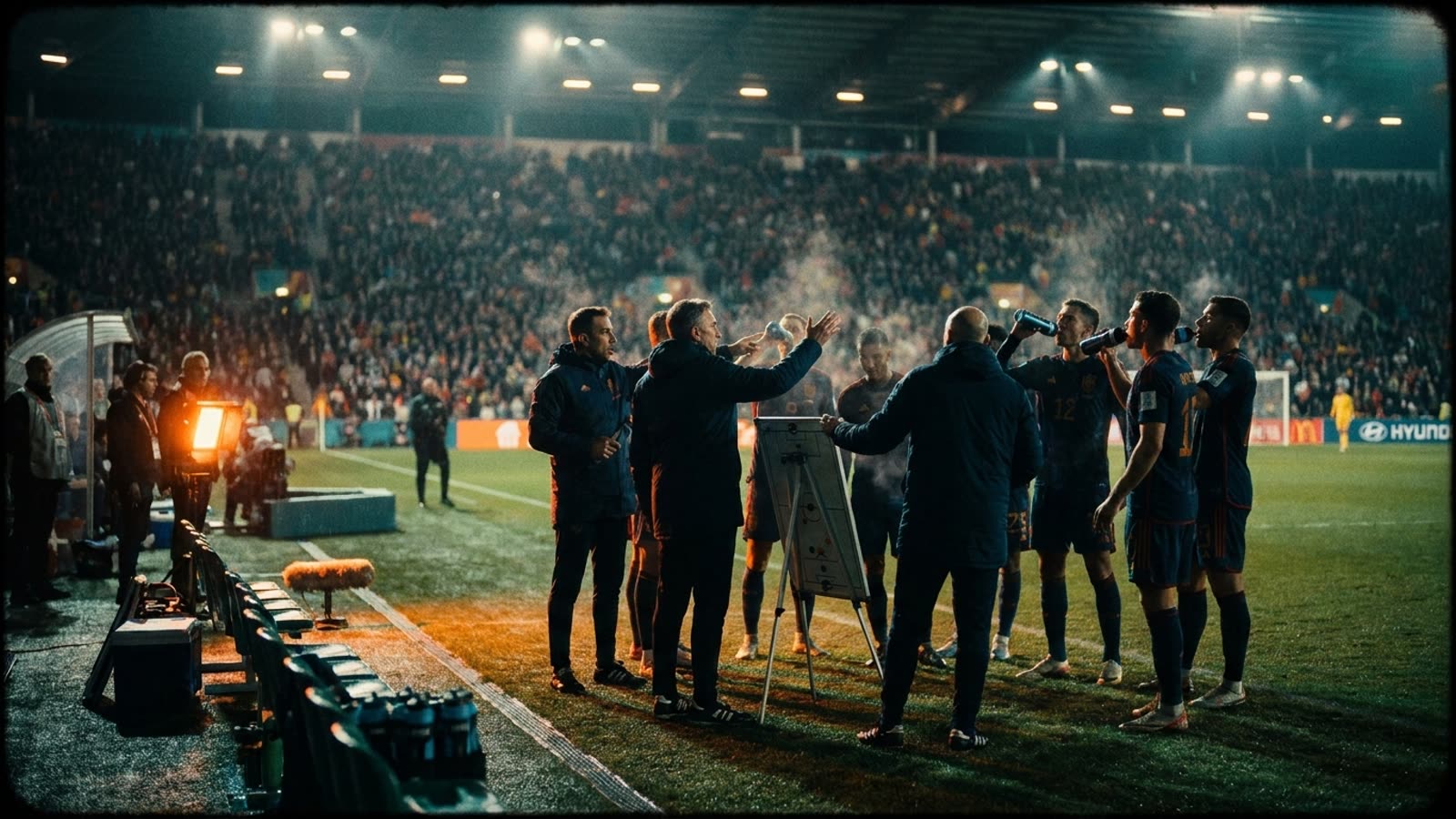
Watch any group-stage match closely and the pattern emerges. The moment the referee's whistle signals a cooling pause, assistant coaches sprint to the touchline with tablets and laminated cards. Players cluster not around ice baths but around tactical boards. Gareth Southgate was spotted during England's opener against Iran delivering what appeared to be a full positional reset. Didier Deschamps used France's break against Senegal to shift Aurélien Tchouaméni into a deeper pivot role—a tweak that preceded two goals in twelve minutes.
The American timeout comes to football
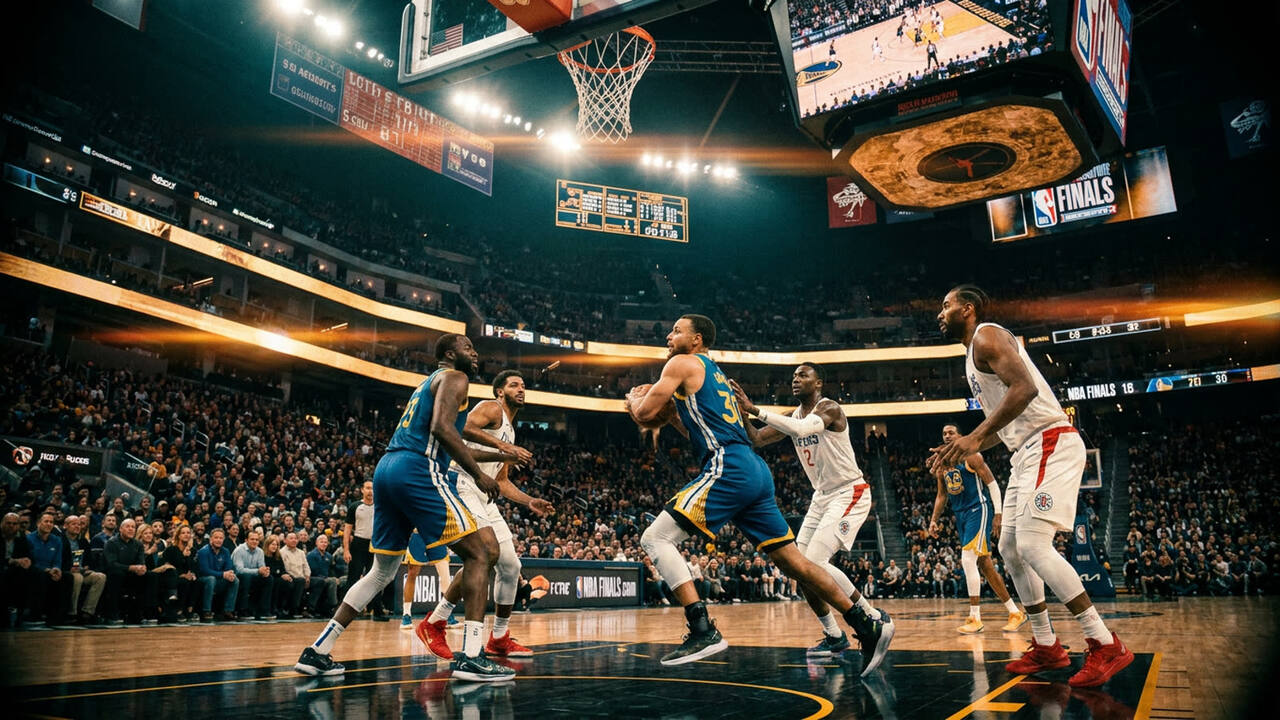
European football has long resisted the structured pauses that define American sports. No TV timeouts, no seventh-inning stretches, no two-minute warnings. The game's continuous flow was a point of pride. But the hydration break has smuggled in something resembling an NBA timeout without triggering the usual purist backlash—because it carries the unimpeachable label of player welfare.
The tactical utility is undeniable. In a sport where in-game adjustments traditionally happen through shouted instructions and halftime talks, a guaranteed three-minute pause with full squad access is transformative. Teams with sophisticated analytics operations—England, Germany, the United States—have reportedly prepared specific "break protocols" with pre-planned tactical packages keyed to different game states.
The equity question nobody is asking
Not every federation arrives in North America with a data-science department and a fleet of performance analysts. For smaller nations, the hydration break may actually widen the gap. A coach with three assistants and no live data feed uses those three minutes to distribute water bottles. A coach with a twelve-person technical staff uses them to recalibrate pressing triggers based on GPS heat maps.
FIFA's own research suggested breaks would reduce soft-tissue injuries by up to 15 percent in high-temperature matches. That may prove true. But the governing body did not model for the secondary effect: that rest periods would become a competitive advantage for the already advantaged.
Our take
The hydration break is here to stay, and football will absorb it the way it absorbed VAR—grudgingly, then completely. The sport's traditionalists will mourn another erosion of continuous play. But the smarter observation is that FIFA accidentally created something valuable: a structured moment for coaching to matter more. In a game increasingly dominated by individual brilliance and transfer-market spending, that is not obviously a bad thing. The best-prepared teams should win more often. Whether that is fair depends on how you define the word.