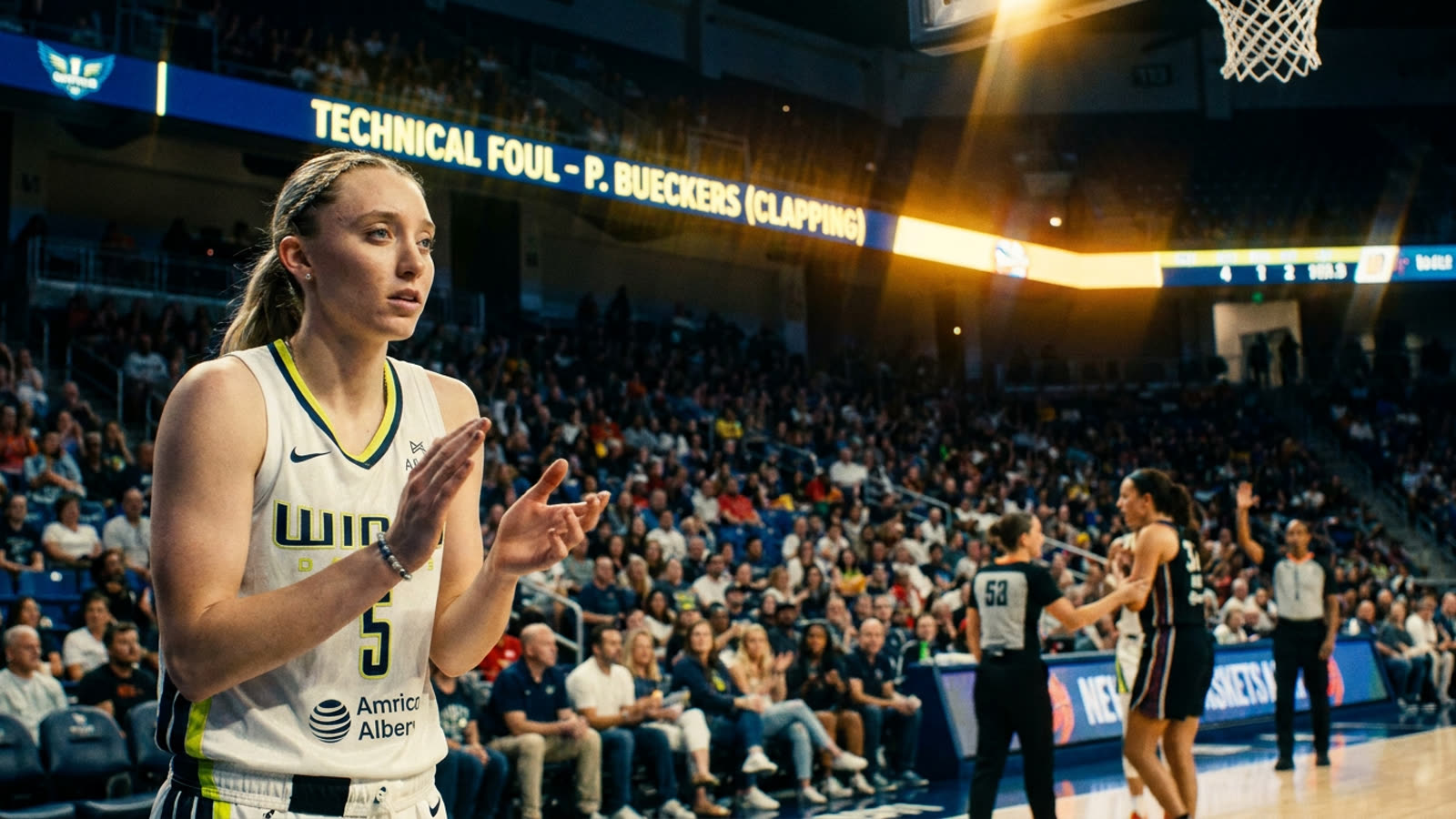
The WNBA admitted it got one wrong. Paige Bueckers, the Connecticut Sun rookie who entered the league as the most hyped prospect since Caitlin Clark, was assessed a technical foul for clapping during a game — a call so bewildering that the league office moved swiftly to rescind it. The fine evaporates, the stat line is corrected, and everyone moves on. Except the underlying issue does not.
The Bueckers technical was not an isolated incident of referee overreach; it was the latest data point in a pattern that has plagued the WNBA as it navigates its most consequential growth period. The league has doubled its audience, secured a landmark media rights deal, and welcomed a generation of players who command genuine celebrity. What it has not done is modernize an officiating corps that often appears overwhelmed by the intensity of the product it is meant to govern.
The optics problem
Bueckers is not just any rookie. She is the face of the WNBA's future, a player whose college career at UConn generated the kind of sustained national attention the league has craved for decades. Hitting her with a technical for clapping — an act so innocuous that even the most conservative interpretation of the rulebook struggles to justify it — creates a viral moment for all the wrong reasons. The league recognized this immediately, which is why the rescission came with unusual speed. But speed does not equal prevention.
The WNBA has a star problem, and not the kind leagues usually complain about. It has too many stars drawing too much scrutiny to a referee infrastructure that was built for a smaller, less-watched product. Every questionable call now lives forever on social media, dissected by millions who would not have noticed five years ago.
The structural gap
Part of the issue is resources. The WNBA's officiating budget, while growing, still lags behind the NBA's investment in referee training, replay technology, and in-season evaluation. Part of it is culture. The league has historically tolerated a more interventionist officiating style, quick to assess technicals for displays of emotion that would barely register in other professional sports. That approach made a certain sense when games were sparsely attended and national broadcasts rare. It makes considerably less sense when your rookie sensation is trending on X for getting whistled for applauding.
The league's competition committee has discussed officiating standards, and commissioner Cathy Engelbert has acknowledged the need for improvement. But acknowledgment is not reform. The WNBA needs to decide whether it wants referees who manage games or referees who police them.
Our take
Rescinding the call was the right move, but it was also the easy one. The harder work is ensuring that calls this absurd never happen in the first place. The WNBA has spent years building toward this moment of mainstream relevance. It would be a shame to let that momentum be undermined by officials who have not received the same upgrade.