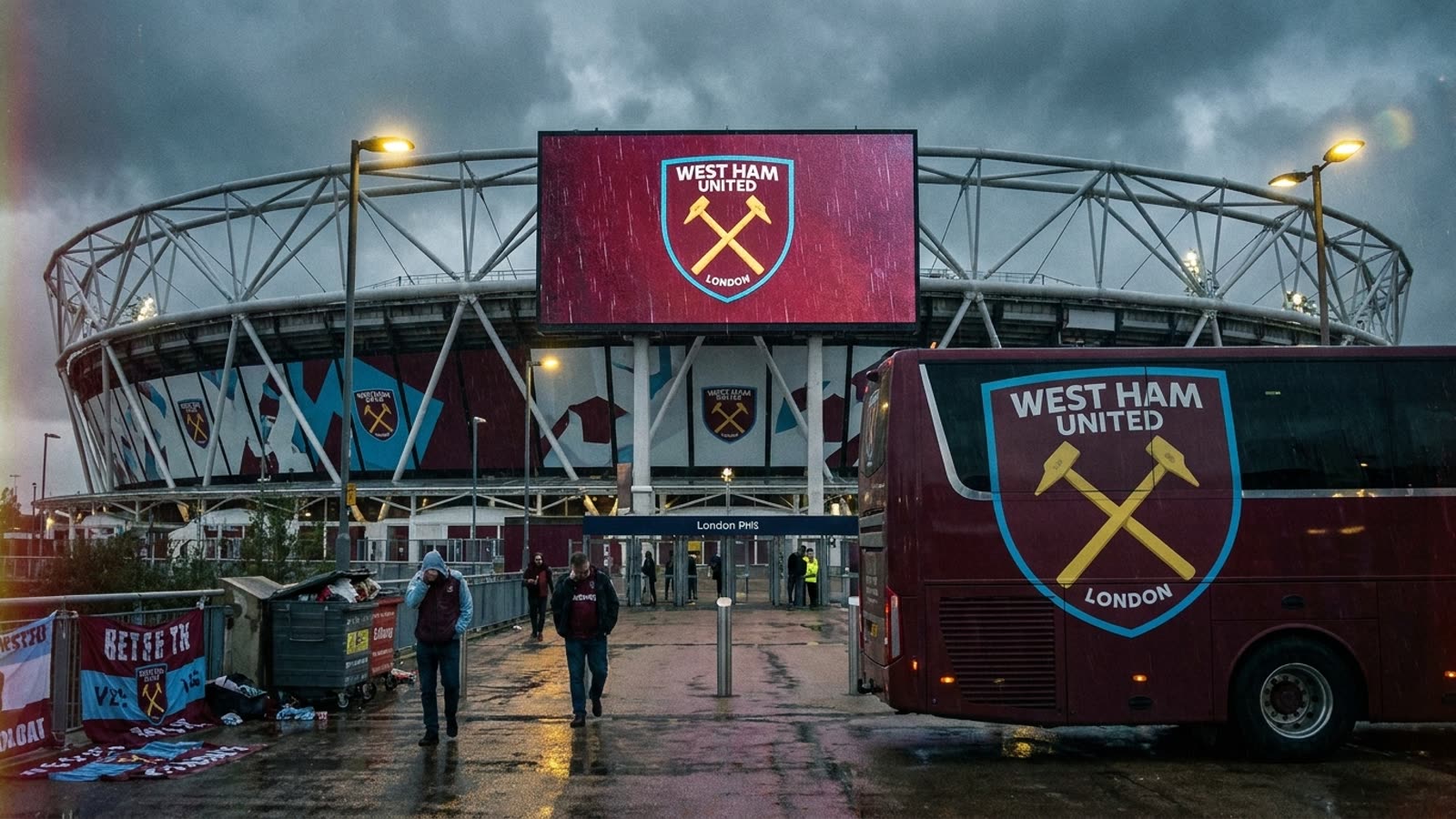
The Premier League's final matchday is engineered for drama, but rarely does it deliver quite so brutally for a single city. West Ham United, a club that reached a European final just three years ago, have been relegated from the top flight. Tottenham Hotspur, their North London neighbors, survived — though "survived" may be too generous a term for a season that will haunt the club's hierarchy for years.
West Ham's descent has been telegraphed since winter, when a disastrous January transfer window failed to address a porous defense and an attack that stopped functioning sometime around November. The Hammers finished with 28 points, their lowest total since returning to the Premier League in 2012. The financial implications are staggering: estimates suggest relegation will cost the club upwards of £100 million in lost broadcast revenue alone, with parachute payments only partially softening the blow.
Tottenham's hollow escape
Spurs' survival on the final day required results elsewhere to fall their way, a humiliating position for a club that finished fourth just two seasons ago. The rot set in early — three managers in a single campaign, a transfer strategy that prioritized resale value over squad coherence, and a wage bill bloated by players who never adapted to the Premier League's intensity. Staying up feels less like relief than a stay of execution.
The contrast with the clubs around them is instructive. Brighton, operating on a fraction of Tottenham's budget, finished comfortably mid-table with a coherent playing identity. Brentford, promoted the same year West Ham reached their European zenith, have built sustainable success through smart recruitment. Both London giants chose different paths — and both paths led to humiliation.
What relegation means for the Hammers
West Ham's drop carries consequences beyond the balance sheet. The London Stadium, already a symbol of the club's awkward transition from Upton Park, will host Championship football next season. Key players will demand exits; the club's wage structure, built for top-flight competition, becomes untenable in the second tier. History suggests immediate promotion is far from guaranteed — Sunderland, Sheffield Wednesday, and countless others have discovered that the Championship does not simply hand tickets back to fallen giants.
Our take
English football's financial stratification was supposed to protect clubs like West Ham and Tottenham from exactly this fate. Television money, global fanbases, and London's commercial advantages should have insulated them from the drop. Instead, both clubs proved that incompetent leadership can squander any advantage. West Ham's relegation is a tragedy of mismanagement; Tottenham's survival is merely its postponement.