The maître d' at a three-star restaurant in Paris recently confessed to a colleague that he had stopped enforcing the jacket requirement. Not officially—the website still mentions it—but in practice, he waves through men in expensive sneakers and untucked shirts because turning them away would mean turning away money. The dining room, he noted with resignation, now looks like a business-class lounge.
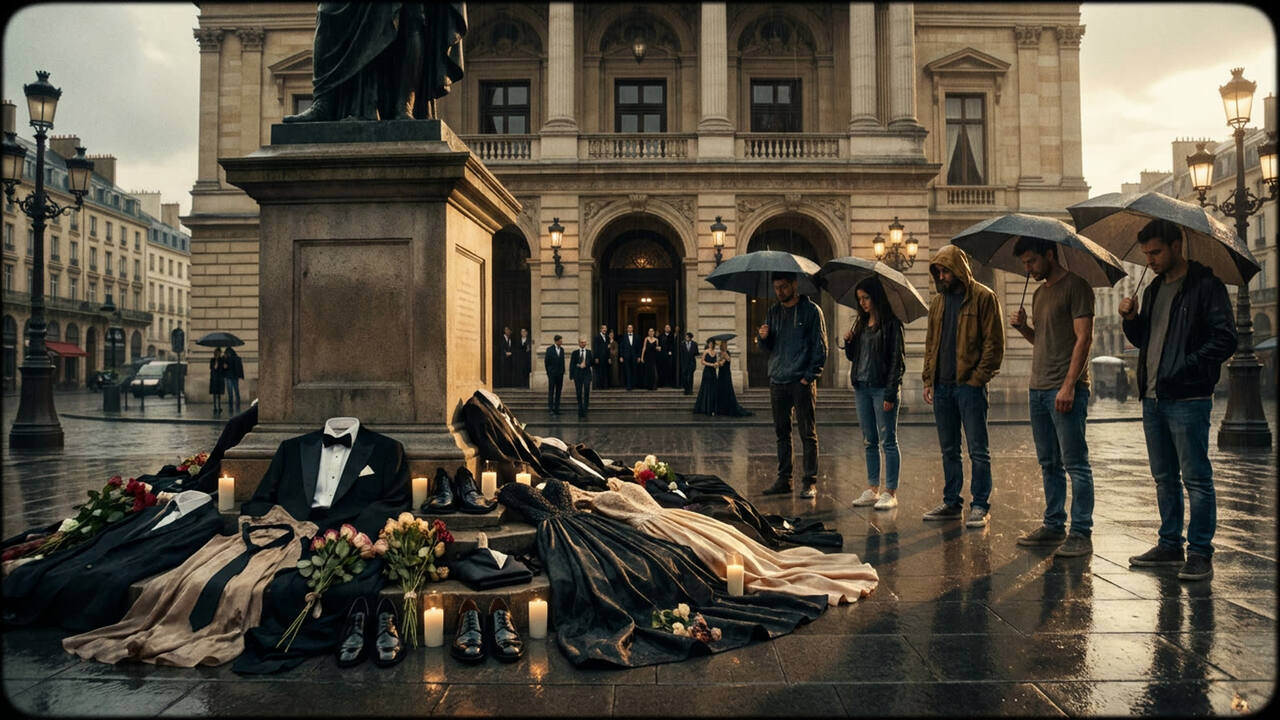
This quiet surrender is happening everywhere formality once held ground. Opera houses that once refused entry to the tieless now seat audiences in athleisure. Private clubs founded on the principle of sartorial standards have relaxed into "smart casual," a phrase so elastic it means almost nothing. The tuxedo, that great equalizer of men's evening dress, appears at fewer weddings each year. We have not simply become more comfortable; we have collectively decided that dressing up is, at best, optional and, at worst, pretentious.
The economics of accommodation
The practical explanation is straightforward: businesses cannot afford to alienate customers who have money but no patience for codes. When a tech founder worth nine figures shows up in a hoodie, the restaurant faces a choice between principle and revenue. Revenue wins. The same calculus applies to theaters, hotels, and members' clubs competing for a wealthy clientele that views dress codes as antiquated gatekeeping rather than shared ritual.
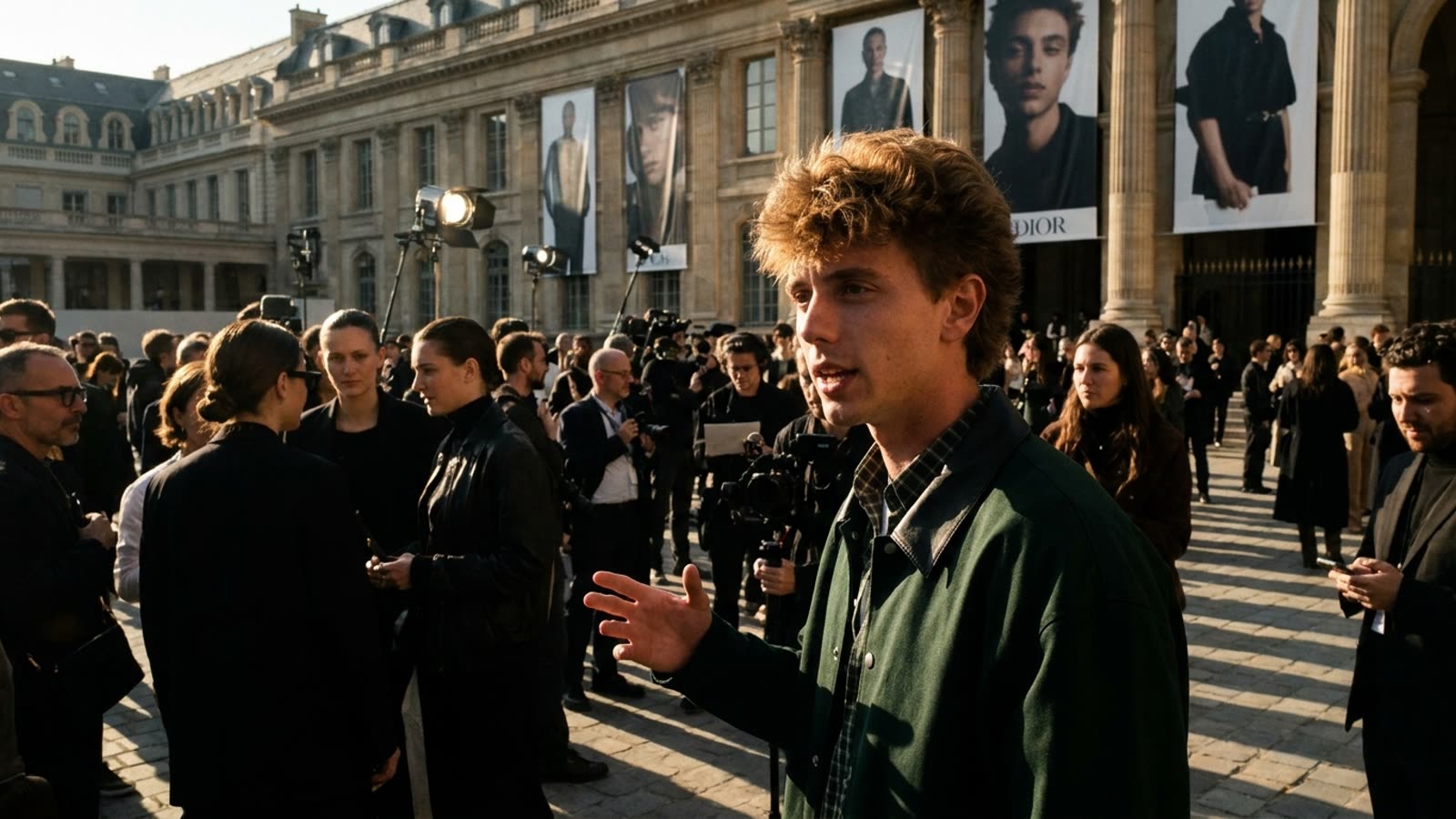
Luxury brands have adapted accordingly. The growth categories in menswear are not tailoring but sneakers, outerwear, and what the industry calls "elevated casual"—expensive clothes designed to look effortless. The suit, once the uniform of power, has become a costume for specific occasions: court appearances, funerals, certain conservative industries. Even banking, that last redoubt of the necktie, has largely surrendered.
What we lost when we loosened up
The case for dress codes was never purely aesthetic. Formality created a kind of social commons, a shared understanding that certain spaces deserved a different version of ourselves. Dressing for the opera was not about impressing strangers; it was about marking the experience as distinct from ordinary life. The effort signaled that you took the occasion seriously, that you were willing to be slightly uncomfortable in service of something larger than personal convenience.
Critics of this view argue, reasonably, that dress codes were often tools of exclusion—ways to keep out those who could not afford the right clothes or did not know the unwritten rules. There is truth in this. But the solution of abolishing all standards has its own costs. When everywhere is casual, nowhere is special. The restaurant becomes indistinguishable from the airport lounge, the theater from the living room.
The persistence of costume
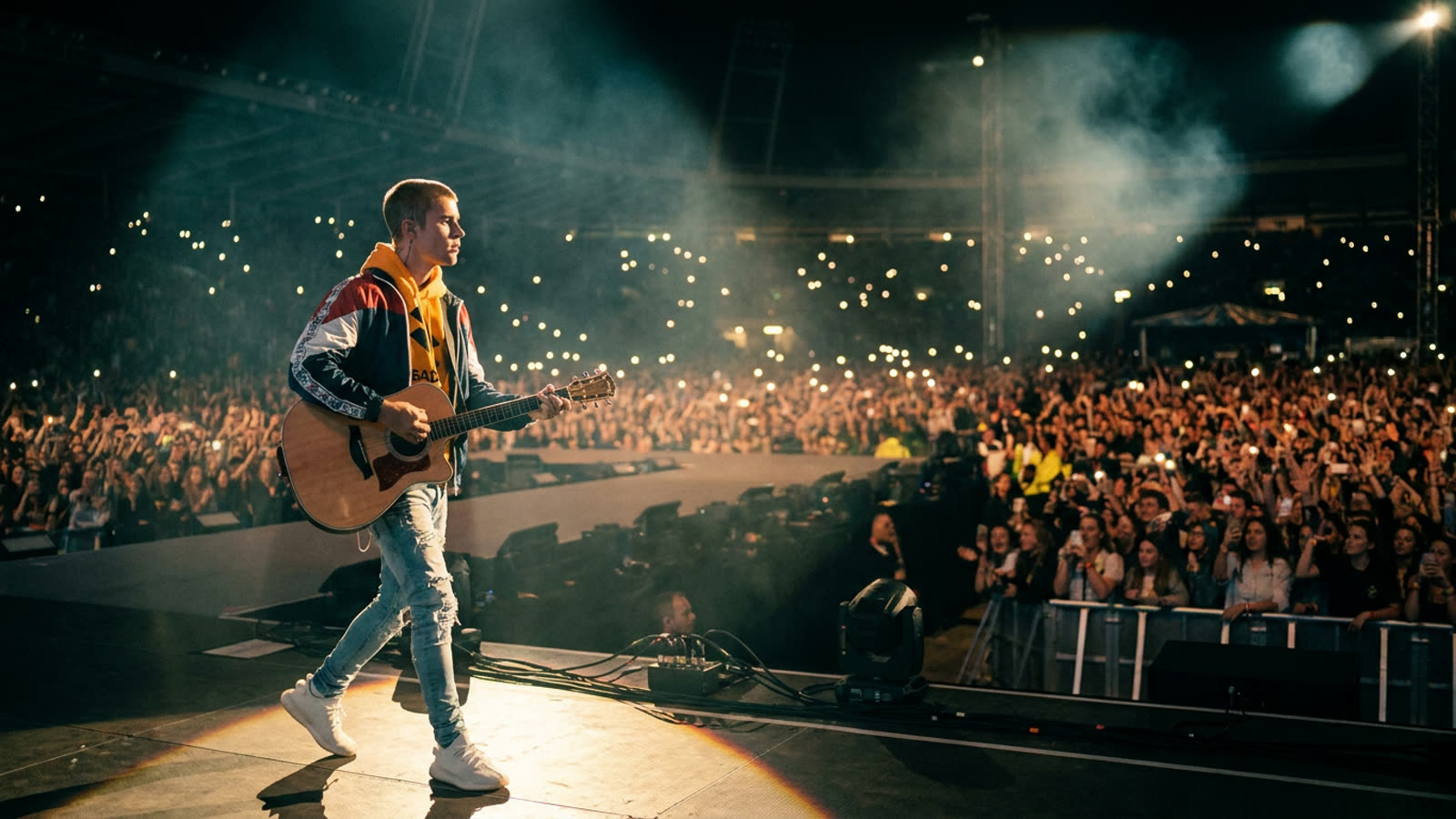
Curiously, formality has not disappeared entirely—it has migrated. Music festivals have elaborate dress codes, enforced not by management but by social expectation. Sneaker culture has its own rigid hierarchies of acceptable and unacceptable. The effort that once went into selecting a dinner jacket now goes into curating an Instagram-ready outfit for a rooftop bar. We still costume ourselves; we have simply relocated the performance from institutions to individuals.
This suggests that the human appetite for occasion-marking remains intact. What has changed is who controls the script. The old dress codes were imposed from above, by establishments with the authority to dictate terms. The new codes emerge from below, from subcultures and social platforms, and they shift constantly. The result is a world where dressing up feels performative in the wrong way—like seeking attention rather than honoring tradition.
Our take
The death of dressing for dinner is not a tragedy, but it is a loss. Something valuable disappears when we optimize entirely for comfort and individual expression, when we decide that no occasion merits the small sacrifice of a collar or a heel. The best argument for formality was never snobbery; it was the idea that some experiences deserve to feel different from scrolling through your phone on the couch. We have gained convenience and lost a little magic. Whether the trade was worth it depends on how much you believe that how we present ourselves shapes how we experience the world.